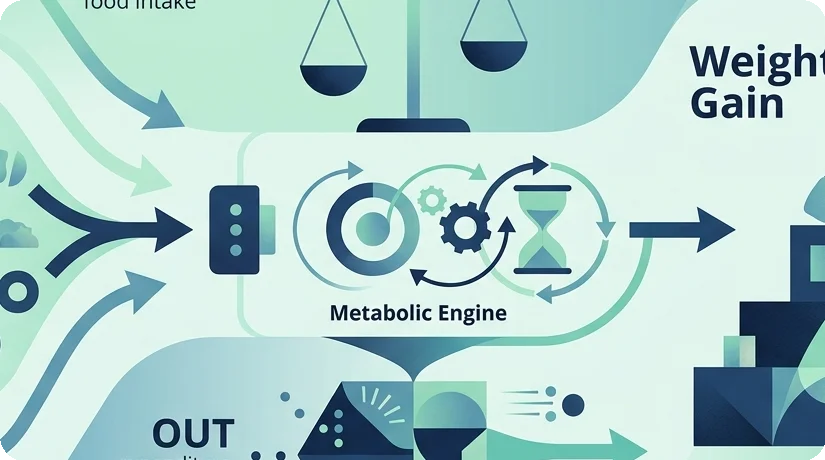
If you're asking "why do I gain weight so fast," you're not alone. Rapid weight gain often stems from a complex interplay of factors including caloric surplus, increased water retention due to diet or hormonal fluctuations, medication side effects, and lifestyle changes like stress or poor sleep. It's important to understand that not all rapid weight gain signifies immediate fat accumulation; distinguishing between actual fat gain and temporary fluctuations is key, as rapid increases can often be attributed to water retention and weight gain, which is a common, non-fat-related cause.
What Role Does Caloric Intake Play in Rapid Weight Gain?
At its core, weight gain, particularly fat gain, occurs when you consistently consume more calories than your body burns – a state known as a caloric surplus. While gradual weight gain accumulates over time, rapid increases can happen when this surplus is significant and sustained, even for a short period. To effectively manage this, understanding and implementing sustainable calorie deficit strategies is paramount for long-term success. For example, a weekend of indulging in calorie-dense foods, sugary drinks, and larger portions can quickly add up. Many people underestimate their caloric intake, especially when consuming highly processed foods that are engineered to be hyper-palatable and less satiating, leading to overeating without realizing it.
- Hidden Calories: Beverages like sodas, juices, and specialty coffees can add hundreds of calories without making you feel full.
- Portion Distortion: Restaurant meals often serve portions far larger than a single serving, contributing to excess calorie intake.
- Processed Foods: Foods high in added sugars, unhealthy fats, and refined grains are typically calorie-dense and low in nutrients, making it easy to consume more.
Understanding your typical caloric intake and identifying areas where you might be in a significant surplus is a crucial first step. Complementing caloric awareness with a collection of healthy weight loss recipes can empower you to make informed food choices and reduce the likelihood of unintentional overeating. Tools like AI Weight Coach can help you track your food intake and identify patterns that might be contributing to rapid weight gain, offering personalized insights to guide healthier choices.
How Does Water Retention Contribute to Sudden Weight Increases?
Often, what appears to be rapid weight gain is actually an increase in body fluid, or water retention. Your body's water content can fluctuate by several pounds throughout the day and week, influenced by various factors:
- Sodium Intake: Consuming high-sodium foods causes your body to retain more water to maintain a balanced concentration of electrolytes. A single high-sodium meal can lead to a noticeable jump on the scale the next day.
- Carbohydrate Consumption: When you eat carbohydrates, your body stores them as glycogen in your muscles and liver. For every gram of glycogen stored, your body stores approximately 3-4 grams of water. A sudden increase in carb intake can therefore lead to significant water weight.
- Hormonal Fluctuations: For women, hormonal shifts during the menstrual cycle (premenstrual syndrome), pregnancy, or menopause can cause increased water retention and bloating. Conditions like Polycystic Ovary Syndrome (PCOS) can also contribute to fluid retention.
- Stress: When you're stressed, your body releases cortisol, a hormone that can affect fluid balance and lead to water retention.
These fluctuations are temporary and usually resolve once the underlying cause is addressed. Focusing on balanced nutrition and adequate hydration can help manage water retention.
Can Hormones and Medical Conditions Cause Quick Weight Gain?
Beyond diet and water retention, certain medical conditions, hormonal imbalances, and medications can significantly contribute to rapid weight gain. If you suspect these might be factors, it's essential to consult a healthcare professional for an accurate diagnosis and appropriate management.
Common Medical Causes:
- Hypothyroidism: An underactive thyroid gland doesn't produce enough thyroid hormones, which regulate metabolism. This can lead to a slower metabolism and weight gain.
- Polycystic Ovary Syndrome (PCOS): This common hormonal disorder in women can lead to insulin resistance, making it harder to lose weight and easier to gain it.
- Cushing's Syndrome: Caused by prolonged exposure to high levels of cortisol, Cushing's syndrome can lead to rapid weight gain, particularly in the face, neck, and trunk.
Medications That Can Cause Weight Gain:
- Corticosteroids: Medications like prednisone can cause increased appetite, fluid retention, and changes in metabolism.
- Antidepressants: Certain types of antidepressants are known to cause weight gain in some individuals.
- Diabetes Medications: Some medications for diabetes can lead to weight gain.
If you're experiencing rapid, unexplained weight gain and are taking medication, or have other symptoms, discussing this with your doctor is paramount. Never adjust medication dosages without professional medical advice.
Are Lifestyle Factors Making You Gain Weight Rapidly?
Your daily habits and environment play a profound role in your weight. Subtle shifts in lifestyle can quickly manifest as weight gain, sometimes without you even noticing the changes until they're reflected on the scale.
- Sleep Deprivation: Insufficient sleep disrupts hormones that regulate appetite, leading to increased hunger and cravings for high-calorie foods. It also reduces energy expenditure.
- Increased Stress: Chronic stress not only elevates cortisol, promoting fat storage, but can also lead to emotional eating as a coping mechanism. Incorporating stress-reducing workouts into your routine can help mitigate weight gain linked to stress and hormonal imbalances, promoting overall well-being.
- Lack of Physical Activity: A sudden decrease in activity level (e.g., due to injury, a new sedentary job) means your body is burning fewer calories, making it easier to be in a caloric surplus.
- Environmental Changes: Shifts in your social circle, work environment, or access to food can subtly influence your dietary choices and activity levels.
Recognizing and addressing these lifestyle factors is often key to preventing and reversing rapid weight gain. Small, consistent changes can make a big difference over time.
How Can AI Weight Coach Help You Understand and Manage Weight Fluctuations?
Understanding why you're gaining weight fast can feel overwhelming, but tools and support can make a significant difference. AI Weight Coach offers a comprehensive approach to help you identify the root causes of rapid weight changes and implement sustainable strategies for healthy weight management.
- Personalized Tracking: Log your food intake, activity levels, and even mood to spot patterns linking your habits to weight fluctuations. AI Weight Coach uses this data to provide insights tailored to you.
- Nutritional Guidance: Get access to evidence-based advice on balanced nutrition, portion control, and healthier food choices, helping you avoid caloric surpluses and manage water retention through diet.
- Behavioral Support: Develop strategies to address emotional eating, stress management, and improve sleep, tackling key lifestyle factors that contribute to weight gain.
By providing data-driven insights and personalized coaching, AI Weight Coach empowers you to take control of your weight journey, fostering understanding and sustainable habits rather than quick fixes.
Key Takeaways for Addressing Rapid Weight Gain
Experiencing rapid weight gain can be frustrating, but understanding the potential causes is the first step toward effective management. It's often a combination of factors, not just one simple cause.
- Assess Your Diet: Are you unknowingly in a caloric surplus? Are you consuming high-sodium or high-carb foods frequently?
- Consider Water Retention: Are recent weight gains linked to salty meals, increased carb intake, or hormonal shifts?
- Review Medications & Health: Discuss any rapid, unexplained weight gain with your doctor, especially if you're on new medications or have other symptoms.
- Evaluate Lifestyle: How are your sleep, stress levels, and physical activity?
- Seek Support: Utilize resources like AI Weight Coach to gain insights and build sustainable healthy habits.
Remember, sustainable weight management is a journey of understanding your body and making informed choices. With patience and the right approach, you can identify and address the reasons behind rapid weight gain and work towards a healthier, more stable weight.
Disclaimer: The information provided in this blog post is for educational purposes only and is not intended as medical advice. Always consult with a qualified healthcare professional before making any decisions related to your health or starting any new diet or exercise program.