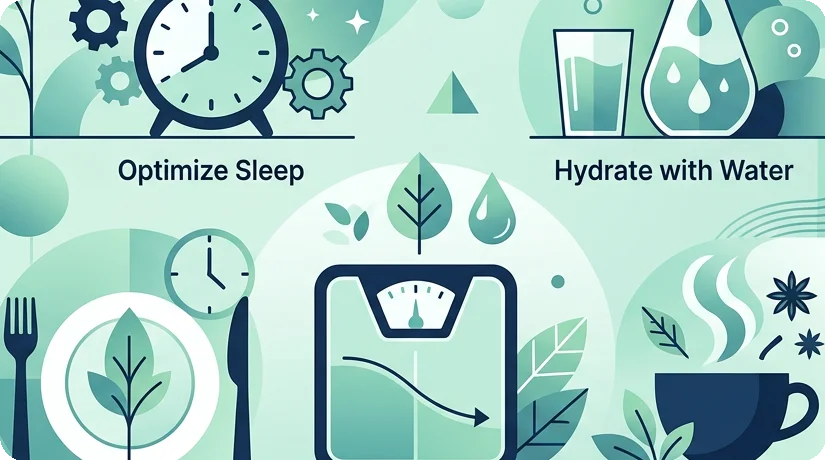
Many people dream of achieving their weight loss goals without the perceived drudgery of intense workouts or the deprivation of a strict “diet.” The good news is, you absolutely can make significant progress towards a healthier weight by focusing on sustainable habit changes rather than restrictive eating plans or grueling exercise routines. This approach prioritizes understanding your body and making gradual, impactful shifts in your daily life.
Can You Really Lose Weight Without Strict Diets or Formal Exercise?
Yes, you absolutely can. The key lies in redefining what “diet” and “exercise” mean. Instead of thinking of a restrictive eating plan, consider adopting healthier eating habits. And rather than formal workouts, focus on increasing your overall daily movement. Weight management is fundamentally about creating a sustainable calorie deficit over time, which can be achieved through various means beyond just hitting the gym or severely cutting food groups.
Successful, lasting weight loss often comes from small, consistent changes that become ingrained in your lifestyle. These adjustments can impact your energy balance – the relationship between calories consumed and calories burned – without you ever feeling like you're on a diet or exercising.
Shifting Your Eating Habits (Without “Dieting”)
Changing how you approach food is paramount. This isn't about deprivation, but about smarter choices and better habits.
Focus on Satiety and Nutrient Density
- Prioritize Protein: Prioritizing dietary protein is a powerful strategy for weight loss, as it enhances satiety (helping you feel fuller for longer), preserves muscle mass, and has a higher thermic effect compared to fats or carbohydrates, aligning with smarter food choices. Include lean proteins like chicken, fish, eggs, beans, and lentils in your meals.
- Embrace Fiber: Fiber-rich foods (fruits, vegetables, whole grains) add bulk to your meals, aiding digestion and promoting fullness, often with fewer calories.
- Choose Whole Foods: Minimize ultra-processed foods, which are often calorie-dense and nutrient-poor. Opt for whole, unprocessed ingredients that nourish your body.
Master Mindful Eating
Mastering mindful eating practices can help you tune into your body's hunger and fullness cues, preventing overeating and fostering a healthier relationship with food without strict calorie counting. This involves:
- Slow Down: Eating slowly allows your body to register fullness cues, preventing overeating.
- Pay Attention: Put away distractions (phones, TV) and focus on the taste, texture, and smell of your food.
- Listen to Your Body: Eat when you're hungry, stop when you're satisfied, not stuffed.
Hydration is Key
- Drink Water Before Meals: Sometimes thirst is mistaken for hunger. A glass of water before eating can reduce your overall intake.
- Replace Sugary Drinks: Sodas, juices, and sweetened coffees contribute significant empty calories. Switching to water, unsweetened tea, or sparkling water can make a huge difference.
Smart Portion Control
You don't need to meticulously count every calorie, but becoming aware of appropriate portion sizes can be highly effective. Use smaller plates, measure out high-calorie foods (like nuts or oils), and understand what a true serving looks like. AI Weight Coach can be particularly helpful here, offering guidance on portion sizes and nutrient balance without requiring strict tracking, simply by logging your meals.
Strategic Snacking
If you need to snack, choose options that are satisfying and nutrient-dense, like a piece of fruit with a handful of nuts, Greek yogurt, or vegetable sticks with hummus. Avoid highly processed, sugary, or fried snacks.
Boosting Activity Levels (Without “Exercise”)
You don’t need a gym membership to burn more calories. Focus on Non-Exercise Activity Thermogenesis (NEAT).
Harnessing NEAT (Non-Exercise Activity Thermogenesis)
Boosting your Non-Exercise Activity Thermogenesis (NEAT) involves making small, consistent increases in daily movement, such as taking the stairs or walking more, which contributes significantly to calorie expenditure over time. NEAT refers to the energy expended for everything we do that is not sleeping, eating, or sports-like exercise. It includes walking to work, typing, gardening, fidgeting, and even standing. Small increases in NEAT throughout your day can add up significantly.
Small Movements Add Up
- Walk More: Take the stairs instead of the elevator, park further away, walk during phone calls, or take a short stroll during your lunch break.
- Stand Up: If you have a sedentary job, aim to stand up and move around for a few minutes every hour. Consider a standing desk.
- Fidgeting: Believe it or not, even unconscious movements like tapping your foot or shifting in your chair contribute to NEAT.
Integrate Movement into Your Day
Think about how you can be more active in your daily routines:
- Do household chores more vigorously (gardening, cleaning).
- Engage in active hobbies (walking, dancing, playing with pets or children).
- Walk to run errands if distances allow.
The Unseen Pillars of Weight Management: Sleep and Stress
Often overlooked, these two factors play a profound role in your ability to manage weight.
Prioritize Quality Sleep
Addressing poor sleep habits is crucial for weight management, as inadequate rest can disrupt hormones that regulate appetite and metabolism, making weight loss more challenging. When you're sleep-deprived, your body produces more ghrelin (the hunger hormone) and less leptin (the satiety hormone), leading to increased cravings, especially for high-calorie, sugary foods. Aim for 7-9 hours of quality sleep per night to support hormonal balance and better decision-making around food.
Manage Stress Effectively
Chronic stress triggers the release of cortisol, a hormone that can promote fat storage, especially around the abdomen. Stress also often leads to emotional eating or seeking comfort foods. Incorporate stress-reduction techniques into your daily life:
- Mindfulness and meditation
- Deep breathing exercises
- Gentle stretching or yoga
- Spending time in nature
- Engaging in hobbies you enjoy
Optimizing Your Environment for Success
Your surroundings significantly influence your choices. Make your environment work for you, not against you.
Declutter Your Kitchen and Pantry
Remove tempting, highly processed foods that undermine your goals. If it's not in the house, you can't eat it. Replace them with healthier alternatives like fruits, vegetables, nuts, and whole grains.
Meal Prep for Convenience
Having healthy meals and snacks readily available makes it much easier to stick to your goals when hunger strikes. Dedicate some time each week to prepare ingredients or full meals.
Seek Support
You don't have to go it alone. Share your goals with a supportive friend or family member. Consider leveraging tools like AI Weight Coach, which provides personalized guidance, tracking features, and behavioral strategies to help you implement and maintain these habit changes effectively.
The Bottom Line
Losing weight without traditional exercise or strict dieting is entirely achievable by focusing on consistent, sustainable lifestyle modifications. By prioritizing mindful eating, increasing your daily non-exercise activity, optimizing sleep, and managing stress, you create a foundation for lasting health and weight management. Patience and consistency are your greatest allies on this journey.
Disclaimer: This article provides general information and is not a substitute for professional medical advice. Always consult with a healthcare provider before making significant changes to your diet or lifestyle, especially if you have underlying health conditions.