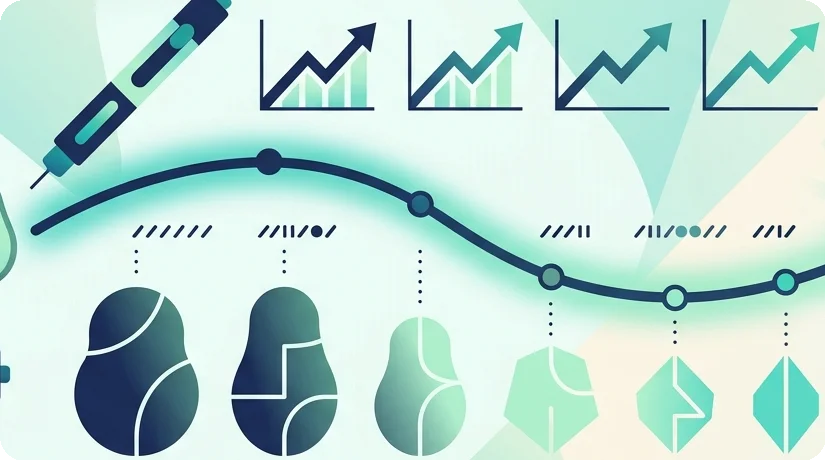
Understanding the timeline for weight loss when using a medication like Mounjaro (tirzepatide) is a common and important question. While individual results can vary significantly due to a multitude of factors, many people begin to observe noticeable weight loss within the first few weeks or months of starting treatment, with more substantial and sustained results typically appearing over a period of several months to over a year. Clinical studies have shown significant average weight reductions over an extended period when used alongside lifestyle interventions.
What Factors Influence Weight Loss Speed on GLP-1 Medications?
The rate and total amount of weight loss achieved with any weight management strategy, including prescription medications, is highly individual. Several key factors play a crucial role in determining how quickly and effectively someone might lose weight:
Starting Weight and Body Composition
- Higher Initial BMI: Individuals starting with a higher body mass index (BMI) often experience a more rapid initial weight loss. This is partly because there is more weight to lose, and a percentage-based loss translates to a larger absolute number.
- Lean Muscle Mass: Body composition, specifically the ratio of muscle to fat, can also influence metabolic rate and how the body responds to treatment.
Dietary Choices and Calorie Intake
While medications like Mounjaro help reduce appetite and cravings, the quality and quantity of food consumed remain paramount. Consistently making healthy food choices, focusing on nutrient-dense meals, and managing overall calorie intake are critical for maximizing weight loss. Exploring effective calorie deficit strategies can further enhance the medication's impact by ensuring a sustainable and balanced approach to eating. The medication works best as an aid to, not a replacement for, a balanced diet.
Physical Activity Levels
Regular physical activity complements the effects of weight loss medications by boosting metabolism and preserving lean muscle mass. Incorporating effective cardio for overall fat loss can significantly accelerate your progress and improve cardiovascular health. Incorporating a mix of cardiovascular exercises and strength training can significantly enhance weight loss outcomes and improve body composition.
Individual Response and Metabolism
Everyone's body responds differently to medications. Genetic factors, underlying health conditions, and individual metabolic rates can all influence how quickly a person loses weight. What works quickly for one person might take longer for another.
Adherence to Treatment and Medical Guidance
Consistent use of the medication as prescribed by a healthcare provider, along with regular follow-ups, is essential. Any adjustments to the treatment plan should only be made in consultation with your doctor. Lack of adherence can significantly impact results.
What Can You Expect in Terms of Timeline for Weight Loss?
While the exact timeline is unique to each person, clinical trials and real-world experience provide a general framework:
- Initial Weeks (Months 1-3): Many individuals notice an initial, often more rapid, drop in weight. This early loss can be motivating and is often attributed to reduced appetite and changes in eating habits.
- Sustained Loss (Months 3-12+): Weight loss tends to become more gradual but steady during this period. Clinical studies for medications in this class have shown average weight reductions of 15% to over 20% of initial body weight over periods extending up to 68-72 weeks when combined with lifestyle interventions. This sustained loss typically continues as long as the medication is used and healthy habits are maintained.
- Plateaus: It's common to experience weight loss plateaus, where weight loss temporarily stalls. These are normal parts of any weight loss journey and are not necessarily a sign of failure. They often indicate that the body is adjusting, and a re-evaluation of diet, exercise, or medication dosage (under medical supervision) may be beneficial.
It's important to remember that these are averages, and your personal experience may vary. The goal is sustainable, healthy weight loss, not just rapid numbers on the scale.
How Do GLP-1 Receptor Agonists Like Mounjaro Work to Support Weight Loss?
Mounjaro contains tirzepatide, which is a dual GIP and GLP-1 receptor agonist. This means it mimics the action of two natural hormones in your body: Glucagon-Like Peptide-1 (GLP-1) and Glucose-Dependent Insulinotropic Polypeptide (GIP). These hormones play crucial roles in appetite regulation and blood sugar control.
- Appetite Suppression: By acting on areas of the brain that control hunger and satiety, the medication helps reduce appetite and makes you feel fuller, longer. This naturally leads to eating less food and consuming fewer calories.
- Delayed Gastric Emptying: It slows down how quickly food leaves your stomach, which contributes to increased feelings of fullness and can help reduce post-meal blood sugar spikes.
- Improved Insulin Sensitivity: It enhances the body's natural insulin response and reduces glucagon secretion, which helps regulate blood sugar levels, particularly beneficial for individuals with type 2 diabetes. While not a direct weight loss mechanism, stable blood sugar can support overall metabolic health.
Beyond Medication: The Crucial Role of Lifestyle for Sustainable Results
While GLP-1 medications are powerful tools, they are most effective when integrated into a comprehensive weight management plan that includes significant lifestyle modifications. Sustainable weight loss and long-term health improvements depend heavily on these foundational changes.
Balanced Nutrition
Focus on a diet rich in whole foods: lean proteins, plenty of vegetables, fruits, and whole grains. Limit processed foods, sugary drinks, and excessive unhealthy fats. Understanding portion sizes and making mindful eating choices are key components.
Regular Physical Activity
Aim for a combination of aerobic exercise (like brisk walking, jogging, cycling) and strength training. Exercise not only burns calories but also builds muscle, which boosts metabolism and improves overall health and well-being.
Sleep and Stress Management
Poor sleep quality can disrupt hormones that regulate appetite and metabolism, making weight loss more challenging. Understanding this link is crucial for optimizing your weight management journey with Mounjaro. Furthermore, it's important to debunk the myth that stress doesn't affect weight loss, as chronic stress elevates cortisol levels, which can hinder weight loss and promote fat storage. Prioritizing adequate sleep and actively implementing stress-reducing strategies alongside your Mounjaro treatment are vital for a successful journey.
Behavioral Support and Coaching
Making lasting lifestyle changes often requires psychological and behavioral support. Understanding triggers, developing coping mechanisms, and staying motivated are crucial. This is where tools like the AI Weight Coach can be invaluable. Our app helps you track your progress, offers personalized nutrition and exercise guidance, and provides motivational support to keep you on track with your goals, complementing the effects of medication.
What Are Common Challenges and How Can AI Weight Coach Help?
Weight loss journeys often come with challenges, even with the aid of medication. These can include navigating side effects, staying motivated during plateaus, or consistently adhering to new lifestyle habits.
- Tracking Progress: Consistently logging food intake and activity can feel daunting. AI Weight Coach simplifies this with intuitive tracking features, making it easier to monitor your progress and identify areas for improvement.
- Personalized Guidance: Generic advice rarely fits individual needs. Our AI-driven platform provides personalized meal plans, exercise routines, and behavioral insights tailored to your specific goals and preferences, working synergistically with your prescribed medication.
- Motivation and Accountability: Staying motivated over the long term is a significant hurdle. AI Weight Coach offers gentle reminders, celebrates milestones, and provides data-driven feedback to keep you engaged and accountable to your health goals.
Conclusion
While the question of “how long does it take to lose weight on Mounjaro?” doesn't have a single, simple answer, it’s clear that weight loss is a journey with varying timelines for different individuals. Many can expect to see results over several months, with significant average reductions over a longer period when coupled with diligent lifestyle changes.
It’s crucial to approach weight loss with realistic expectations and to understand that medication like Mounjaro is a powerful tool best used in conjunction with a healthy diet, regular exercise, and strong behavioral support. Always work closely with your healthcare provider to discuss your treatment plan, monitor progress, and address any concerns.
General Health Disclaimer
The information provided in this article is for educational purposes only and is not intended as medical advice. Always consult with a qualified healthcare professional before making any decisions about your health, diet, exercise, or medication. Individual results may vary.