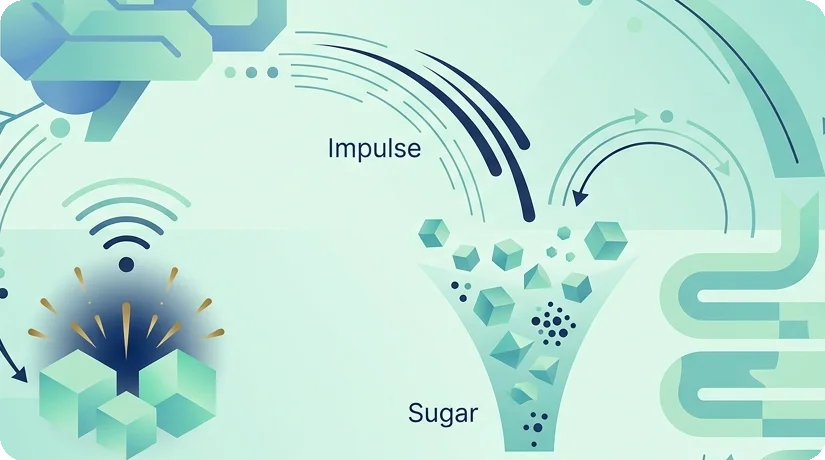
If you find yourself constantly reaching for something sweet, you're not alone. Persistent sugar cravings are a common experience, often stemming from a complex interplay of biological factors like fluctuating blood sugar levels, hormonal imbalances, and even your gut microbiome, alongside psychological triggers such as stress, ingrained habits, and environmental cues. Understanding the root causes is the first crucial step towards effectively managing and reducing these powerful urges.
What Are the Main Reasons You Crave Sugar?
The desire for sugar is rarely just about a lack of willpower. Our bodies and minds are wired in intricate ways that can drive us towards sweet treats. Let's explore the multifaceted reasons behind those relentless sugar cravings.
Biological Factors Driving Your Sweet Tooth
- Blood Sugar Imbalance: When you consume refined carbohydrates and sugary foods, your blood sugar can spike rapidly and then crash. This crash signals your body for quick energy, creating a strong urge for more sugar to bring levels back up. It’s a vicious cycle that can be hard to break.
- Hormonal Influences: Hormones like ghrelin (the hunger hormone) and leptin (the satiety hormone) play a significant role. Lack of sleep, for instance, can increase ghrelin and decrease leptin, making you feel hungrier and crave energy-dense foods, including sugar. Cortisol, the stress hormone, can also increase sugar cravings as the body seeks a quick energy boost to cope with perceived threats.
- Gut Microbiome: Emerging research suggests that the balance of bacteria in your gut can influence your food preferences. Certain types of bacteria thrive on sugar and can send signals to your brain, influencing your cravings to ensure their food supply.
- Evolutionary Hardwiring: From an evolutionary perspective, sweetness signaled a safe, calorie-rich food source crucial for survival. While our modern environment is abundant in sugar, our ancient brain still associates sweetness with readily available energy.
Psychological & Emotional Triggers
- Stress and Comfort Eating: Sugar activates the brain's reward system, releasing dopamine – a neurotransmitter associated with pleasure. Often, persistent sugar cravings are a manifestation of emotional eating and weight gain, where food is used to cope with stress, boredom, or sadness rather than physical hunger. Understanding this link is crucial for developing sustainable strategies to manage your sweet tooth. In times of stress, anxiety, or sadness, your brain might seek this quick dopamine hit, leading to sugar reliance for comfort.
- Habit and Association: Many cravings are simply habits. Do you always have a dessert after dinner? A sweet treat with your coffee? These routines create strong associations. Your brain learns to expect sugar at certain times or in certain situations, triggering a craving even if you're not physically hungry.
- Lack of Sleep: As mentioned with hormones, insufficient sleep doesn't just make you tired; it can also disrupt appetite-regulating hormones, increasing your desire for high-calorie, sugary foods as a compensatory energy source.
- Boredom or Emotional Void: Sometimes, sugar cravings arise from boredom, loneliness, or a feeling of emptiness. Food, particularly comfort food, can temporarily fill an emotional void, providing a momentary distraction or sense of pleasure.
Environmental & Lifestyle Factors
- High Accessibility: Sugar is ubiquitous in our modern food environment. It's in processed foods, drinks, and readily available everywhere, making it easy to indulge and harder to resist.
- Inadequate Diet: If your meals lack sufficient protein, fiber, or healthy fats, you're more likely to experience hunger pangs and blood sugar fluctuations, which can trigger sugar cravings. These nutrients help keep you feeling full and satisfied.
- Artificial Sweeteners: While designed to reduce sugar intake, some research suggests that artificial sweeteners might perpetuate a desire for sweetness, and in some cases, even impact gut microbiota, potentially influencing cravings.
How Can AI Weight Coach Help You Understand and Manage Sugar Cravings?
Navigating the complex world of sugar cravings can feel overwhelming, but you don't have to do it alone. AI Weight Coach offers a powerful suite of tools designed to help you identify your unique craving patterns and build sustainable strategies.
Our app helps you track your food intake, including sugar, and correlate it with your mood, sleep, and activity levels. This data-driven approach allows you to pinpoint specific triggers—whether they're emotional, habitual, or tied to your diet—giving you personalized insights into why you crave sugar. Based on this understanding, AI Weight Coach can suggest evidence-based behavioral strategies and meal planning adjustments to help you make healthier choices and gradually reduce your reliance on sugar. By providing structure and personalized guidance, we empower you to regain control over your sweet tooth and achieve your weight management goals.
Practical Strategies to Reduce Your Sugar Cravings
While understanding the 'why' is crucial, putting strategies into practice is key to long-term success. Here are actionable steps you can take to lessen the grip of sugar cravings.
Nutritional Approaches to Combat Cravings
- Prioritize Balanced Meals: Ensure each meal includes lean protein for blood sugar control, fiber-rich vegetables and whole grains, and healthy fats. This combination slows digestion, stabilizes blood sugar, and promotes satiety, significantly reducing the likelihood of a sugar crash and subsequent craving. Incorporating adequate protein helps prevent the rapid spikes and crashes that often trigger intense sugar cravings, increasing satiety and significantly reducing the urge for sweet treats. Examples include grilled chicken with quinoa and broccoli, or a lentil soup with whole-grain bread.
- Stay Hydrated: Sometimes, thirst can be mistaken for hunger or a craving. Drink plenty of water throughout the day. If you crave something sweet, try a glass of water first. Infuse it with fruit slices like lemon or berries for a hint of flavor.
- Choose Whole, Unprocessed Foods: Focus on foods in their natural state. Fruits, vegetables, lean meats, nuts, seeds, and whole grains provide essential nutrients and fiber without the added sugars found in many processed items.
- Practice Mindful Eating: Pay attention to your body's hunger and fullness cues. Adopting mindful eating practices can help you recognize true hunger versus emotional triggers. This approach encourages a deeper connection to your body's signals, reducing impulsive sweet consumption. When you eat, slow down, savor each bite, and notice the flavors and textures. This can also help you distinguish true hunger from emotional cravings and enhance satisfaction.
Lifestyle Adjustments for Better Craving Control
- Prioritize Quality Sleep: Aim for 7-9 hours of quality sleep per night. Good sleep hygiene can help regulate hormones like ghrelin and leptin, reducing your biological drive for sugar.
- Manage Stress Effectively: Find healthy ways to cope with stress, such as meditation, yoga, deep breathing exercises, spending time in nature, or engaging in hobbies you enjoy. Reducing stress can lessen the emotional need for sugar.
- Engage in Regular Physical Activity: Since stress is a significant trigger for sugar cravings due to its impact on cortisol, incorporating stress-reducing workouts can be a powerful tool to manage these urges. Regular physical activity helps regulate stress hormones and improve mood, lessening the need for sugary comfort foods. Exercise can also improve mood, reduce stress, and even help regulate blood sugar levels. A brisk walk or a workout can be a great way to distract yourself from a craving and boost your natural feel-good hormones.
- Identify and Break Habits: Pay attention to when and why you crave sugar. If it’s always after dinner, try replacing dessert with a walk, a cup of herbal tea, or a new hobby. Breaking the association is key.
Behavioral Techniques to Overcome Sweet Urges
- Delay, Distract, Decide: When a craving hits, try to delay for 10-15 minutes. Distract yourself with another activity (call a friend, do a chore, go for a walk). Then, decide if you still truly want the sugary item or if the urge has passed.
- Find Healthy Replacements: Instead of a candy bar, reach for a piece of fruit, a handful of nuts, or a small portion of plain Greek yogurt with berries. These provide natural sweetness and beneficial nutrients.
- Don't Keep Tempting Foods Accessible: Out of sight, out of mind. Stock your pantry and fridge with healthy options and limit the amount of high-sugar, processed foods you keep at home.
When Should You Seek Professional Help?
While many sugar cravings can be managed with lifestyle changes, sometimes they can be a symptom of underlying issues or indicate a struggle that requires professional support. If your cravings feel uncontrollable, are significantly impacting your health or daily life, or if you suspect they are linked to an eating disorder or an underlying medical condition like insulin resistance or type 2 diabetes, it's always best to consult with a healthcare provider, registered dietitian, or therapist. They can provide personalized advice, conduct assessments, and offer tailored treatment plans.
Disclaimer: This blog post provides general information and is not intended as medical advice. Always consult with a qualified healthcare professional before making any significant changes to your diet or lifestyle, especially if you have underlying health conditions.