If you're meticulously tracking your food intake and believe you're in a calorie deficit but the scale isn't budging, it can be incredibly frustrating. Many believe that a weight loss plateau means your efforts are futile, but understanding Common Weight Loss Plateau Myths Debunked can help you identify and overcome these frustrating periods with informed strategies. To ensure sustainable weight loss and avoid common pitfalls like underestimating intake or overestimating expenditure, understanding effective Calorie Deficit Strategies is crucial, addressing issues like metabolic adaptations or fluctuating non-scale factors like water retention and muscle gain.
Am I Really in a Calorie Deficit? The Truth About Tracking
The foundation of weight loss is creating a sustained calorie deficit, meaning you consume fewer calories than your body burns. However, accurately determining both sides of this equation can be trickier than it seems.
Underestimating Calorie Intake
- Hidden Calories: Sauces, dressings, cooking oils, beverages, and small snacks can add up quickly without conscious tracking. A "splash" of olive oil or a few bites from a friend's plate can easily contribute hundreds of calories per day.
- Portion Size Blind Spots: Even healthy foods can sabotage your deficit if portions are larger than calculated. Most people tend to overestimate how small a "serving" actually is.
- Inaccurate Food Labels & Databases: Nutritional information can have a margin of error. Restaurant foods, in particular, are often estimates and can vary significantly.
- Weekend "Cheats": Consistently sticking to your deficit during the week but overindulging on weekends can erase your progress, bringing your weekly average calorie intake back to maintenance or even a surplus.
Solution: Be scrupulously honest and precise with your tracking. Use a food scale for accuracy, measure liquids, and log everything—even the smallest nibbles. AI Weight Coach offers robust tracking tools designed to simplify this process and help you gain a clearer picture of your true intake.
Overestimating Calorie Expenditure
- Exercise Calorie Burn: Fitness trackers and gym machines often overestimate the calories burned during exercise. Your body is efficient and adapts, so the actual caloric expenditure might be less than displayed.
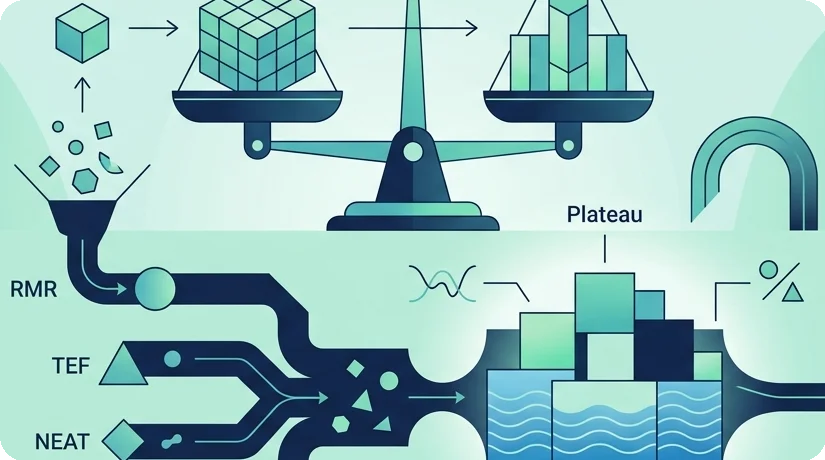
- BMR vs. TDEE: Your Basal Metabolic Rate (BMR) is what your body burns at rest. Your Total Daily Energy Expenditure (TDEE) includes BMR plus activity. Many people overestimate their activity levels, leading to an inflated TDEE and a deficit that isn't actually a deficit.
Solution: Treat exercise calorie estimates with a grain of salt. Focus on consistent movement and strength training for overall health benefits rather than solely for burning calories. Use a conservative estimate for your activity level when calculating your TDEE.
How Does My Body Adapt to Fewer Calories? Metabolic Adaptation
When you consistently eat less, your body is smart. It recognizes the reduced energy intake and initiates adaptive responses to conserve energy. This process, known as Metabolic Adaptation, where your body adjusts to lower calorie intake by reducing energy expenditure, is a significant factor in why weight loss can stall despite consistent effort.
- Reduced Basal Metabolic Rate (BMR): Your body may slightly decrease its BMR to conserve energy. This is often more pronounced with significant or rapid weight loss.
- Decreased NEAT (Non-Exercise Activity Thermogenesis): You might unconsciously move less throughout the day—fidgeting less, taking fewer steps, or having less spontaneous activity—which reduces your overall calorie burn without you realizing it.
- Hormonal Shifts: Levels of hormones that regulate appetite and metabolism (like leptin, ghrelin, thyroid hormones, and cortisol) can shift, making you feel hungrier and potentially slowing your metabolism slightly.
Solution: Incorporate "diet breaks" or "refeeds" periodically, under professional guidance, to temporarily increase calorie intake. This can help mitigate metabolic slowdown and psychological fatigue. Ensure your deficit isn't overly aggressive. A moderate deficit (300-500 calories below maintenance) is often more sustainable and less likely to trigger significant adaptation.
Could Non-Scale Factors Be Hiding My Progress?
The number on the scale is just one metric, and it can be influenced by many things other than actual fat loss.
- Water Retention: Fluctuations in water weight are common due to sodium intake, carbohydrate intake, menstrual cycles, stress, sleep, or new exercise routines (muscle repair can cause temporary inflammation and water retention).
- Muscle Gain: If you're new to strength training or increasing your intensity, you might be building muscle while simultaneously losing fat. Muscle is denser than fat, so your body composition is improving even if the scale doesn't move or even goes up slightly.
- Glycogen Stores: Carbohydrates are stored in your muscles and liver as glycogen, which binds with water. A sudden decrease in carb intake can lead to rapid initial weight loss (water weight), while reintroducing carbs can cause the scale to jump up temporarily.
Solution: Look beyond the scale. Take measurements of your waist, hips, and arms. Take progress photos. Notice how your clothes fit. Focus on strength, energy levels, and overall well-being. Weigh yourself consistently (e.g., daily or weekly at the same time) and look at the trend over several weeks rather than day-to-day fluctuations.
What Role Do Hormones, Sleep, and Stress Play?
Your lifestyle and internal chemistry profoundly impact your body's ability to lose weight, even in a deficit.
- Sleep Deprivation: Insufficient sleep can disrupt hormones that regulate appetite (ghrelin and leptin), making you hungrier and less satiated. It also elevates cortisol, a stress hormone that can promote fat storage, particularly around the midsection.
- Chronic Stress: Similar to sleep, chronic stress leads to elevated cortisol levels, which can hinder fat loss and increase cravings for high-calorie comfort foods.
- Hormonal Imbalances: Conditions like Polycystic Ovary Syndrome (PCOS), hypothyroidism, or menopause can make weight loss more challenging due to their impact on metabolism and fat storage.
- Certain Medications: Some medications can cause weight gain or make weight loss difficult as a side effect. It's crucial to discuss any concerns with your healthcare provider.
Solution: Prioritize 7-9 hours of quality sleep per night. Implement stress-reduction techniques like meditation, yoga, or spending time in nature. If you suspect a hormonal issue or medication side effect, consult a doctor for diagnosis and management.
Are There Other Lifestyle Factors Affecting My Weight Loss?
- Consistency is Key: Weight loss isn't a linear process. One day or even one week of perfect adherence won't always show immediate results. Patience and consistent effort over weeks and months are essential.
- Nutrient Timing and Quality: While a calorie deficit is paramount, the quality of your calories matters for satiety, energy, and micronutrient intake. Prioritizing protein, fiber-rich vegetables, and healthy fats can help you feel fuller and support muscle retention.
Solution: Review your entire week, not just individual days. Focus on nourishing your body with whole, unprocessed foods. AI Weight Coach helps you understand not just calories, but also your macronutrient distribution, guiding you towards better food choices.
When Should I Consult a Professional?
If you've diligently applied these strategies for several weeks or months and are still not seeing progress, or if you suspect an underlying medical condition, it's wise to consult a healthcare provider or a registered dietitian. They can evaluate your health, rule out medical issues, review your approach, and offer personalized guidance. Never adjust medication dosages or stop prescribed treatments without professional medical advice.
Disclaimer:
The information provided in this blog post is for general educational purposes only and is not intended as medical advice. Always consult with a qualified healthcare professional before making any decisions about your health, diet, or exercise routine, especially if you have a medical condition.