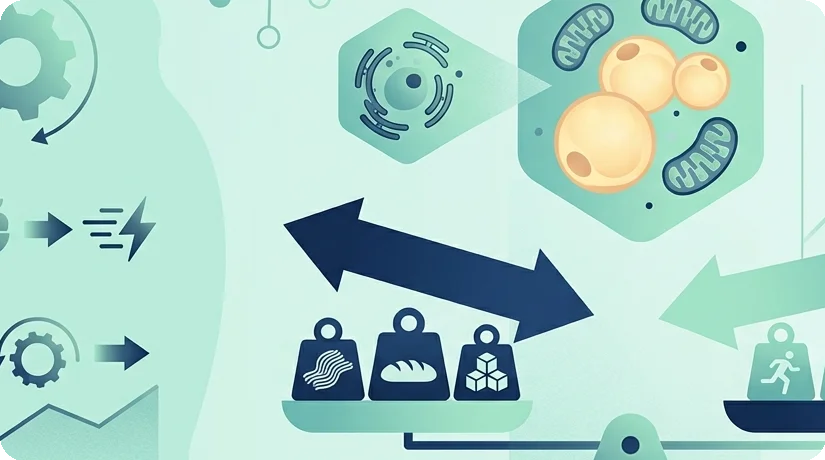
If you find yourself asking, "Why am I gaining weight so easily?" you're not alone. It's a common and often frustrating experience that goes beyond simply eating too much or moving too little. The reality is, weight gain is a complex interaction of your individual metabolism, hormonal balance, genetic predispositions, daily lifestyle choices, and even your surrounding environment. Understanding these intricate mechanisms is the first step toward finding sustainable solutions.
Is My Metabolism to Blame for Easy Weight Gain?
Your metabolism is the sum of all chemical processes that occur in your body to maintain life. It dictates how efficiently your body converts food into energy and how it stores excess energy as fat. While a "slow metabolism" is often cited as a culprit for easy weight gain, our article on metabolism myths debunked reveals a more nuanced truth about how your body processes energy.
- Resting Metabolic Rate (RMR): This is the number of calories your body burns at rest to maintain basic functions like breathing, circulation, and cell repair. RMR varies significantly between individuals based on age, sex, muscle mass, and genetics. Someone with a naturally lower RMR might need fewer calories to maintain their weight, making it easier to consume a surplus.
- Adaptive Thermogenesis: Your body is incredibly smart at adapting. If you've been on restrictive diets, your metabolism might slow down to conserve energy, making it easier to regain weight once you return to previous eating patterns. This is often referred to as metabolic adaptation.
- Non-Exercise Activity Thermogenesis (NEAT): This includes all the calories you burn outside of structured exercise – fidgeting, standing, walking, talking. If your NEAT is naturally lower or decreases due to a sedentary lifestyle, exploring ways to boost non-exercise activity can significantly impact your daily calorie burn.
Even a small, consistent caloric surplus – just an extra 100-200 calories per day – can lead to significant weight gain over time without noticeable changes in appetite or eating habits, making it essential to understand effective calorie deficit strategies for sustainable weight management.
How Do Hormones Affect Weight Gain?
Hormones play a powerful role in regulating appetite, metabolism, and fat storage. Imbalances can significantly contribute to easy weight gain.
- Insulin: This hormone, released by the pancreas, helps transport glucose from your bloodstream into cells for energy. Consuming too many refined carbohydrates and sugars can lead to chronic high insulin levels, promoting fat storage and making it harder to burn fat for energy.
- Cortisol: Known as the "stress hormone," cortisol is released during times of stress. Chronic stress elevates cortisol levels, which can increase appetite, promote cravings for high-sugar, high-fat foods, and lead to increased fat storage, particularly around the abdomen.
- Thyroid Hormones: Your thyroid gland produces hormones that regulate your metabolism. An underactive thyroid (hypothyroidism) can slow down metabolism, leading to fatigue, cold sensitivity, and weight gain.
- Leptin and Ghrelin: Leptin is the "satiety hormone" that tells your brain when you're full, while ghrelin is the "hunger hormone" that signals when it's time to eat. Disruptions in these hormones, often due to poor sleep or chronic dieting, can lead to increased hunger and reduced feelings of fullness.
- Estrogen: In women, fluctuating estrogen levels, especially during perimenopause and menopause, can influence fat distribution, often leading to increased abdominal fat.
If you suspect hormonal issues, it's crucial to consult a healthcare provider for diagnosis and appropriate management.
Can Lifestyle Habits Make Weight Gain Seem Effortless?
Our daily routines and choices have a profound impact on our weight. Seemingly minor habits can accumulate to significant weight gain.
The Impact of Sleep Quality
Insufficient or poor-quality sleep (less than 7-9 hours per night for adults) disrupts the balance of hunger-regulating hormones like leptin and ghrelin. Lack of sleep tends to increase ghrelin (hunger) and decrease leptin (satiety), making you feel hungrier and less satisfied, often leading to increased caloric intake.
Chronic Stress and Its Weight Connection
Beyond cortisol, chronic stress can also lead to emotional eating as a coping mechanism. People often turn to comfort foods, which are typically high in calories, sugar, and unhealthy fats, exacerbating the cycle of weight gain.
The Modern Food Environment
We live in an "obesogenic" environment filled with ultra-processed foods that are highly palatable, calorie-dense, and nutrient-poor. These foods are designed to be addictive, often overriding our natural satiety signals. Large portion sizes in restaurants and pre-packaged meals also contribute to overeating without conscious awareness.
Sedentary Behavior
In our modern world, many jobs and leisure activities involve prolonged sitting. A lack of regular physical activity reduces overall calorie expenditure, contributing to a caloric surplus even with moderate food intake. Increasing daily movement, beyond structured exercise, is vital.
What Role Do Genetics Play in Weight Tendency?
While genetics are not destiny, they do play a significant role in your susceptibility to weight gain. Research indicates that genetics can influence:
- Appetite and Satiety: Some individuals may have genetic variations that affect their hunger and fullness signals, making them more prone to overeating.
- Fat Storage and Distribution: Genetics can dictate where your body tends to store fat (e.g., abdominal vs. hip/thigh) and how efficiently it stores it.
- Metabolic Rate: As mentioned earlier, your inherent RMR can be influenced by your genetic makeup.
- Food Preferences: Genetic factors can also contribute to preferences for certain tastes, like sweet or fatty foods.
Understanding your genetic predisposition doesn't mean you're powerless. It simply means you might need a more conscious and consistent effort in managing your diet and lifestyle compared to someone with a different genetic blueprint.
Are Underlying Health Conditions Contributing to My Weight Gain?
Sometimes, easy weight gain isn't just about diet and lifestyle, but an indicator of an underlying medical condition or a side effect of certain medications. It's crucial to consult a healthcare professional if you suspect these factors are at play.
- Hypothyroidism: An underactive thyroid gland, as discussed, can significantly slow metabolism.
- Polycystic Ovary Syndrome (PCOS): This hormonal disorder in women can lead to insulin resistance, increased androgen levels, and often results in weight gain, particularly around the abdomen.
- Certain Medications: Some medications, including antidepressants, corticosteroids, beta-blockers, and certain diabetes medications, can have weight gain as a side effect. Your doctor can help evaluate if your medication is contributing and discuss potential alternatives or management strategies.
A doctor can conduct tests to diagnose these conditions and recommend appropriate treatment or adjustments to your medication regimen.
How Can AI Weight Coach Help You Understand and Manage Weight?
Understanding why you're gaining weight easily is the first step, and AI Weight Coach is designed to help you navigate this complex journey. Our app provides personalized tools and insights to help you identify the factors contributing to your weight fluctuations and build sustainable habits.
- Personalized Insights: AI Weight Coach helps you track your food intake, activity levels, and even sleep patterns to reveal personalized insights into how your lifestyle choices impact your weight. This data-driven approach can uncover hidden patterns contributing to easy weight gain.
- Sustainable Strategies: Rather than promoting restrictive diets, we focus on evidence-based strategies for mindful eating, balanced nutrition, and consistent physical activity. Our goal is to help you make manageable, long-term changes that align with your body's unique needs.
- Holistic Support: Recognizing that weight management is multifaceted, AI Weight Coach integrates aspects of nutrition science, behavior psychology, and practical tips to empower you with a comprehensive approach to health and weight wellness.
By providing a structured yet flexible framework, AI Weight Coach can be a valuable partner in helping you take control of your weight journey, turning confusion into clarity and frustration into progress.
Disclaimer: This blog post provides general information and is not a substitute for professional medical advice, diagnosis, or treatment. Always seek the advice of your physician or other qualified health provider with any questions you may have regarding a medical condition or before starting any new diet or exercise program.