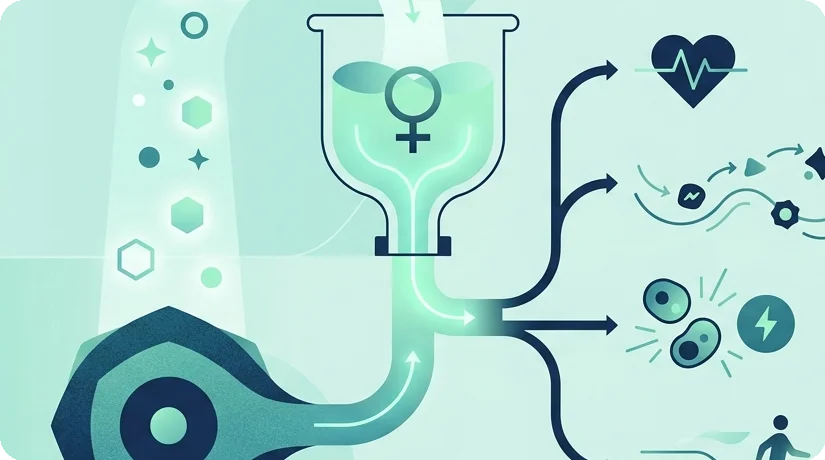
A calorie deficit for women occurs when they consistently consume fewer calories than their body expends, prompting the body to use stored energy (fat) for fuel, leading to weight loss. This foundational principle of weight management is tailored to individual female physiology, considering factors like hormones, body composition, and activity levels.
Understanding and implementing a calorie deficit effectively is a cornerstone of sustainable weight loss. For women, this isn't just about "eating less"; it's about understanding your body's unique energy needs and making informed choices that support both weight loss and overall health.
What Exactly is a Calorie Deficit?
At its core, a calorie deficit is a state where your body receives fewer calories from food and drink than it burns through its daily activities, including basic bodily functions (breathing, circulation), digestion, and physical movement. When this happens, your body turns to its stored energy reserves, primarily fat, to make up the difference. This process is what leads to weight loss.
Think of your body as needing fuel. If you put less fuel in than you use, the "tank" gradually empties. Similarly, consuming fewer calories than your body requires forces it to "burn" stored fat for energy, causing weight loss. This principle applies to everyone, but the specific numbers and the approach can vary significantly, especially between men and women.
Why Do Calorie Deficits Differ for Women?
While the basic principle of "calories in vs. calories out" is universal, several physiological and hormonal factors mean that women's approach to a calorie deficit often needs to be more nuanced. Many misconceptions surround how female metabolism works; exploring Metabolism Myths Debunked can empower women to make informed decisions about their calorie intake and exercise, optimizing their weight loss efforts. These factors include:
- Basal Metabolic Rate (BMR): On average, women tend to have a lower BMR than men. This is largely due to women typically having a higher percentage of body fat and less muscle mass, as muscle burns more calories at rest than fat.
- Hormonal Fluctuations: Hormones like estrogen and progesterone play a significant role in a woman's metabolism, appetite, and fat storage. Given that female physiology and hormones play a significant role in metabolism, understanding how Hormonal Imbalance and Weight Gain are linked is crucial for women to navigate their calorie deficit journey effectively. The menstrual cycle, pregnancy, and menopause can all impact calorie needs, energy levels, and cravings.
- Body Composition: Women naturally carry a higher percentage of essential body fat, impacting overall calorie-burning capacity compared to men.
Understanding these unique aspects is crucial for women to set realistic and healthy calorie deficit goals that support overall well-being.
How Can Women Calculate Their Calorie Needs and Deficit?
Accurately determining your personal calorie needs is the first step towards creating an effective calorie deficit. This involves estimating your Total Daily Energy Expenditure (TDEE).
Understanding BMR and TDEE
Your Basal Metabolic Rate (BMR) is the calories your body needs for basic functions at rest. Your Total Daily Energy Expenditure (TDEE) is your BMR plus the calories you burn through all daily activities. Formulas like the Mifflin-St Jeor equation, used in online calculators, estimate these based on age, weight, height, and activity level.
Practical Steps to Estimate Your Deficit
- Calculate Your TDEE: Use an online TDEE calculator to get an estimate of how many calories you burn daily.
- Determine Your Deficit Goal: A safe and sustainable calorie deficit for women typically ranges from 500 to 750 calories per day below their TDEE. This generally results in a weight loss of about 1 to 1.5 pounds per week, considered a healthy rate. For instance, if your TDEE is 2000 calories, aiming for 1300-1500 calories daily would create a safe deficit.
- Start Tracking: Track your food intake diligently to ensure you're consistently hitting your deficit goal. Tools like AI Weight Coach can be incredibly helpful, providing personalized calorie targets and making it easy to log meals and monitor progress.
- Adjust as Needed: Your metabolism can adapt, and your TDEE will change as you lose weight. Be prepared to recalculate and adjust your calorie target to continue seeing progress.
Remember, these are estimates. Listening to your body, monitoring energy levels, and seeing consistent weight loss are better indicators of a well-calibrated deficit.
Strategies for Achieving and Maintaining a Calorie Deficit
Creating a calorie deficit doesn't mean deprivation. It's about making smart, sustainable choices that reduce calorie intake without sacrificing nutrition or enjoyment. To effectively achieve a calorie deficit, understanding various Calorie Deficit Strategies can help women tailor their approach to their unique metabolic needs and lifestyle, ensuring sustainable weight loss without compromising essential nutrition.
- Focus on Nutrient-Dense Foods: Prioritize whole, unprocessed foods rich in nutrients but lower in calories (lean proteins, vegetables, fruits, whole grains) to promote satiety.
- Prioritize Protein and Fiber: Protein aids satiety and preserves muscle mass. Fiber-rich foods add bulk and support digestion.
- Portion Control: Learn to recognize appropriate serving sizes using measuring tools.
- Stay Hydrated: Drinking plenty of water can help you feel fuller and prevent mistaking thirst for hunger.
- Mindful Eating: Pay attention to hunger/fullness cues, eat slowly, and avoid distractions to prevent overeating.
- Incorporate Regular Physical Activity: Exercise significantly contributes to your TDEE, helping to widen the deficit. Aim for a mix of cardio and strength training.
- Prioritize Sleep and Stress Management: Poor sleep and chronic stress can disrupt appetite-regulating hormones, potentially increasing cravings.
Common Challenges for Women and How to Overcome Them
Navigating a calorie deficit can present unique hurdles for women, but with awareness and strategies, these can be managed.
Hormonal Fluctuations and Cravings
Increased cravings during menstrual cycles or menopause are common. Plan ahead with healthier, satisfying alternatives. Opt for protein-rich snacks or allow small, controlled portions of treats rather than complete deprivation.
Metabolic Adaptation
As you lose weight, your metabolism might slow slightly. Counteract this by regularly adjusting your calorie targets, incorporating Strength Training Workouts for Women to build muscle (which boosts metabolism), and considering occasional "diet breaks" at maintenance calories (discussed with a professional).
Social Pressures and Emotional Eating
Develop non-food coping mechanisms for stress. Communicate your goals to friends and family for support. Plan for social events by looking up menus or eating a healthy snack beforehand.
Is a Calorie Deficit Safe and Sustainable for Women?
Yes, when done correctly, a calorie deficit is both safe and sustainable for women, leading to gradual and lasting weight loss. However, it's crucial to approach it healthily:
- Avoid Extreme Restriction: Consuming too few calories (e.g., below 1200 calories per day without medical supervision) can be detrimental, leading to nutrient deficiencies, muscle loss, and hormonal imbalances. Prioritize your nutritional needs.
- Focus on Nutrient Adequacy: Ensure your reduced calorie intake still provides all essential vitamins, minerals, and macronutrients vital for energy, hormone regulation, and overall health.
- Listen to Your Body: Pay attention to hunger signals, energy levels, and mood. If you're consistently feeling deprived or unwell, your deficit might be too aggressive.
- Seek Professional Guidance: If you have underlying health conditions, hormonal imbalances, or are unsure how to start, consulting a healthcare provider or a registered dietitian is highly recommended for personalized advice.
Conclusion
A calorie deficit is a powerful and necessary tool for women aiming to lose weight. By understanding your unique physiology, accurately calculating your energy needs, and adopting sustainable strategies, you can achieve your weight loss goals effectively and healthily. It's not about deprivation, but about smart, informed choices that empower you to take control of your health.
Tools like AI Weight Coach can simplify this process by offering personalized calorie targets, macro tracking, and supportive guidance, helping you navigate the complexities of a calorie deficit with confidence and ease.
Disclaimer: This article provides general information and is not a substitute for professional medical advice. Always consult with a qualified healthcare provider or registered dietitian before making significant changes to your diet or exercise routine, especially if you have underlying health conditions.