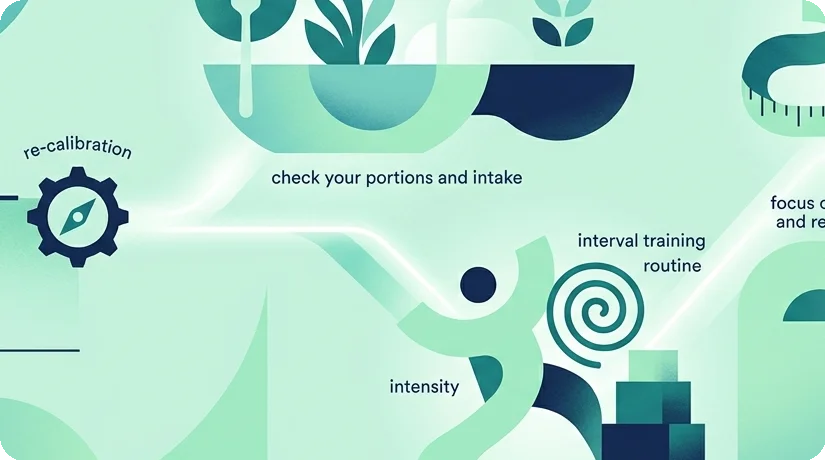
Congratulations on your initial progress! It's incredibly common, and completely normal, to experience a weight loss plateau after just one month of dedicated effort. That initial rapid drop in weight often includes significant water loss, as your body depletes glycogen stores and reduces inflammation. As your body adapts to its new lower weight, understanding metabolic adaptation is crucial when facing a plateau, as your body becomes more efficient at its new, lower weight, requiring fewer calories to maintain itself. This doesn't mean your efforts are failing; it simply means it's time to re-evaluate your strategy and make some informed adjustments to continue your journey.
Why Do Weight Loss Plateaus Occur So Early?
Understanding why plateaus happen can alleviate frustration and empower you to move forward. After the initial honeymoon phase of rapid weight loss, your body undergoes several changes:
- Initial Water Weight Loss: The first few pounds lost are often primarily water. As your body burns through stored carbohydrates (glycogen), each gram of glycogen releases about 3-4 grams of water. Once this initial store is depleted, this rapid water-weight loss slows or stops.
- Metabolic Adaptation: As you lose weight, your body requires fewer calories to perform its daily functions. A smaller body mass burns fewer calories at rest and during activity. This means the calorie deficit that worked in week one might no longer be sufficient for continued loss.
- Increased Metabolic Efficiency: Your body is incredibly smart and adapts to perceived calorie restriction by becoming more efficient. This can manifest as subtle reductions in non-exercise activity thermogenesis (NEAT) – you might unconsciously move less, fidget less, or feel slightly more tired.
- Lifestyle Creep: Over time, small inaccuracies can creep into your tracking or habits. Perhaps a slightly larger portion, a few extra snacks, or less strict adherence to your exercise routine can collectively reduce your calorie deficit without you even realizing it.
Strategic Nutrition Adjustments to Break Through
Your nutrition is often the most impactful area to adjust when facing a plateau. Revisiting your calorie deficit strategies is essential, as the initial deficit might no longer be sufficient to continue weight loss once your body has adapted. Small, consistent changes can make a big difference.
Recalibrate Your Calorie & Macro Intake
- Re-evaluate Your Baseline: As you lose weight, your calorie needs decrease. What was a deficit a month ago might now be your maintenance level. Re-calculate your estimated daily calorie needs for your current weight and adjust your intake accordingly. Tools like AI Weight Coach can help you re-assess your calorie targets based on your updated weight and activity levels.
- Focus on Protein: Ensure you're consuming adequate protein (around 0.7-1 gram per pound of target body weight). Protein is highly satiating, helps preserve lean muscle mass during weight loss, and has a higher thermic effect (meaning your body burns more calories digesting it) compared to carbs or fats.
- Increase Fiber: Fiber-rich foods (fruits, vegetables, whole grains, legumes) add bulk to your meals, promoting fullness and aiding digestion without adding excessive calories. They also help regulate blood sugar, preventing energy crashes and cravings.
- Hydration is Key: Sometimes thirst is mistaken for hunger. Ensure you're drinking plenty of water throughout the day. Water also supports metabolic functions and can help you feel fuller.
- Scrutinize Hidden Calories: Be meticulous about tracking everything – cooking oils, salad dressings, sauces, beverages, and seemingly small snacks. These can add up quickly and erode your calorie deficit.
Embrace Mindful Eating Practices
Beyond what you eat, how you eat matters. Slowing down, savoring your food, and paying attention to hunger and fullness cues can prevent overeating and improve digestion. Avoid distractions during meals and truly tune into your body's signals.
Boosting Your Activity to Reignite Progress
While diet is paramount, incorporating strategic movement is crucial for breaking plateaus and improving overall health.
Incorporate Strength Training
If you haven't already, incorporating targeted strength training workouts can effectively combat metabolic adaptation by building muscle, which helps increase your resting metabolic rate. Muscle tissue is more metabolically active than fat tissue, meaning it burns more calories at rest. Building muscle can subtly increase your resting metabolic rate, helping you burn more calories even when you're not exercising.
Increase Non-Exercise Activity Thermogenesis (NEAT)
NEAT refers to the calories burned through everyday activities that aren't formal exercise. Think walking more, taking the stairs, standing while working, fidgeting, or doing household chores. These small movements can add up to a significant calorie burn over the course of a day and often decrease subconsciously during calorie restriction.
Vary Your Cardio Routine
If you're doing the same cardio routine every day, your body may have adapted. Try introducing different forms of cardio (e.g., swimming, cycling, hiking), increasing intensity (e.g., interval training), or extending the duration of your workouts. Challenging your body in new ways can help stimulate further progress.
The Hidden Hurdles: Sleep, Stress, and Consistency
Weight loss is not just about calories in and calories out; it's a complex interplay of hormones, lifestyle, and psychology.
Prioritize Quality Sleep
Lack of sleep can wreak havoc on your weight loss efforts. It disrupts hormones like ghrelin (which stimulates hunger) and leptin (which signals fullness), leading to increased appetite and cravings, especially for high-carb, high-fat foods. Aim for 7-9 hours of quality sleep per night.
Manage Stress Effectively
Chronic stress elevates cortisol levels. High cortisol can promote fat storage, particularly around the abdominal area, and increase appetite. Incorporate stress-reduction techniques into your daily routine, such as meditation, yoga, deep breathing exercises, spending time in nature, or engaging in hobbies you enjoy.
Consistency is King
Weight loss isn't linear. There will be ups and downs. The key is to remain consistent with your healthy habits even when the scale isn't moving. Focus on the long game. AI Weight Coach helps you track your progress, celebrate non-scale victories, and maintain consistency through personalized insights and guidance, reminding you that small, steady actions lead to big results.
When to Seek Professional Guidance
If you've meticulously applied these strategies for several weeks and are still stuck, or if you have underlying health concerns, it might be beneficial to consult with a healthcare professional, a registered dietitian, or a certified personal trainer. They can offer personalized advice, check for any medical conditions impacting weight loss, or help you fine-tune your plan.
Remember, a weight loss plateau after one month is a normal part of the process, not a sign of failure. It's an opportunity to learn more about your body and make informed adjustments. Stay patient, stay persistent, and trust the process. You've got this!
Disclaimer: The information provided in this article is for general educational purposes only and is not intended as medical advice. Always consult with a qualified healthcare professional before making any significant changes to your diet, exercise routine, or health regimen, especially if you have any pre-existing health conditions or concerns.