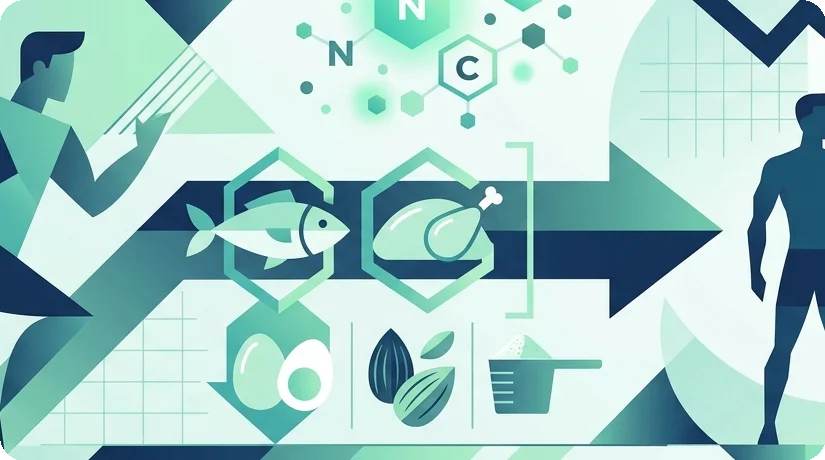
For men aiming for weight loss, protein is a cornerstone nutrient that boosts satiety, preserves lean muscle mass, and increases metabolism, making it easier to reduce overall calorie intake and achieve sustainable fat loss. Incorporating adequate protein into your diet is not just about muscle building; it's a strategic move for effective and lasting fat loss, helping you feel fuller, preserve strength, and optimize your body's energy expenditure.
Why is Protein So Important for Male Weight Loss?
Men often have a higher baseline muscle mass compared to women, and preserving this muscle is critical during a weight loss journey. When you create a caloric deficit to lose weight, your body can sometimes break down muscle tissue for energy, not just fat. This is where protein steps in.
- Muscle Preservation: Adequate protein intake helps signal your body to retain muscle mass, ensuring that a higher percentage of your weight loss comes from fat, not muscle. Preserving muscle is vital for maintaining a strong metabolism, as muscle tissue burns more calories at rest than fat tissue.
- Higher Metabolic Rate: Muscle is metabolically active. The more lean muscle mass you maintain, the more calories your body burns throughout the day, even when you're not exercising. This contributes significantly to creating and sustaining a calorie deficit.
- Testosterone Support: While protein itself isn't a direct testosterone booster, maintaining a healthy body composition with adequate protein intake can support overall hormonal balance, which is crucial for men's health, muscle maintenance, and energy levels.
How Does Protein Specifically Aid Fat Loss?
The benefits of protein extend far beyond just muscle preservation. Its unique properties make it a powerful tool in your weight loss arsenal.
1. Enhanced Satiety (Feeling Full)
Protein is known for its ability to promote feelings of fullness and reduce appetite more effectively than carbohydrates or fats. This is largely due to its impact on satiety hormones. When you consume protein, it triggers the release of hormones like GLP-1 and cholecystokinin (CCK), which signal to your brain that you are full. For men trying to cut calories, this means:
- Fewer cravings throughout the day.
- Reduced likelihood of overeating at meals.
- Greater control over portion sizes and snack choices.
2. Increased Thermic Effect of Food (TEF)
The Thermic Effect of Food (TEF) is the energy your body expends to digest, absorb, and metabolize the nutrients from your food. Protein has a significantly higher TEF than carbohydrates or fats. Roughly 20-30% of the calories from protein are used just for its digestion, compared to 5-10% for carbs and 0-3% for fats. This means that by eating more protein, you are effectively burning more calories just by processing your meals, giving you a slight metabolic advantage.
3. Stabilized Blood Sugar Levels
Unlike simple carbohydrates, protein has a minimal impact on blood sugar levels. When blood sugar is stable, you avoid the sharp spikes and crashes that can lead to increased hunger and cravings, especially for sugary or high-carb foods. This steady energy supply helps prevent energy dips that often tempt men to reach for quick, calorie-dense snacks.
How Much Protein Do Men Need for Weight Loss?
The exact amount of protein needed can vary based on factors like age, activity level, current weight, and weight loss goals. However, for men actively pursuing weight loss, general recommendations are often higher than the standard dietary guidelines.
- General Recommendation (Sedentary): Around 0.8 grams of protein per kilogram of body weight (0.36 grams per pound).
- For Weight Loss (Active): Many experts recommend aiming for 1.6 to 2.2 grams of protein per kilogram of body weight (0.7 to 1.0 grams per pound of body weight or, more accurately, lean body mass) daily. If you're very active or engaged in strength training, you might even go slightly higher.
For example, a man weighing 200 pounds (approx. 90 kg) aiming for weight loss might target 140-200 grams of protein per day. Distributing this intake throughout your meals (e.g., 30-50 grams per meal) can optimize muscle protein synthesis and satiety. Tools like the AI Weight Coach app can help you track your protein intake and ensure you're consistently hitting your targets without guesswork.
What Are the Best Protein Sources for Men?
Focus on a variety of lean, whole food protein sources to ensure you're getting a complete amino acid profile and a range of other essential nutrients.
- Lean Meats: Chicken breast, turkey, lean beef cuts (sirloin, round), pork loin.
- Fish and Seafood: Salmon (also rich in omega-3s), tuna, cod, shrimp, tilapia.
- Eggs: A complete protein source, versatile and affordable.
- Dairy Products: Greek yogurt (high in protein), cottage cheese, skim milk, kefir.
- Legumes: Lentils, black beans, chickpeas, kidney beans (also provide fiber).
- Nuts and Seeds: Almonds, walnuts, chia seeds, flax seeds (good for snacks, but calorie-dense).
- Protein Powders: Whey, casein, soy, pea, or other plant-based proteins can be convenient supplements, especially post-workout or for busy individuals. Always consult with a healthcare professional or registered dietitian before adding new supplements to your diet.
Practical Strategies to Boost Your Protein Intake
Making protein a priority doesn't have to be complicated. Here are some actionable tips:
- Start Strong: Begin your day with a high-protein breakfast. Think scrambled eggs, Greek yogurt with berries, or a protein smoothie.
- Protein at Every Meal: Aim to include a significant protein source in all your main meals.
- Smart Snacking: Swap chips or sugary snacks for protein-rich options like a handful of almonds, a hard-boiled egg, or a small portion of cottage cheese.
- Meal Prep: Cook larger batches of lean protein sources like chicken breast or ground turkey at the beginning of the week to easily add to meals.
- Prioritize Protein on Your Plate: When serving yourself, ensure protein takes up a good portion of your plate, followed by vegetables and then complex carbohydrates.
- Utilize AI Weight Coach: Use the AI Weight Coach app to log your food intake. It can provide personalized recommendations and help you visualize your macro distribution, ensuring you meet your protein goals consistently.
Beyond Protein: A Holistic Approach to Weight Loss for Men
While protein is paramount, it's part of a larger picture for sustainable weight loss. For optimal results, men should also focus on:
- Calorie Deficit Strategies: Ultimately, weight loss occurs when you consume fewer calories than you burn. Protein helps achieve this more easily, but overall calorie management is key.
- Strength Training Workouts for Men: Incorporate regular resistance training to build and maintain muscle mass, further boosting your metabolism and improving body composition.
- Hydration: Drink plenty of water throughout the day, which can also help with satiety and overall bodily functions.
- Adequate Sleep: Poor sleep can disrupt hunger hormones and make weight loss more challenging. Aim for 7-9 hours per night.
- Stress Management: Chronic stress can lead to increased cortisol levels, which may hinder weight loss efforts. Find healthy ways to manage stress.
The AI Weight Coach app can provide comprehensive support, combining personalized nutrition tracking, exercise guidance, and behavioral insights to help men integrate these elements into a successful weight loss strategy.
Conclusion
For men focused on weight loss, protein isn't just a macronutrient; it's a strategic ally. By maximizing satiety, preserving crucial muscle mass, and boosting your metabolism, a high-protein diet creates a more effective and sustainable path to reaching your body composition goals. Combine this nutritional strategy with regular exercise and a holistic lifestyle, and you'll be well on your way to achieving lasting results.
Disclaimer: This article provides general information and is not a substitute for professional medical advice. Always consult with a qualified healthcare provider or registered dietitian before making significant changes to your diet, exercise routine, or if you have any health concerns.