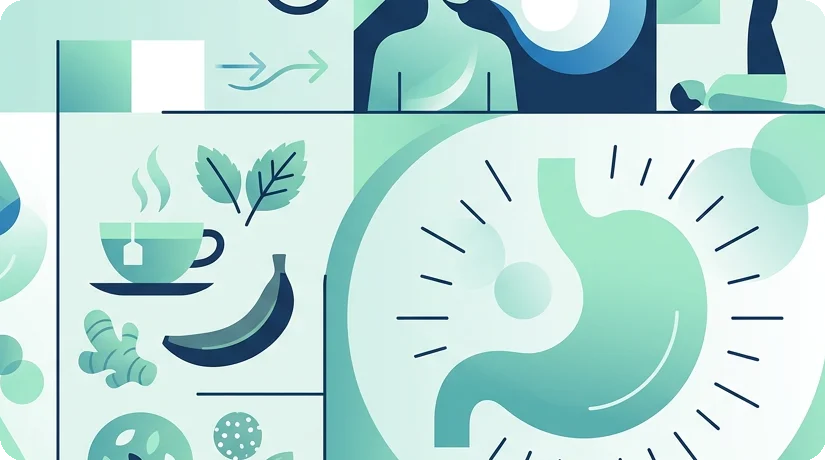
Feeling uncomfortably full, gassy, or swollen in your abdomen? Bloating can be a frustrating and often painful experience, but the good news is there are several effective strategies to reduce bloating fast. To find quick relief, focus on mindful eating practices, which can help you slow down, chew your food thoroughly, and avoid swallowing excess air, all of which contribute to reducing bloating. Gentle movement like walking, increasing your water intake, and consuming specific foods and drinks known for their digestive benefits can also help. Temporarily avoiding common gas-producing foods and high-sodium meals can also make a significant difference in a short amount of time.
What Exactly Causes Bloating in the First Place?
Before diving into quick fixes, understanding the root causes of bloating can help you prevent it in the future. Bloating typically occurs when your gastrointestinal tract is filled with air or gas. This can be due to a variety of factors, ranging from diet and lifestyle to underlying health conditions.
Common Dietary Culprits
- Gas-Producing Foods: Foods rich in certain types of carbohydrates (FODMAPs) like beans, lentils, broccoli, cabbage, onions, and garlic can ferment in the gut, leading to gas.
- Carbonated Drinks: The bubbles in sodas and sparkling water introduce air into your digestive system.
- Artificial Sweeteners: Sugar alcohols found in diet foods and chewing gum can be difficult to digest for some, causing gas and bloating.
- High Sodium Intake: Understanding how factors like high sodium intake can lead to water retention and weight gain, a common cause of uncomfortable bloating, is crucial for effective relief.
- Dairy Products: For those with lactose intolerance, dairy can cause significant bloating and discomfort.
Lifestyle & Other Factors
- Eating Too Quickly: Gulping down food can lead to swallowing excess air.
- Lack of Physical Activity: Movement helps gas pass through the digestive system.
- Stress and Anxiety: The gut-brain axis means stress can disrupt digestion.
- Hormonal Fluctuations: Many women experience bloating around their menstrual cycle due to hormonal changes.
- Underlying Health Conditions: Conditions like Irritable Bowel Syndrome (IBS), celiac disease, or SIBO (Small Intestinal Bacterial Overgrowth) can cause chronic bloating.
What Foods and Drinks Can Help Reduce Bloating Quickly?
When you're looking for fast relief, certain foods and beverages can act as your digestive allies.
Hydration Heroes
It might seem counterintuitive, but increasing your intake of hydrating drinks for optimal health, such as plain water or herbal teas, can significantly aid digestion and reduce fluid retention that contributes to bloating. Staying well-hydrated also helps flush out excess sodium and supports healthy digestion.
- Plain Water: The simplest and most effective.
- Peppermint Tea: Known for its antispasmodic properties, peppermint can relax intestinal muscles and help gas pass.
- Ginger Tea: Ginger is a natural anti-inflammatory and can aid digestion.
- Chamomile Tea: Helps to soothe the digestive tract and reduce muscle spasms.
- Fennel Tea: Fennel seeds have carminative properties that help relieve gas.
Digestive Aids
Incorporate these foods into your diet for their bloat-fighting benefits:
- Ginger: Fresh ginger can be added to meals or consumed as tea.
- Fennel: Chewing on a few fennel seeds after a meal or adding fresh fennel to salads can help.
- Pineapple: Contains bromelain, an enzyme that aids protein digestion.
- Bananas: Rich in potassium, which helps counteract the effects of sodium and reduce fluid retention.
- Asparagus: A natural diuretic, helping to flush out excess water.
- Cucumber: High water content and natural diuretics make it excellent for reducing puffiness.
- Probiotic-Rich Foods: Plain yogurt, kefir, or kimchi can help balance gut bacteria, reducing gas production over time.
Foods to Temporarily Skip
For immediate relief, it's wise to temporarily avoid foods that are known bloat-triggers:
- Carbonated beverages: As mentioned, they introduce air.
- Chewing gum: You swallow air while chewing.
- High-FODMAP foods: Onions, garlic, beans, lentils, apples, pears, wheat-based products.
- Cruciferous vegetables: Broccoli, cabbage, cauliflower (if you're sensitive).
- Very salty foods: Processed snacks, fast food, canned soups.
- Dairy: If you suspect lactose intolerance.
Are There Lifestyle Changes for Immediate Bloat Relief?
Beyond what you eat and drink, how you eat and move your body plays a crucial role in reducing bloating fast.
Mindful Eating Techniques
- Eat Slowly: Give your body time to digest and avoid swallowing excess air.
- Chew Thoroughly: Break down your food properly before swallowing.
- Avoid Talking While Eating: This reduces the amount of air you might ingest.
- Don't Gulp: Sip drinks slowly instead of chugging.
The Power of Movement
Gentle physical activity can be incredibly effective for fast bloating relief:
- Incorporating gentle movement, like walking or other forms of Boosting Non-Exercise Activity (NEAT), can stimulate your digestive system and help trapped gas move through your body.
- Light Stretching or Yoga: Poses like child's pose, knees-to-chest, or twisted spine can help release gas and ease abdominal discomfort.
Stress Reduction
Stress can significantly impact digestion. Taking a few minutes to relax can make a difference:
- Deep Breathing Exercises: Focus on slow, deep breaths to calm your nervous system.
- Short Meditation: Even 5-10 minutes of mindfulness can help relax your gut.
How AI Weight Coach Supports Digestive Health and Weight Goals
Managing bloating often requires understanding your body's unique responses to food and lifestyle. AI Weight Coach can be an invaluable partner in managing and preventing bloating by helping you identify and track your triggers.
Its personalized meal planning features can help you integrate bloat-busting foods while ensuring your intake of fiber, water, and essential nutrients is balanced. With AI Weight Coach, you can log your food intake and symptoms, helping you pinpoint specific foods that cause discomfort and make informed choices for your digestive well-being and overall weight loss journey. The app's tracking capabilities also encourage consistent hydration and mindful eating, both critical for a comfortable, bloat-free existence.
When Should You Be Concerned About Persistent Bloating?
While occasional bloating is common, persistent or severe bloating accompanied by other symptoms warrants a visit to your doctor. Seek medical advice if you experience:
- Severe abdominal pain
- Unexplained weight loss
- Blood in your stool
- Persistent diarrhea or constipation
- Fever
- Bloating that doesn't resolve with lifestyle changes
Conclusion
Reducing bloating fast involves a combination of smart dietary choices, mindful eating habits, and gentle lifestyle adjustments. By incorporating more water, herbal teas, and certain fruits and vegetables, while temporarily avoiding known gas-producers, you can find quick relief. Coupled with mindful eating and gentle movement, you'll be well on your way to a more comfortable digestive system. Remember, consistency is key for long-term comfort, and tools like AI Weight Coach can empower you to make informed decisions, track your progress, and build habits that support a comfortable, bloat-free life.