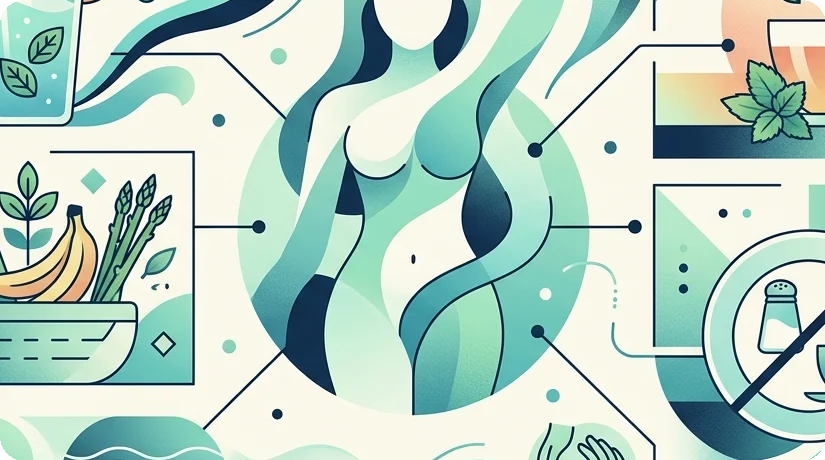
Bloating during ovulation, often referred to as mid-cycle bloat, is a common experience for many individuals due to hormonal fluctuations. Understanding the mechanisms behind water retention and weight gain, particularly how hormonal shifts influence fluid balance, is key to managing ovulation-related discomfort, helping differentiate temporary fluid shifts from other causes of weight fluctuation. To reduce this discomfort, focus on increasing your water intake, consuming a balanced diet rich in fiber, limiting high-sodium and processed foods, and engaging in regular, gentle physical activity.
Why Do We Experience Bloating During Ovulation?
Ovulation, a key phase in the menstrual cycle, typically occurs around day 14 of a 28-day cycle. During this time, the body experiences a surge in estrogen, followed by a rise in luteinizing hormone (LH), leading to the release of an egg. These hormonal shifts are often the primary culprits behind ovulation-related bloating.
- Estrogen Fluctuation: A significant increase in estrogen levels before and during ovulation can lead to water retention and swelling. Estrogen influences the renin-angiotensin-aldosterone system, which plays a role in regulating fluid balance in the body.
- Progesterone's Role: While progesterone levels are lower during ovulation compared to the luteal phase (post-ovulation), the subsequent rise in progesterone can also contribute to digestive slowdown and bloating, albeit typically more pronounced later in the cycle.
- Increased Blood Flow: The reproductive organs experience increased blood flow during ovulation, which can contribute to a feeling of fullness or pressure in the pelvic area.
- Gut Sensitivity: Hormonal changes can also make the digestive system more sensitive, leading to increased gas production or altered bowel movements for some individuals.
What Dietary Changes Can Help Reduce Ovulation Bloating?
Making strategic adjustments to your diet can significantly impact how your body manages fluid balance and digestion during ovulation. Implementing an anti-bloating diet focuses on foods that support digestion and reduce fluid retention, offering effective strategies to alleviate discomfort beyond just ovulation. Here are key dietary strategies:
Prioritize Hydration: Drink More Water
It might seem counterintuitive to drink more water when you feel bloated, but adequate hydration is crucial. Drinking plenty of water helps your body flush out excess sodium and can reduce water retention. Aim for at least 8-10 glasses of water per day. Beyond plain water, a variety of hydrating drinks contribute to optimal health and can assist in flushing excess sodium from the body, making meeting your daily fluid goals more enjoyable. Consider adding lemon or cucumber for a refreshing twist, and herbal teas, especially ginger or peppermint, can also help soothe the digestive tract.
Increase Fiber Intake Gradually
Fiber is essential for healthy digestion and preventing constipation, which can worsen bloating. Incorporate both soluble and insoluble fiber into your diet. Soluble fiber (found in oats, apples, beans) helps regulate bowel movements and softens stool, while insoluble fiber (found in whole grains, vegetables, nuts) adds bulk to stool, promoting regular transit. Increase your fiber intake slowly to avoid exacerbating gas and bloating.
Limit Sodium and Processed Foods
High-sodium foods are a common cause of water retention. Processed foods, fast food, canned soups, and salty snacks are often laden with sodium. Reducing your intake of these items can significantly alleviate bloating. Opt for fresh, whole foods that you prepare yourself, allowing you to control the salt content. Many processed foods also contain artificial sweeteners and unhealthy fats that can irritate the gut.
Incorporate Potassium-Rich Foods
Potassium helps to balance fluid levels in the body by counteracting the effects of sodium. Foods rich in potassium include bananas, avocados, spinach, sweet potatoes, and oranges. Including these in your diet can help reduce water retention and associated bloating.
Consider Probiotics and Fermented Foods
A healthy gut microbiome plays a vital role in digestion. Probiotic-rich foods like yogurt, kefir, sauerkraut, and kimchi introduce beneficial bacteria to your gut, which can improve digestion and reduce gas and bloating. If you're new to fermented foods, start with small portions.
Identify and Avoid Individual Trigger Foods
While general guidelines are helpful, individual responses to foods vary. Some people find that certain foods, like cruciferous vegetables (broccoli, cabbage), legumes, dairy, or carbonated drinks, exacerbate their bloating, especially around ovulation. Keeping a food diary can help you identify your personal triggers. AI Weight Coach offers robust food tracking features that can help you log your meals and symptoms, making it easier to pinpoint what might be contributing to your discomfort during your cycle.
What Lifestyle Adjustments Can Help Reduce Ovulation Bloating?
Beyond diet, several lifestyle factors can influence the severity of ovulation bloating.
Engage in Regular, Gentle Exercise
Physical activity, even light to moderate exercise like walking, yoga, or cycling, can stimulate bowel movements and help release trapped gas, thereby reducing bloating. Incorporating gentle physical activity into your daily routine, such as boosting non-exercise activity thermogenesis (NEAT), is a subtle yet powerful way to support digestion and reduce bloating, with small, consistent movements significantly impacting overall well-being. Exercise also improves circulation and can help alleviate water retention. Avoid overly strenuous workouts if you feel particularly uncomfortable.
Manage Stress Levels
Stress can have a profound impact on your digestive system. When you're stressed, your body diverts blood flow away from the digestive tract, potentially leading to slower digestion, constipation, and increased bloating. Incorporate stress-reduction techniques such as meditation, deep breathing exercises, mindfulness, or spending time in nature. Prioritizing self-care during your cycle can be incredibly beneficial.
Ensure Adequate Sleep
Lack of sleep can disrupt hormonal balance and contribute to inflammation, both of which can worsen bloating. Aim for 7-9 hours of quality sleep per night. Establishing a consistent sleep schedule can help regulate your body's natural rhythms.
When Should You Consult a Healthcare Provider?
While ovulation bloating is generally a normal and temporary occurrence, if your bloating is severe, persistent, or accompanied by other concerning symptoms such as severe pain, unexplained weight loss, changes in bowel habits, or unusual vaginal bleeding, it's important to consult a healthcare provider. They can rule out underlying medical conditions and provide personalized advice.
Empower Your Journey with AI Weight Coach
Understanding and managing your body's responses during your menstrual cycle is a crucial part of overall well-being. By integrating healthy dietary practices and lifestyle adjustments, you can effectively reduce bloating during ovulation. Tools like AI Weight Coach can be invaluable in this process, helping you track your nutrition, monitor symptoms, and build sustainable habits for a healthier, more comfortable you.
Disclaimer: This article provides general information and is not a substitute for professional medical advice. Always consult with a qualified healthcare provider for any health concerns or before making any changes to your diet, exercise, or medication regimen.