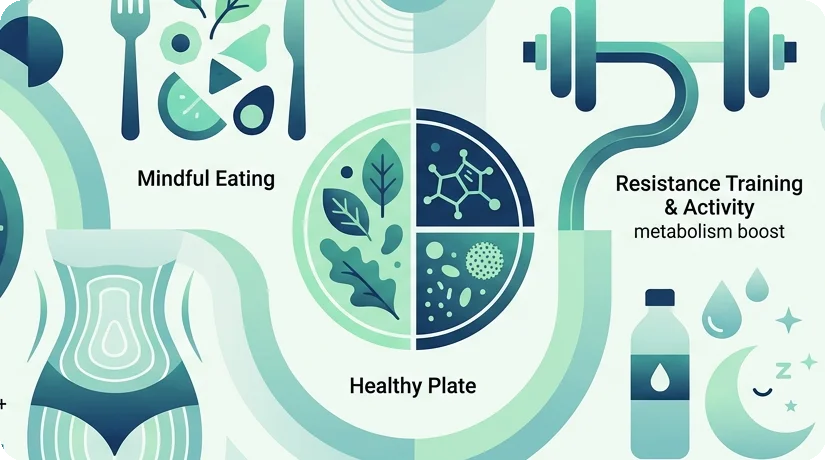
For many women, the journey to lose weight can feel different after turning 40. What once worked effortlessly might now seem like an uphill battle, often due to a natural slowdown in metabolism, hormonal shifts like perimenopause and menopause, and a tendency to lose muscle mass. However, understanding these changes and adapting your strategy can make all the difference. This guide will explore effective, evidence-based methods for women over 40 to achieve sustainable weight loss and improve overall health.
Why is Losing Weight After 40 Different for Women?
Understanding the unique physiological changes that occur in women after 40 is the first step toward successful weight management. These shifts primarily revolve around hormones, metabolism, and body composition.
Hormonal Shifts: Perimenopause and Menopause
Around the age of 40, many women enter perimenopause, the transitional period leading up to menopause. During this time, estrogen levels fluctuate wildly before eventually declining. This decrease in estrogen can influence how your body stores fat, often leading to increased abdominal fat accumulation. For women navigating these changes, understanding the intricate link between hormonal shifts like estrogen decline during perimenopause and menopause and their impact on weight gain is crucial for effective management. Hormonal changes can also impact mood, sleep, and energy levels, all of which indirectly affect weight.
Metabolic Slowdown
As we age, our resting metabolic rate (RMR), the number of calories our body burns at rest, naturally decreases. This slowdown means that even if your activity levels haven't changed, you might be burning fewer calories than you did in your 20s or 30s. If caloric intake isn't adjusted accordingly, weight gain can easily occur.
Loss of Muscle Mass (Sarcopenia)
Starting in our 30s and accelerating after 40, we tend to lose muscle mass at a rate of 3-8% per decade. Muscle tissue is more metabolically active than fat tissue, meaning it burns more calories even when you're at rest. A decline in muscle mass further contributes to a slower metabolism, making weight loss more challenging.
What Nutritional Changes Are Key for Weight Loss After 40?
Nutrition plays a paramount role in weight loss at any age, but it becomes even more critical after 40. Focusing on nutrient-dense foods and being mindful of your caloric intake is essential. Beyond macronutrients, ensuring an adequate intake of essential micronutrients is key to supporting a healthy metabolism, which can naturally slow down after 40.
- Prioritize Protein: To support muscle mass retention and increase satiety, integrating high-protein recipes into your daily diet is an effective strategy for women aiming for weight loss after 40. Beyond just quantity, focusing on lean protein sources like chicken, fish, beans, lentils, and Greek yogurt at every meal can help preserve muscle mass, boost satiety, and has a higher thermic effect (meaning your body burns more calories digesting it).
- Embrace Fiber-Rich Foods: Foods high in fiber, such as fruits, vegetables, whole grains, and legumes, help you feel full longer, stabilize blood sugar levels, and support digestive health.
- Choose Healthy Fats: Incorporate healthy fats from sources like avocados, nuts, seeds, and olive oil. These are crucial for hormone health and satiety, though they are calorie-dense, so moderation is key.
- Reduce Processed Foods and Added Sugars: These contribute empty calories, lead to blood sugar spikes, and often lack essential nutrients. Focusing on whole, unprocessed foods is a cornerstone of effective weight management.
- Mind Your Portions: Even healthy foods can lead to weight gain if consumed in excess. Paying attention to portion sizes and understanding your caloric needs is vital. Tools like the AI Weight Coach can help you track your intake and manage your calories and macros effectively, providing personalized insights to keep you on track.
- Stay Hydrated: Drinking plenty of water can aid metabolism, reduce hunger, and improve overall bodily functions. Sometimes, thirst can be mistaken for hunger.
How Can Exercise Help Women Over 40 Lose Weight?
Exercise is not just about burning calories; it's about building and maintaining muscle, improving bone density, boosting mood, and enhancing overall health. A balanced exercise routine is crucial for women over 40.
- Strength Training is Non-Negotiable: To counteract age-related muscle loss and boost a slowing metabolism, incorporating regular strength training specifically designed for women over 40 is paramount. This can include weightlifting, bodyweight exercises, or resistance band workouts. Building and maintaining muscle mass is one of the most effective strategies for long-term weight management and metabolic health after 40.
- Cardiovascular Exercise for Heart Health: Aim for at least 150 minutes of moderate-intensity cardio or 75 minutes of vigorous-intensity cardio per week. Activities like brisk walking, jogging, cycling, swimming, or dancing are excellent for cardiovascular health and calorie expenditure.
- Prioritize Flexibility and Balance: Yoga, Pilates, and stretching can improve flexibility, balance, and reduce the risk of injury, which becomes increasingly important with age.
- Listen to Your Body: Recovery is just as important as the workout itself. Ensure you're giving your body adequate rest and not overtraining, which can lead to injury or burnout.
What Lifestyle Factors Impact Weight Loss for Women Over 40?
Beyond diet and exercise, several lifestyle factors significantly influence a woman's ability to lose weight after 40.
Stress Management
Chronic stress can elevate cortisol levels, a hormone linked to increased appetite and fat storage, particularly around the abdomen. Incorporating stress-reducing activities like meditation, yoga, deep breathing exercises, spending time in nature, or engaging in hobbies can be incredibly beneficial.
Quality Sleep
Sleep deprivation disrupts hormones that regulate hunger (ghrelin) and satiety (leptin), leading to increased cravings and poor food choices. Aim for 7-9 hours of quality sleep per night. Establishing a consistent sleep schedule and creating a relaxing bedtime routine can help.
Building Sustainable Habits
True weight loss success isn't about quick fixes; it's about making sustainable lifestyle changes. The AI Weight Coach app can be a powerful partner in this by helping you set realistic goals, track your progress, and build healthy habits step-by-step, ensuring you develop routines that fit your life long-term.
Should I Talk to My Doctor About Weight Loss After 40?
Before embarking on any significant weight loss journey, especially after 40, it's always a good idea to consult with your healthcare provider. They can help rule out any underlying medical conditions that might be impacting your weight, such as thyroid issues or other hormonal imbalances. They can also offer personalized advice based on your medical history and current health status.
Conclusion
Losing weight after 40 for women requires a holistic and informed approach. By understanding the unique challenges related to hormonal changes, metabolism, and muscle loss, and by implementing strategies focused on balanced nutrition, consistent strength training, and healthy lifestyle habits, you can achieve your weight loss goals. Remember that consistency, patience, and self-compassion are key to sustainable success. Embrace this new phase of life with empowerment, knowing that with the right tools and mindset, you can feel strong, healthy, and vibrant.
Disclaimer: This article provides general information and is not a substitute for professional medical advice. Always consult with a qualified healthcare provider for any health concerns or before making any changes to your diet, exercise, or lifestyle routines.