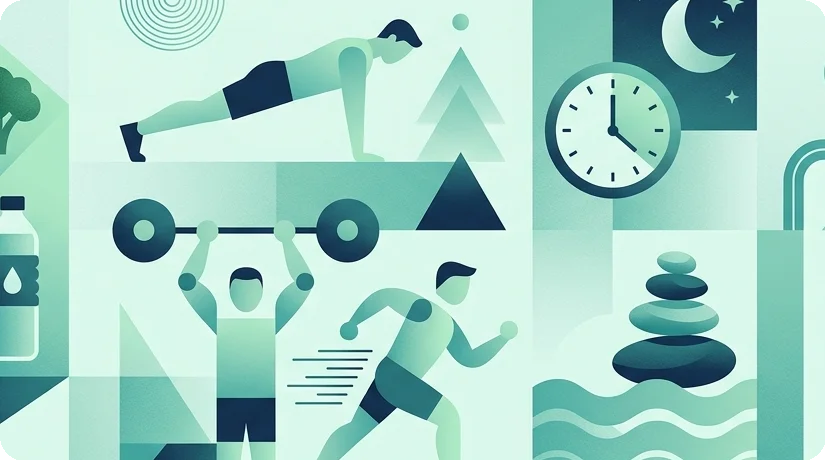
For men looking to reduce belly fat, the most effective strategy involves a consistent calorie deficit achieved through dietary adjustments, combined with regular strength training and cardiovascular exercise, improved sleep quality, and effective stress management. This holistic approach targets overall fat loss, which in turn reduces abdominal fat.
Why is Belly Fat a Concern for Men?
Belly fat, particularly visceral fat that surrounds internal organs, is more than just a cosmetic concern. For men, excessive abdominal fat is strongly linked to an increased risk of serious health issues, including heart disease, type 2 diabetes, certain cancers, and metabolic syndrome. Understanding the specific health dangers associated with visceral fat can provide a powerful incentive for men to prioritize its reduction.
While subcutaneous fat (the pinchable fat just under the skin) also contributes to waist size, visceral fat is considered metabolically active and more dangerous. Men tend to store fat in the abdominal area more readily than women, especially as they age, making targeted strategies for this region particularly important for long-term health.
What Role Does Nutrition Play in Reducing Belly Fat?
Nutrition is arguably the most critical component when it comes to shedding belly fat. You cannot out-exercise a poor diet. Focusing on nutrient-dense foods and controlled portions will drive the calorie deficit needed for fat loss.
How Can I Create a Calorie Deficit Safely?
The fundamental principle of fat loss is consuming fewer calories than your body burns. Mastering effective calorie deficit strategies is paramount, as sustained fat loss hinges on consistently consuming fewer calories than your body expends. To achieve a calorie deficit, aim to reduce your daily intake by 300-500 calories. This can be done by making smarter food choices and being mindful of portion sizes. Tools like the AI Weight Coach can help you accurately track your intake and ensure you're consistently meeting your calorie targets without feeling deprived.
Rapid, drastic cuts are often unsustainable and can lead to nutrient deficiencies or muscle loss. A gradual, consistent deficit is more effective for sustainable fat loss and overall well-being. Focus on whole, unprocessed foods that provide satiety.
Why is Prioritizing Protein Intake Important?
Protein is a powerhouse nutrient for fat loss. It helps you feel fuller for longer, reducing overall calorie intake. Furthermore, a high protein intake helps preserve muscle mass while you're in a calorie deficit, which is crucial because muscle burns more calories at rest than fat does. Aim for lean protein sources like chicken breast, fish, lean beef, eggs, dairy, and plant-based options like lentils and beans.
How Do Fiber-Rich Foods Help Reduce Belly Fat?
Fiber-rich foods, especially soluble fiber, are incredibly beneficial for shrinking your waistline. Soluble fiber forms a gel with water in your digestive system, slowing down digestion, promoting satiety, and stabilizing blood sugar levels. This can significantly reduce cravings and overeating. Incorporate plenty of fruits, vegetables, whole grains, nuts, and seeds into your daily diet.
What Foods Should Men Limit to Lose Belly Fat?
To effectively lose belly fat, it's crucial to significantly limit your intake of refined carbohydrates and sugary drinks. These include white bread, pastries, sugary cereals, sodas, and fruit juices with added sugar. These foods provide little nutritional value, are quickly digested, and often lead to spikes in blood sugar and insulin, promoting fat storage in the abdominal area.
Reducing alcohol consumption is also key. Alcohol contributes 'empty' calories, can impair fat burning, and is often linked to increased visceral fat, particularly the dreaded 'beer belly.' Moderation or elimination can make a significant difference.
How Can Healthy Fats Contribute to Belly Fat Loss?
While the goal is fat loss, incorporating healthy fats is vital. Monounsaturated and polyunsaturated fats, found in avocados, nuts, seeds, olive oil, and fatty fish (like salmon), are crucial for hormone production, nutrient absorption, and satiety. They can help reduce inflammation and provide sustained energy, indirectly supporting your weight loss goals without directly causing fat accumulation.
How Can Exercise Target Belly Fat?
Exercise complements dietary changes by burning calories, building muscle, and improving overall metabolic health. While you can't spot-reduce belly fat with specific ab exercises alone, a balanced exercise routine will help you lose fat from all over your body, including your midsection.
Why is Strength Training Essential for Men's Belly Fat Loss?
Strength training is a game-changer for fat loss. Integrating targeted strength training workouts for men not only builds muscle, which boosts metabolism, but also plays a crucial role in sculpting the physique and reducing overall body fat, including in the abdominal area. Focus on compound movements like squats, deadlifts, bench presses, and rows, which engage multiple muscle groups and are highly effective for burning calories and stimulating muscle growth. Aim for 2-4 strength training sessions per week.
What Type of Cardio is Best for Reducing Belly Fat?
Cardiovascular exercise is excellent for burning calories and improving heart health. Incorporate a mix of moderate-intensity steady-state cardio (like brisk walking, jogging, or cycling) and high-intensity interval training (HIIT). HIIT, which involves short bursts of intense exercise followed by brief recovery periods, has been shown to be particularly effective for fat loss, including visceral fat, in a shorter amount of time. Aim for 150-300 minutes of moderate cardio or 75-150 minutes of vigorous cardio per week.
Can Specific Ab Exercises Get Rid of Belly Fat?
While crunches and planks can strengthen your abdominal muscles, they do not directly burn the fat covering them. Think of it this way: you can build strong abs underneath, but if there's a layer of fat on top, they won't be visible. Abdominal exercises are important for core strength and stability, but true belly fat reduction comes from overall fat loss driven by diet and comprehensive exercise. Integrate core work into your routine, but don't rely on it as your primary belly fat solution.
Are Lifestyle Factors Important for Losing Belly Fat?
Beyond diet and exercise, several lifestyle factors significantly impact your ability to lose and keep off belly fat.
How Does Stress Management Impact Belly Fat?
Chronic stress triggers the release of cortisol, a hormone that, when elevated for prolonged periods, can lead to increased fat storage, particularly in the abdominal area. Finding effective ways to manage stress—such as meditation, yoga, spending time in nature, or engaging in hobbies—is crucial for your overall health and for reducing belly fat. Prioritize relaxation and mental well-being as much as physical activity.
Why is Prioritizing Quality Sleep Crucial?
Sleep deprivation wreaks havoc on your hormones, particularly those that regulate appetite (ghrelin and leptin). Lack of sleep can increase ghrelin (the hunger hormone) and decrease leptin (the satiety hormone), leading to increased cravings for high-calorie, sugary foods and greater calorie intake. Aim for 7-9 hours of quality sleep per night to support optimal hormone balance and metabolic function.
Does Hydration Play a Role in Losing Belly Fat?
Staying adequately hydrated is fundamental for overall health and can indirectly support fat loss. Water helps with metabolism, nutrient transport, and can even help you feel fuller, potentially reducing your overall calorie intake. Replace sugary drinks with water, and aim to drink plenty throughout the day.
How AI Weight Coach Can Support Your Journey
Embarking on a journey to lose belly fat requires consistency, knowledge, and personalized support. AI Weight Coach offers a powerful platform to track your nutrition, monitor your exercise progress, and provide tailored insights to keep you on track. With intelligent tools for meal planning, calorie and macro tracking, and progress visualization, AI Weight Coach can simplify the complexities of fat loss and empower you to make informed decisions for lasting results.
Your Path to a Healthier Midsection
Losing belly fat as a man is a challenging but achievable goal that significantly benefits your health. It requires a multifaceted approach focusing on a consistent calorie deficit, a protein- and fiber-rich diet, regular strength training and cardio, sufficient sleep, and effective stress management. Consistency and patience are key; celebrate small victories and stay committed to your long-term health.
Disclaimer: This article provides general information and is not a substitute for professional medical advice. Always consult with a healthcare provider or qualified nutritionist before making significant changes to your diet, exercise routine, or lifestyle, especially if you have underlying health conditions.