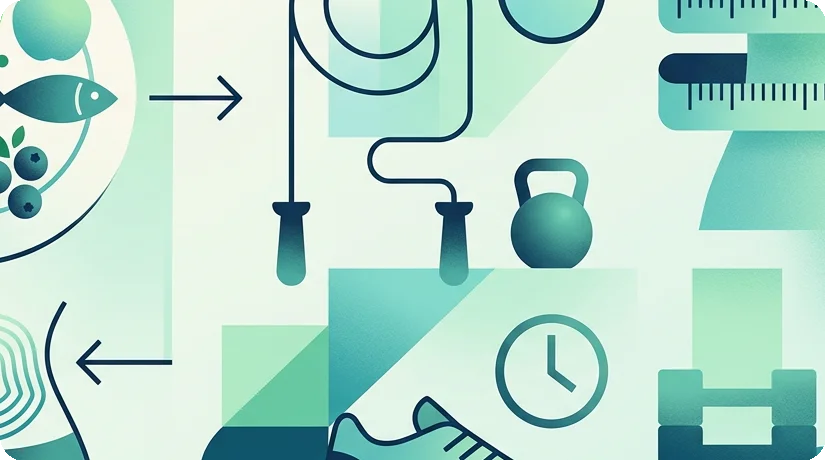
While the desire to lose belly fat quickly is common, it's crucial to understand that there's no single "fast" magic bullet for targeted fat reduction; the myth of spot reduction prevents focusing on comprehensive strategies for lasting results. Rapid fat loss, particularly from the abdominal area, primarily results from a consistent, holistic commitment to healthier lifestyle choices. This includes maintaining a consistent calorie deficit through balanced nutrition, engaging in regular physical activity, effectively managing stress, and ensuring sufficient, quality sleep. It’s a comprehensive process that prioritizes overall fat loss to reveal a leaner midsection, rather than promising instant, localized results.
What is Belly Fat and Why is it Important to Lose?
Belly fat isn't just one type of fat; it's generally categorized into two main types:
- Subcutaneous Fat: This is the fat you can pinch just under your skin. While excess amounts can be aesthetically concerning, it poses fewer direct health risks than visceral fat.
- Visceral Fat: This is the more dangerous type of fat that surrounds your internal organs deep within your abdominal cavity. High levels of visceral fat are strongly linked to serious health problems. Understanding visceral fat risks highlights why reducing this dangerous type of fat is critical for preventing serious health issues like Type 2 diabetes and heart disease.
Health Risks Associated with Excess Visceral Fat:
Excess visceral fat is not merely an aesthetic concern; it's a significant health risk factor. It's metabolically active, releasing inflammatory compounds and hormones that can disrupt bodily functions. High visceral fat levels are associated with an increased risk of:
- Type 2 diabetes
- Heart disease
- High blood pressure
- High cholesterol
- Stroke
- Certain cancers
- Sleep apnea
Therefore, focusing on reducing overall body fat, and especially visceral fat, is a critical step towards improving long-term health and well-being.
Can You Target Belly Fat Specifically? The Truth About Spot Reduction
One of the most persistent myths in fitness is the idea of "spot reduction" – the belief that you can burn fat from a specific area of your body by exercising that area more. Unfortunately, research consistently shows that spot reduction is not effective for losing fat. While you can strengthen specific muscles (like your abdominal muscles through crunches or planks), these exercises alone won't make the fat on top of those muscles disappear.
Your body decides where to lose fat from first, which is largely genetically predetermined. When you create a calorie deficit, your body draws energy from fat stores throughout your entire body, not just from the areas you're exercising. Therefore, to lose belly fat, the strategy must be overall fat loss through a combination of diet and exercise.
What Dietary Changes Help Reduce Belly Fat?
Nutrition plays the most significant role in fat loss. Here are key dietary strategies to help reduce belly fat:
- Achieve a Calorie Deficit: This is the cornerstone of all fat loss. You must consume fewer calories than your body burns. Tools like AI Weight Coach can help you accurately track your intake and create a sustainable deficit.
- Prioritize Protein: Eating adequate protein helps you feel fuller for longer, reduces cravings, and helps preserve lean muscle mass during weight loss, which is crucial for a healthy metabolism. Aim for a protein source at every meal.
- Load Up on Fiber-Rich Foods: Especially soluble fiber, found in oats, beans, apples, and citrus fruits. Soluble fiber can help reduce visceral fat by promoting satiety and improving gut health.
- Choose Healthy Fats: Incorporate monounsaturated (avocados, olive oil, nuts) and polyunsaturated fats (fatty fish, seeds) in moderation. These are vital for hormone production and overall health, but remember they are calorie-dense.
- Limit Sugary Drinks and Refined Carbs: Sugary beverages (soda, sweetened juices) and refined carbohydrates (white bread, pastries) are major culprits in visceral fat accumulation. They spike blood sugar, leading to insulin release and fat storage, particularly around the belly.
- Reduce Alcohol Intake: Alcohol provides empty calories and can interfere with fat metabolism. Excessive alcohol consumption is directly linked to increased abdominal fat (the so-called "beer belly").
- Stay Hydrated: Drinking plenty of water can help with satiety, boost metabolism, and is essential for overall bodily functions.
What Exercises Are Best for Losing Belly Fat?
While exercise won't spot-reduce fat, it's indispensable for overall fat loss, building muscle, and boosting metabolism. A combination of cardiovascular and strength training is most effective:
-
Cardiovascular Exercise (Cardio):
- Moderate-Intensity Cardio: Activities like brisk walking, jogging, swimming, or cycling for 30-60 minutes most days of the week are excellent for effective cardio for overall fat loss, burning calories and improving cardiovascular health.
- High-Intensity Interval Training (HIIT): Short bursts of intense exercise followed by brief recovery periods. HIIT can be highly effective for burning calories and fat in a shorter amount of time, with an added post-exercise calorie burn effect.
-
Strength Training:
- Building muscle mass through lifting weights or bodyweight exercises helps boost your resting metabolism, meaning you burn more calories even when you're not exercising. Focus on compound movements that work multiple muscle groups.
-
Core Exercises:
- While crunches and planks won't directly burn belly fat, they will strengthen your abdominal muscles. A strong core is vital for posture, preventing back pain, and supporting your spine, contributing to a more toned appearance once fat is lost.
How Do Lifestyle Factors Impact Belly Fat?
Beyond diet and exercise, several lifestyle factors significantly influence belly fat accumulation and loss:
- Stress Management: Chronic stress elevates cortisol levels, a hormone that can promote fat storage, especially visceral fat. Practices like meditation, yoga, deep breathing, and spending time in nature can help manage stress.
- Adequate Sleep: Sleep deprivation disrupts hormones that regulate appetite (ghrelin and leptin) and increases cortisol. Aim for 7-9 hours of quality sleep per night to support healthy weight management and reduce belly fat.
- Mindful Eating: Paying attention to your hunger and fullness cues, eating slowly, and being present during meals can help prevent overeating and improve digestion.
How Can AI Weight Coach Help You Lose Belly Fat?
Embarking on a journey to lose belly fat can feel overwhelming, but you don't have to do it alone. AI Weight Coach offers a comprehensive, personalized approach to help you implement these strategies effectively:
- Personalized Nutrition Plans: Get tailored meal plans and calorie targets that align with your goals and preferences, making it easier to maintain a sustainable calorie deficit.
- Macro and Calorie Tracking: Effortlessly track your food intake to ensure you're meeting your nutritional goals without guesswork.
- Progress Monitoring: Visualize your progress over time, staying motivated as you see the results of your hard work.
- Behavioral Support: Develop healthier habits and overcome challenges with guidance focused on sustainable lifestyle changes, not just quick fixes.
By leveraging the smart tools and personalized insights from AI Weight Coach, you can build a consistent, effective strategy for reducing overall body fat, including from your midsection.
Important Considerations and Disclaimer
Losing belly fat sustainably is a marathon, not a sprint. Focus on creating consistent, healthy habits that you can maintain long-term. Remember that individual results will vary based on genetics, lifestyle, and adherence to a program.
Disclaimer: This article provides general information and is not intended to be medical advice. Always consult with a qualified healthcare professional or registered dietitian before making significant changes to your diet, exercise routine, or if you have any health concerns. Do not start any new diet or exercise program without professional medical guidance, especially if you have underlying health conditions.