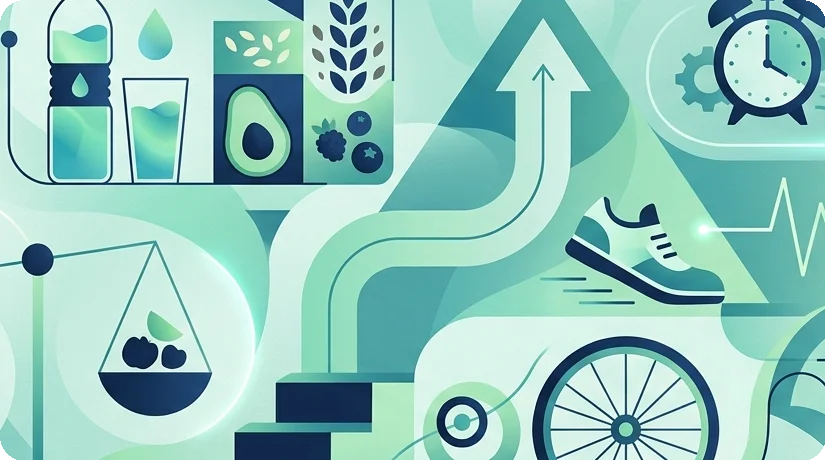
Losing 10 pounds in a month is an ambitious but often achievable goal for many individuals, particularly when approached with a strategic combination of dietary adjustments, increased physical activity, and healthy lifestyle changes. To aim for this rate of weight loss, which averages about 2.5 pounds per week, you typically need to create a consistent daily caloric deficit of approximately 500-750 calories, while prioritizing sustainable habits that support overall well-being. This guide will walk you through evidence-based strategies to help you pursue this goal safely and effectively.
Is Losing 10 Pounds in a Month Healthy and Realistic?
For many, particularly those with a higher starting weight, losing 10 pounds in a month (roughly 2.5 pounds per week) can be a realistic and healthy goal. The Centers for Disease Control and Prevention (CDC) generally recommends a gradual weight loss of 1 to 2 pounds per week for sustainable results. While 2.5 pounds per week is on the higher end, it's often achievable with focused effort without resorting to extreme measures that could compromise your health.
It's important to understand that the rate of weight loss can vary significantly among individuals due to factors like metabolism, starting weight, body composition, genetics, and activity level. Understanding how metabolism truly works can help individuals set realistic expectations, which is why it's useful to explore metabolism myths debunked to gain a clearer perspective. Rapid weight loss is more common at the beginning of a weight loss journey as the body sheds water weight. Always consult with a healthcare professional before making significant changes to your diet or exercise routine, especially if you have underlying health conditions.
What Dietary Changes Are Key to Creating a Calorie Deficit?
Diet plays the most significant role in creating the necessary calorie deficit for weight loss. Focusing on nutrient-dense foods while reducing caloric intake is paramount.
Focus on Whole, Unprocessed Foods
- Embrace Fruits and Vegetables: These are low in calories, high in fiber, and packed with essential vitamins and minerals. Aim for a variety of colors to ensure a broad spectrum of nutrients.
- Choose Lean Proteins: Incorporate sources like chicken breast, turkey, fish, eggs, legumes, tofu, and lean cuts of beef. Protein helps with satiety, preserves muscle mass during weight loss, and has a higher thermic effect (meaning your body burns more calories digesting it).
- Opt for Whole Grains: Instead of refined grains, choose whole wheat bread, brown rice, quinoa, and oats. They provide sustained energy and fiber, which aids digestion and keeps you full longer.
Prioritize Protein and Fiber
Eating enough protein and fiber is crucial for managing hunger and maintaining muscle mass. Protein helps to reduce appetite and prevent muscle loss, which is vital for keeping your metabolism active. For those aiming to effectively create a calorie deficit while maintaining satiety and nutrient intake, focusing on high-protein, low-calorie recipes is a highly recommended dietary strategy. Fiber-rich foods add bulk to your meals, making you feel fuller on fewer calories and supporting healthy digestion.
Reduce Sugary Drinks and Processed Snacks
Liquid calories from sodas, sweetened teas, and fruit juices often add significant calories without contributing to satiety. Similarly, processed snacks like chips, cookies, and candy are typically high in calories, unhealthy fats, and added sugars but low in nutritional value. Eliminating these can create a substantial calorie deficit.
Practice Mindful Eating and Portion Control
Pay attention to your hunger and fullness cues. Eat slowly, savor your food, and avoid distractions during meals. Understanding appropriate portion sizes is also key to managing calorie intake effectively. Tools like the AI Weight Coach can be incredibly helpful here, offering robust macro tracking and meal planning features that guide you toward optimal portion sizes and nutrient distribution.
How Does Exercise Contribute to Losing 10 Pounds?
While diet is king for weight loss, exercise significantly enhances your efforts by burning additional calories, improving metabolism, and boosting overall health.
Incorporate Cardiovascular Exercise
Incorporating effective cardio for overall fat loss is a powerful way to boost your daily calorie expenditure and support your weight loss goals. Aim for at least 150-300 minutes of moderate-intensity aerobic activity or 75-150 minutes of vigorous-intensity activity per week. This could include brisk walking, jogging, cycling, swimming, or dancing. High-Intensity Interval Training (HIIT) can also be very effective for burning calories in a shorter amount of time and boosting post-exercise metabolism.
Don't Forget Strength Training
Engage in strength training exercises 2-3 times per week. Building muscle mass is critical because muscle burns more calories at rest than fat, thus boosting your basal metabolic rate. You can use bodyweight exercises, free weights, or resistance bands.
Increase NEAT (Non-Exercise Activity Thermogenesis)
Look for opportunities to move more throughout your day beyond structured workouts. Take the stairs instead of the elevator, walk during phone calls, stand more often, or park further away. These small increases in activity can add up to a significant number of burned calories over a month.
What Lifestyle Factors Support Rapid but Healthy Weight Loss?
Beyond diet and exercise, several lifestyle factors play a crucial role in supporting your weight loss goals.
Prioritize Sleep
Lack of sleep can disrupt hormones that regulate appetite (ghrelin and leptin), leading to increased hunger and cravings, especially for high-calorie foods. Aim for 7-9 hours of quality sleep per night to support your body's metabolic functions and overall well-being.
Manage Stress
Chronic stress can elevate cortisol levels, a hormone that can promote fat storage, particularly around the abdomen, and increase cravings. Incorporate stress-reducing activities into your daily routine, such as meditation, yoga, deep breathing exercises, or spending time in nature.
Stay Hydrated
Drinking enough water is essential for metabolism, digestion, and satiety. Sometimes, your body can confuse thirst with hunger. Drinking a glass of water before meals can help you feel fuller and potentially eat less. Aim for at least 8 glasses (about 2 liters) of water daily.
Consistency and Tracking
Consistency is the bedrock of any successful weight loss journey. Regularly tracking your food intake, exercise, and progress can help you stay accountable and make necessary adjustments. The AI Weight Coach app provides intuitive tools to monitor your progress, helping you stick to your plan and celebrate milestones along the way.
What Should You Avoid When Trying to Lose Weight Quickly?
While the goal is to lose weight quickly, it's crucial to avoid methods that are unsustainable or harmful:
- Extreme Calorie Restriction: Severely cutting calories (e.g., below 1200 kcal/day for women or 1500 kcal/day for men without medical supervision) can be detrimental, leading to nutrient deficiencies, muscle loss, and a slower metabolism.
- Unrealistic Expectations: Expecting instant or effortless results can lead to demotivation. Weight loss is a journey, and some weeks may show more progress than others.
- Relying on Fad Diets: Many fad diets promise quick fixes but are often unsustainable and lack essential nutrients, leading to rebound weight gain.
When Should You Consult a Healthcare Professional?
Before embarking on any significant weight loss plan, especially one aiming for 10 pounds in a month, it's always recommended to consult with a doctor or a registered dietitian. They can provide personalized advice, assess your current health status, and help determine if this goal is appropriate and safe for you.
Disclaimer:
The information provided in this blog post is for educational purposes only and is not intended as medical advice. Always consult with a qualified healthcare professional before making any decisions about your health, diet, or exercise regimen, especially if you have existing medical conditions.
Losing 10 pounds in a month is an ambitious goal that requires dedication and a strategic approach. By focusing on a balanced diet, consistent exercise, and supportive lifestyle habits, you can work towards achieving your weight loss objectives safely and sustainably. Remember, the ultimate goal is not just to lose weight, but to cultivate lasting healthy habits for a better quality of life.