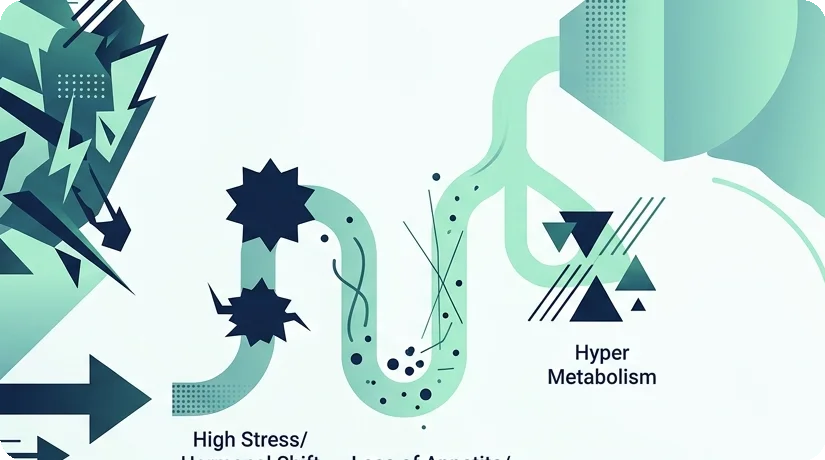
Stress is a ubiquitous part of modern life, and contrary to the common misconception, stress significantly impacts weight. While often associated with weight gain due to comfort eating and hormonal shifts, it can also paradoxically lead to weight loss. This unintentional weight reduction is often a result of complex physiological and behavioral responses that prioritize immediate survival and can disrupt normal eating patterns and metabolic function. Understanding the mechanisms behind how stress causes weight loss is crucial for comprehensive health management.
Does Stress Always Lead to Weight Loss, or Can It Cause Gain?
It’s important to clarify that stress can manifest in different ways, and its impact on weight is highly individual and depends on the type, duration, and severity of the stressor. While many people experience weight gain through hormonal shifts, particularly elevated cortisol levels, which can impact fat storage and cravings, acute or severe chronic stress can indeed trigger weight loss.
The distinction often lies in the body's initial "fight-or-flight" response versus the prolonged adaptation to chronic stress. Initially, the body gears up for immediate action, which can suppress appetite and increase energy expenditure. However, if stress becomes a long-term fixture, the body's compensatory mechanisms can shift, leading to different outcomes, including potential weight gain for some.
What Are the Immediate Physiological Mechanisms of Stress-Related Weight Loss?
When you encounter a stressful situation, your body activates its sympathetic nervous system, initiating a cascade of responses designed for survival. These immediate reactions can directly contribute to weight loss:
- Fight-or-Flight Hormones: The adrenal glands release adrenaline (epinephrine) and noradrenaline (norepinephrine). These hormones increase heart rate, blood pressure, and respiratory rate, while also redirecting blood flow to muscles and away from digestive organs. This surge of energy requires more calories to fuel the body's heightened state of alert.
- Increased Metabolic Rate: With adrenaline pumping, your metabolism speeds up. Your body starts burning through stored energy (glucose from glycogen, then fat) more rapidly to prepare for action, leading to a higher calorie expenditure even without increased physical activity.
- Appetite Suppression: Corticotropin-releasing hormone (CRH), released from the hypothalamus, is a key player in the stress response. CRH can act as a natural appetite suppressant, reducing hunger signals in the brain during acute stress. This immediate dampening of appetite can cause individuals to eat less, sometimes even skipping meals entirely.
- Digestive Disturbances: Stress often impacts the gastrointestinal system significantly. Many people experience symptoms like nausea, indigestion, stomach cramps, diarrhea, or constipation under stress. These issues can reduce food intake, impair nutrient absorption, and lead to unintentional weight loss due to discomfort or a lack of desire to eat.
How Can Chronic or Severe Stress Contribute to Unintentional Weight Loss?
While the immediate responses are powerful, prolonged or very severe stress can also continue to drive weight loss through several mechanisms that extend beyond the initial fight-or-flight:
- Sustained Energy Demand: Even without the intense surge of acute stress, chronic stress keeps the body in a state of mild alert. This sustained activation can maintain a slightly elevated metabolic rate over time, leading to a cumulative calorie deficit if food intake doesn't increase to match.
- Muscle Catabolism: In severe, chronic stress, especially when combined with inadequate nutrition, the body may enter a catabolic state. This means it starts breaking down its own tissues, including muscle protein, to provide energy (gluconeogenesis) or raw materials for repair. Loss of muscle mass contributes directly to weight loss and can significantly impact strength and overall health.
- Sleep Disruption: Stress is a major disruptor of sleep. Poor sleep quality or insufficient sleep can negatively impact hormones that regulate hunger (ghrelin) and satiety (leptin). While often linked to increased appetite and weight gain, severe sleep deprivation can also lead to reduced energy for preparing meals, diminished desire to eat, and altered digestive function, contributing to weight loss in some individuals.
- Behavioral Changes and Neglect of Self-Care: When under immense stress, individuals may neglect self-care practices crucial for healthy weight maintenance. This can include:
- Skipping meals or eating irregularly.
- Forgetting to eat due to preoccupation with stressors.
- Reduced focus on preparing nutritious meals, opting for highly processed foods or nothing at all.
- Increased physical activity as a coping mechanism (e.g., restlessness, pacing, fidgeting) without corresponding caloric intake.
- Loss of enjoyment in food, leading to reduced consumption.
- Malabsorption: Persistent digestive issues caused by chronic stress can impair the body's ability to absorb nutrients from food, even if adequate calories are consumed. This can lead to nutritional deficiencies and further weight loss.
Is Stress-Induced Weight Loss Healthy or Sustainable?
It's crucial to understand that weight loss resulting from stress is rarely healthy or sustainable. Unlike intentional weight loss achieved through balanced nutrition and regular physical activity, stress-induced weight loss often comes at the cost of muscle mass, essential nutrients, and overall well-being. It can lead to:
- Nutrient deficiencies
- Weakened immune function
- Fatigue and low energy
- Loss of muscle strength
- Exacerbated mental health issues
If you are experiencing unintentional weight loss due to stress, it's a signal that your body and mind are under significant strain, and addressing the root cause is paramount.
Strategies for Managing Stress and Supporting Healthy Weight Goals
Rather than viewing stress-induced weight loss as a positive, focus on healthy stress management to support your overall health and maintain a balanced weight. Here's how:
- Identify and Address Stressors: Pinpoint the sources of stress in your life and explore ways to mitigate them. This might involve setting boundaries, delegating tasks, or seeking professional help for unresolved issues.
- Practice Stress Reduction Techniques: Incorporate daily practices like mindfulness meditation, deep breathing exercises, yoga, spending time in nature, or engaging in hobbies. These can activate the parasympathetic nervous system, promoting relaxation.
- Prioritize Quality Sleep: Aim for 7-9 hours of quality sleep per night. Establish a consistent sleep schedule and create a relaxing bedtime routine to improve sleep hygiene.
- Maintain Balanced Nutrition: Even when stressed, try to eat regular, nutritious meals. Focus on whole foods, lean proteins, healthy fats, and complex carbohydrates to provide sustained energy and essential nutrients.
- Engage in Regular Physical Activity: Exercise is a powerful stress reliever. Incorporating stress-reducing workouts, such as yoga or tai chi, can help mitigate the physiological responses to stress, promoting overall well-being and a balanced metabolism. It releases endorphins, improves mood, and can help regulate appetite and metabolism. Choose activities you enjoy to make it sustainable.
- Seek Social Support: Connect with friends, family, or support groups. Sharing your feelings and experiences can reduce feelings of isolation and provide coping strategies.
- Professional Guidance: If stress feels overwhelming or uncontrollable, consider speaking with a therapist, counselor, or healthcare provider. They can offer strategies and support for managing stress effectively.
How AI Weight Coach Can Help You Navigate Stress and Weight
While AI Weight Coach focuses on helping you achieve sustainable weight loss through healthy habits, it also implicitly supports stress management by promoting structure and mindful living. Our app can help you:
- Establish Consistent Routines: By offering tools for meal planning and macro tracking, AI Weight Coach encourages regular eating patterns, which can mitigate the impact of stress on meal skipping or erratic eating.
- Foster Mindful Eating: The app can guide you towards mindful eating practices to help individuals reconnect with their body's hunger and satiety cues, fostering healthier food choices, even when stress might otherwise distort them.
- Focus on Sustainable Habits: AI Weight Coach emphasizes long-term behavioral changes rather than quick fixes, providing a stable framework for your nutrition and activity goals, which can reduce decision fatigue often exacerbated by stress.
Remember, your well-being encompasses both physical and mental health. Addressing stress is a vital component of any healthy weight management journey.
Disclaimer: This article is for informational purposes only and does not constitute medical advice. Always consult with a qualified healthcare professional before making any decisions related to your health or starting any new diet or exercise program, especially if you are experiencing unintentional weight loss or significant stress.