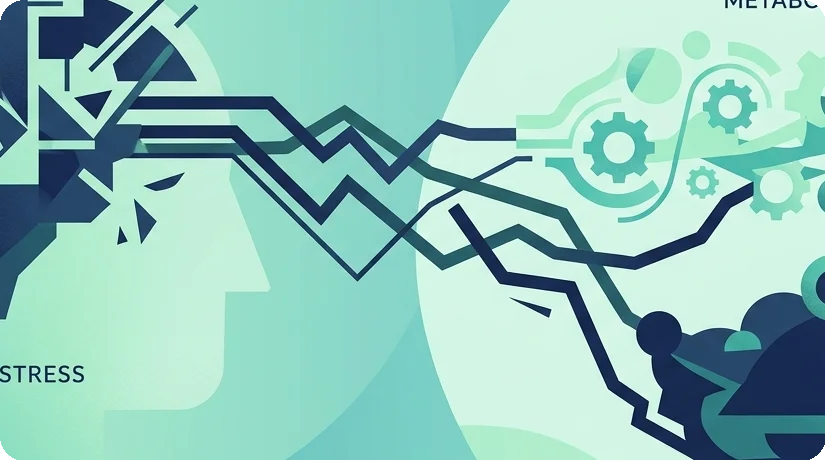
In our fast-paced world, stress has become an unwelcome constant for many. While its impact on mental well-being is widely recognized, fewer people realize the profound connection between chronic stress and physical weight gain. Stress isn't just a feeling; it's a powerful physiological response that can directly influence your body's metabolism, fat storage, and eating habits, making weight loss efforts significantly harder. As this post clarifies how stress genuinely impacts your metabolism, it's also helpful to address common misconceptions. Understanding metabolism myths can prevent missteps in your weight management journey.
What Happens in Your Body When You're Stressed?
When you encounter a stressful situation, your body activates its ancient “fight or flight” response. This is a survival mechanism designed to help you quickly escape danger. Here's a breakdown of the key physiological changes:
- Adrenaline and Noradrenaline Surge: Your adrenal glands release these hormones, preparing your body for immediate action. Your heart rate increases, blood pressure rises, and energy (glucose) is mobilized from storage to fuel your muscles. While useful for escaping a predator, in modern life, this response often occurs without physical exertion, leading to elevated blood sugar levels with no immediate use.
- The Cortisol Connection: If the stress continues, your body shifts to a longer-term stress response, primarily involving the hormone cortisol. Cortisol is often dubbed the “stress hormone” because its levels remain elevated during chronic stress. Its primary roles include maintaining blood sugar levels and suppressing inflammation. However, sustained high cortisol levels have several weight-promoting effects:
- Increased Fat Storage: Cortisol signals your body to store fat, particularly in the abdominal area. This visceral fat, located around your organs, is metabolically active and linked to a higher risk of heart disease and type 2 diabetes. Learning more about the dangers of visceral fat can empower readers to take targeted action.
- Appetite Stimulation: High cortisol can increase your appetite, especially for sugary, fatty, and salty foods. These foods provide a quick burst of energy and can temporarily activate reward pathways in the brain, offering a fleeting sense of comfort.
- Insulin Resistance: Chronic stress can contribute to insulin resistance, where your cells become less responsive to insulin. This means your body has to produce more insulin to manage blood sugar, which further encourages fat storage.
- Slowed Metabolism: Some research suggests that chronic stress may lead to a slight decrease in metabolic rate, meaning you burn fewer calories at rest.
- Inflammation: Prolonged stress can lead to chronic low-grade inflammation in the body, which is linked to weight gain and various metabolic health issues.
How Does Stress Influence Your Eating Habits and Lifestyle?
Beyond the direct hormonal impact, stress also profoundly affects your behavior, often leading to choices that contribute to weight gain:
- Emotional Eating: Many people turn to food as a coping mechanism for stress, sadness, boredom, or anxiety. This often involves craving “comfort foods” that are high in calories, sugar, and unhealthy fats. These foods provide a temporary sense of relief but lead to guilt and ultimately, weight gain.
- Sleep Deprivation: Stress frequently disrupts sleep patterns, leading to restless nights or insomnia. Lack of sleep throws hunger-regulating hormones out of balance. Ghrelin, the hunger hormone, increases, while leptin, the satiety hormone, decreases. This makes you feel hungrier and less satisfied, often leading to increased calorie intake.
- Reduced Physical Activity: When stressed, you might feel too tired, overwhelmed, or unmotivated to exercise. Physical activity is not only crucial for burning calories but also an excellent stress reliever. Skipping workouts removes this dual benefit.
- Poor Food Choices and Preparation: High stress levels can reduce your motivation and time for meal planning and cooking healthy meals. This often leads to relying on convenient, processed, or fast foods, which are typically calorie-dense and nutrient-poor.
- Increased Alcohol Consumption: Some individuals cope with stress by increasing alcohol intake. Alcohol itself is calorie-dense and can lower inhibitions, making it easier to overeat.
Practical Strategies to Combat Stress-Related Weight Gain
Understanding the link between stress and weight is the first step. The next is to develop effective strategies to manage stress, which in turn can support your weight management goals. Here are some evidence-based approaches:
Mindful Stress Reduction Techniques
- Practice Mindfulness and Meditation: Even a few minutes a day can help calm your nervous system, reduce cortisol levels, and improve your ability to cope with stressors. Apps and online guides can make this accessible.
- Deep Breathing Exercises: Simple diaphragmatic breathing can quickly activate your body's relaxation response, lowering heart rate and blood pressure.
- Yoga or Tai Chi: These practices combine physical movement with mindfulness, offering both stress reduction and gentle exercise. Incorporating regular physical activity, especially specific stress-reducing workouts like yoga or mindful walking, can effectively lower cortisol levels and mitigate the physiological impacts of chronic stress.
- Spend Time in Nature: Being outdoors can significantly reduce stress and improve mood.
Lifestyle Adjustments for Better Weight Management
- Prioritize Quality Sleep: Aim for 7-9 hours of sleep per night. Establish a consistent sleep schedule and create a relaxing bedtime routine to improve sleep quality.
- Regular Physical Activity: Engage in activities you enjoy. Exercise is a powerful stress reliever and helps burn calories. It doesn't have to be intense; even daily walks can make a difference.
- Balanced Nutrition: Focus on whole, unprocessed foods. Lean proteins, fiber-rich vegetables, fruits, and healthy fats can help stabilize blood sugar, keep you feeling full, and provide essential nutrients to support your body's stress response. Avoiding excessive sugar and processed foods can also mitigate cravings often triggered by stress.
- Identify and Address Emotional Eating Triggers: Pay attention to when and why you eat. Are you truly hungry, or are you seeking comfort? AI Weight Coach can be a valuable tool here, helping you track your food intake and mood, revealing patterns of stress-induced eating. This awareness is crucial for breaking the cycle.
- Seek Social Support: Connecting with friends, family, or support groups can provide emotional resilience and practical advice during stressful times.
- Time Management and Boundaries: Learning to say no, delegating tasks, and setting realistic expectations can reduce feelings of overwhelm.
Recognizing how stress impacts your weight is empowering. By actively managing stress and making conscious lifestyle choices, you can regain control over your health and body composition. Tools like AI Weight Coach can assist by providing structured guidance for nutrition and helping you stay accountable, even when stress levels are high. Remember, weight loss isn't just about calories in, calories out; it's also about understanding the intricate interplay of hormones, habits, and your environment.
Disclaimer:
This article provides general information and is not a substitute for professional medical advice. Always consult with a qualified healthcare provider before making any decisions about your health, diet, or exercise regimen, especially if you have underlying health conditions.