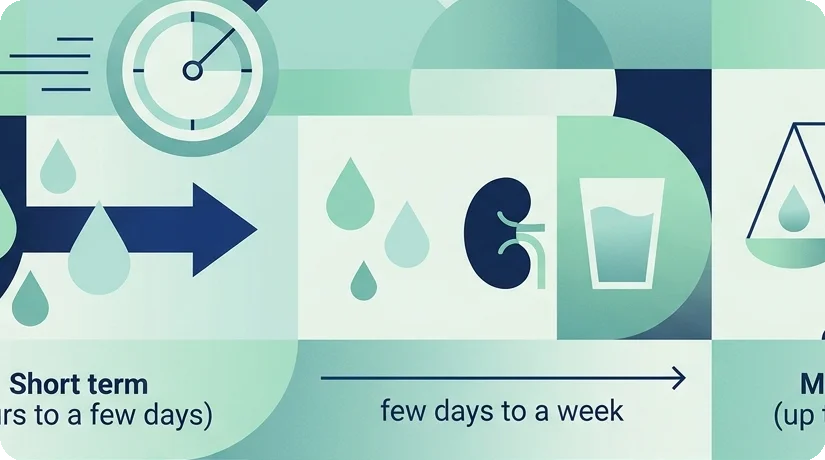
If you've ever stepped on the scale and seen a number higher than expected, only for it to drop significantly a day or two later, you've likely experienced the phenomenon of "water weight." This temporary fluctuation in body weight can be frustrating, especially when you're working hard on your health and fitness goals. The good news is that losing water weight often happens quite rapidly, typically within a few days to a week, once you identify and address its common triggers. In some cases, you might even notice a difference in as little as 24-48 hours.
What Exactly Is Water Weight (Fluid Retention)?
Water weight, medically known as fluid retention or edema, and often contributes to temporary weight fluctuations, refers to the excess fluid that accumulates in the body's tissues and cavities. Your body is about 50-60% water, and this fluid is crucial for countless bodily functions, from regulating temperature to lubricating joints. However, when your body holds onto more water than necessary, it can lead to bloating, puffiness, and a temporary increase on the scale. To effectively manage the discomfort of bloating associated with fluid retention, exploring specific eating patterns like anti-bloating diets can be highly beneficial.
This excess fluid isn't stored as fat; rather, it's held outside your cells (extracellular fluid) or within your tissues. It's a natural, often harmless, response to various dietary, hormonal, and lifestyle factors. While frustrating, understanding its causes is the first step toward managing it effectively.
What Are the Common Causes of Water Weight Gain?
Many factors can contribute to your body holding onto extra water. Identifying your personal triggers can help you make targeted adjustments to reduce fluid retention:
1. High Sodium Intake
This is perhaps the most common culprit. When you consume too much sodium (salt), your body tries to maintain a specific sodium-to-water ratio. To dilute the excess sodium, your body retains more water, leading to bloating and increased weight.
2. Carbohydrate Consumption
Carbohydrates are stored in your muscles and liver as glycogen. For every gram of glycogen stored, your body stores approximately 3-4 grams of water. This is why people often experience rapid initial weight loss on low-carb diets – much of it is water weight associated with depleted glycogen stores.
3. Dehydration
It might seem counterintuitive, but not drinking enough water can actually cause your body to retain more fluid. When you're dehydrated, your body enters a "survival mode," holding onto its existing water supply to prevent further depletion. Staying well-hydrated signals to your body that it doesn't need to hoard water. Maintaining optimal hydration with a variety of Hydrating Drinks for Optimal Health is crucial for regulating fluid balance and supporting kidney function, which helps prevent the body from holding onto excess water.
4. Hormonal Fluctuations
Women often experience water retention due to hormonal changes, particularly during the menstrual cycle. Fluctuations in estrogen and progesterone can lead to bloating and puffiness in the days leading up to and during menstruation.
5. Lack of Physical Activity
Regular movement helps circulate fluids throughout your body. Prolonged periods of sitting or standing can cause fluid to pool in your extremities, leading to swelling.
6. Stress and Sleep Deprivation
High stress levels increase cortisol, a hormone that can influence fluid balance and lead to water retention. Similarly, insufficient sleep can disrupt hormone regulation, contributing to fluid imbalances.
7. Certain Medications
Some medications, including certain blood pressure drugs, corticosteroids, and anti-inflammatory drugs, can cause fluid retention as a side effect. Always consult with your healthcare provider if you suspect a medication is causing significant fluid retention.
Practical Strategies to Safely Reduce Water Weight
The good news is that many strategies to reduce water weight are simple, healthy lifestyle habits that benefit your overall well-being:
1. Hydrate Adequately
Drink plenty of water throughout the day. This might sound counterintuitive, but proper hydration signals to your body that it doesn't need to hold onto excess fluid. Aim for at least 8-10 glasses (2-2.5 liters) daily, more if you're active or in a hot climate.
2. Manage Sodium Intake
Reduce your consumption of processed foods, canned goods, fast food, and salty snacks, which are often loaded with sodium. Opt for fresh, whole foods and season with herbs and spices instead of excessive salt. Reading food labels can help you track your sodium intake.
3. Balance Carbohydrate Consumption
Instead of drastically cutting carbs, focus on consuming complex carbohydrates from whole grains, fruits, and vegetables in moderation. Sudden, drastic carbohydrate restriction can lead to rapid water loss, but it's not sustainable and can deplete energy levels.
4. Increase Electrolyte Balance (Potassium & Magnesium)
Electrolytes like potassium and magnesium play a crucial role in maintaining fluid balance. Increase your intake of potassium-rich foods like bananas, spinach, avocados, sweet potatoes, and tomatoes. Magnesium can be found in leafy greens, nuts, seeds, and whole grains.
5. Get Regular Physical Activity
Exercise helps improve circulation, which can prevent fluid from pooling in your extremities. It also makes you sweat, which expels some excess water and sodium. Aim for at least 30 minutes of moderate-intensity exercise most days of the week.
6. Prioritize Quality Sleep
Aim for 7-9 hours of quality sleep per night. Good sleep helps regulate hormones, including those that affect fluid balance.
7. Reduce Stress Levels
Incorporate stress-reducing activities into your daily routine, such as meditation, yoga, deep breathing exercises, or spending time in nature. Managing stress can help lower cortisol levels and reduce water retention.
8. Consider Diuretic Foods & Drinks (Naturally)
Some natural foods and drinks have mild diuretic properties that can help your body shed excess water. These include cucumbers, celery, asparagus, watermelon, parsley, and green tea. However, rely on these in moderation and as part of a balanced diet, rather than as a primary solution.
Is Losing Water Weight the Same as Losing Body Fat?
It's crucial to understand that losing water weight is not the same as losing body fat. While a reduction in water weight can make you feel lighter and less bloated, it's a temporary change that doesn't reflect true body composition alterations. Fat loss is a slower, more sustained process that occurs when you consistently consume fewer calories than you burn over time.
For sustainable, long-term fat loss, focusing on consistent lifestyle changes is key. Tools like the AI Weight Coach can provide personalized meal plans, macro tracking, and behavioral insights to help you build habits that support genuine, lasting progress, not just temporary water fluctuations.
When Should You Be Concerned About Fluid Retention?
While occasional water retention is usually harmless, persistent, severe, or unexplained swelling can be a sign of an underlying health condition. If you experience significant swelling in your legs, ankles, hands, or face that doesn't resolve with lifestyle changes, or if it's accompanied by pain, shortness of breath, or other concerning symptoms, it's important to consult a healthcare professional. They can help diagnose the cause and recommend appropriate treatment.
Conclusion
Losing water weight can happen relatively quickly – often within 24-72 hours or up to a week – by addressing factors like high sodium intake, dehydration, and hormonal changes. Implementing healthy habits such as adequate hydration, balanced nutrition, regular exercise, and stress management are key strategies. Remember, while rapid water weight loss can be motivating, true progress on your weight loss journey comes from sustainable habits focused on reducing body fat. The AI Weight Coach is designed to support you every step of the way by providing personalized guidance and tools to help you achieve lasting results and understand your body better.
Disclaimer: This article provides general information and is not a substitute for professional medical advice. Always consult with a qualified healthcare provider before making any changes to your diet, exercise routine, or health regimen, especially if you have underlying health conditions.