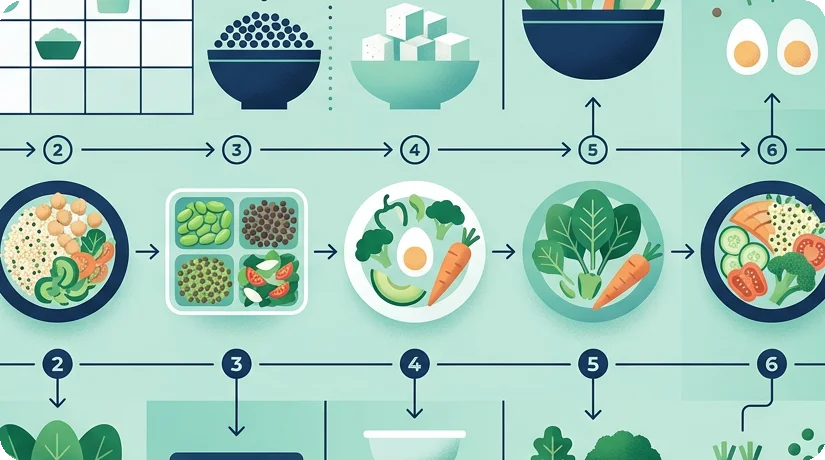
Embarking on a weight loss journey as a vegetarian requires thoughtful meal planning to ensure you're getting enough protein while managing calorie intake. To create high-protein, low-calorie vegetarian meals, focus on combining plant-based protein powerhouses like lentils, chickpeas, tofu, tempeh, edamame, and Greek yogurt (for lacto-vegetarians) with an abundance of non-starchy vegetables such as spinach, broccoli, bell peppers, and zucchini. These ingredients provide essential amino acids, promote satiety, and support muscle mass, which are crucial elements for effective and sustainable weight management. To optimize your journey, consider the broader strategies involved in effective Vegetarian Diets for Weight Loss, focusing on nutrient density and sustained satiety.
Why Is High Protein Important for Weight Loss?
Protein is a cornerstone nutrient for anyone looking to lose weight, and vegetarians are no exception. Here’s why it's so critical:
- Increased Satiety: Protein is renowned for its ability to keep you feeling fuller for longer. Compared to carbohydrates or fats, protein has a higher satiety index, meaning it helps curb hunger and reduces overall calorie intake by minimizing snacking and overeating.
- Muscle Preservation: When you’re in a calorie deficit, there’s a risk of losing muscle mass along with fat. A high protein intake helps to preserve lean muscle, which is metabolically active and supports a healthier metabolism.
- Thermic Effect of Food (TEF): Protein requires more energy to digest, absorb, and metabolize than other macronutrients. This "thermic effect" means you burn more calories simply by eating and processing protein-rich foods.
- Reduced Cravings: Stable blood sugar levels, often supported by protein and fiber, can help reduce cravings for sugary or highly processed foods, making it easier to stick to your dietary goals.
What Are the Best Vegetarian Protein Sources for Low-Calorie Meals?
Vegetarian diets offer a diverse array of protein sources that are naturally low in calories and rich in other essential nutrients. Incorporating a variety ensures you get all necessary amino acids. Understanding the full spectrum of Plant-Based Protein Sources is crucial for crafting balanced and satisfying vegetarian meals for weight management.
Legumes
Beans, lentils, and chickpeas are superstars in the vegetarian world. They are packed with protein and fiber, promoting fullness without adding excessive calories.
- Lentils: Versatile and quick-cooking, great in soups, stews, salads, or as a meat substitute in tacos.
- Chickpeas: Excellent for making hummus, roasted snacks, or added to salads and curries.
- Black Beans/Kidney Beans: Perfect for chili, bean burgers, or a side dish.
Soy Products
Tofu and tempeh are complete protein sources, meaning they contain all nine essential amino acids. They are also highly versatile and absorb flavors well.
- Tofu: Firm or extra-firm tofu can be baked, grilled, stir-fried, or scrambled. It’s low in calories and provides a good amount of protein.
- Tempeh: A fermented soybean product with a firmer texture and nutty flavor. Great for grilling, marinating, or crumbling into sauces.
- Edamame: Whole, immature soybeans. Enjoy them steamed as a snack or added to salads and stir-fries.
Dairy and Eggs (for Lacto-Ovo Vegetarians)
If your vegetarian diet includes dairy and eggs, these offer convenient and excellent protein sources.
- Greek Yogurt: High in protein, low in fat (especially plain, non-fat varieties), and a good source of probiotics. Ideal for breakfast, snacks, or as a base for savory dips.
- Cottage Cheese: Another protein-rich dairy option, great on its own or with fruit/vegetables.
- Eggs: A complete protein, incredibly versatile for scrambles, omelets, hard-boiled snacks, or added to salads.
Grains and Seeds
While generally higher in carbs, certain grains and seeds contribute significantly to protein intake, especially when combined with other sources.
- Quinoa: A complete protein grain, excellent as a base for bowls or salads.
- Chia Seeds & Flax Seeds: While not high in total protein by volume, they offer a good boost along with fiber and healthy fats, especially in smoothies or yogurts.
- Hemp Seeds: Rich in protein and omega-3s, great sprinkled on salads or in smoothies.
How Can I Build a High Protein Low Calorie Vegetarian Meal?
Creating balanced, high-protein, low-calorie vegetarian meals involves a strategic approach to ingredient selection and portion control. Here’s a simple framework:
- Prioritize Protein: Make protein the star of your plate. Whether it's tofu, lentils, or Greek yogurt, ensure you have a substantial serving.
- Load Up on Non-Starchy Vegetables: Fill at least half your plate with low-calorie, high-fiber vegetables like leafy greens, broccoli, cauliflower, bell peppers, zucchini, mushrooms, and asparagus. They add volume and nutrients without many calories.
- Mind Your Healthy Fats: Include healthy fats in moderation (e.g., a small amount of avocado, a drizzle of olive oil, a sprinkle of nuts or seeds). While essential, fats are calorie-dense.
- Choose Complex Carbohydrates Wisely: Opt for whole grains like quinoa, brown rice, or a small sweet potato in controlled portions. These provide sustained energy and fiber.
- Flavor with Herbs and Spices: Instead of calorie-dense sauces, use fresh herbs, spices, lemon juice, and vinegar to add flavor without extra calories.
What Are Some Easy High Protein Low Calorie Vegetarian Meal Ideas?
Here are practical and delicious meal ideas to help you stay on track with your weight loss goals:
Breakfast
- Greek Yogurt Power Bowl: 1 cup plain non-fat Greek yogurt with 1/4 cup berries, 1 tbsp chia seeds, and a sprinkle of cinnamon.
- Tofu Scramble with Veggies: Crumbled firm tofu sautéed with spinach, bell peppers, onions, and turmeric, served with a side of salsa.
- Protein Smoothie: Unsweetened almond milk, a scoop of plant-based protein powder, spinach, and half a banana or berries.
Lunch
- Mediterranean Chickpea Salad: Mixed greens topped with 1/2 cup chickpeas, chopped cucumber, tomatoes, bell peppers, a few Kalamata olives, and a light lemon-tahini dressing.
- Lentil Soup: A hearty bowl of vegetable and lentil soup (ensure it’s broth-based and not cream-based).
- Stuffed Bell Peppers: Bell peppers filled with a mixture of cooked quinoa, black beans, corn, diced tomatoes, and spices, baked until tender.
Dinner
- Tofu or Tempeh Stir-Fry: Cubed extra-firm tofu or tempeh stir-fried with a generous amount of broccoli, snow peas, carrots, and mushrooms, seasoned with low-sodium soy sauce or tamari and ginger. Serve over a small portion of cauliflower rice or brown rice.
- Black Bean Burgers (Bun-less): Homemade black bean patty served over a large salad with plenty of greens, avocado, and a light vinaigrette.
- Veggie & Lentil Curry: A flavorful curry made with lentils, spinach, cauliflower, and your favorite spices, served with a small side of whole-grain flatbread or brown rice.
How Can AI Weight Coach Help with Vegetarian Meal Planning?
Navigating the world of high-protein, low-calorie vegetarian eating can feel complex, but with the right tools, it becomes much simpler. AI Weight Coach is designed to streamline your weight loss journey by providing personalized support.
Our app can help you effortlessly track your macros, ensuring you hit your protein targets while staying within your calorie goals. With access to a vast database of vegetarian recipes, AI Weight Coach can suggest meal ideas tailored to your preferences and dietary needs, helping you discover delicious ways to incorporate more plant-based protein into your diet. For more diverse culinary inspiration, explore our collection of High-Protein Recipes for Weight Loss, featuring a variety of options suitable for vegetarians and omnivores alike. Our personalized meal planning feature takes the guesswork out of what to eat, offering structured plans that align with your high-protein, low-calorie vegetarian goals.
Are There Any Common Pitfalls to Avoid?
Even with good intentions, some common mistakes can derail your progress:
- Hidden Calories in Sauces and Oils: Be mindful of dressings, cooking oils, and condiments. They can quickly add extra calories. Opt for oil-free dressings, use cooking spray, or measure oils carefully.
- Over-reliance on Processed Vegetarian Foods: Many vegetarian "meat substitutes" or frozen meals can be high in sodium, unhealthy fats, and refined carbs. Prioritize whole, unprocessed foods.
- Not Enough Fiber: While many vegetarian protein sources are fibrous, ensure you’re also consuming a wide variety of non-starchy vegetables to maximize fiber intake, which is crucial for satiety and digestive health.
- Ignoring Portion Sizes: Even healthy, protein-rich foods have calories. Pay attention to recommended serving sizes, especially for grains, nuts, and seeds.
- Insufficient Protein Variety: Relying on just one or two protein sources might lead to nutrient gaps. Mix it up to ensure you're getting a complete spectrum of amino acids and micronutrients.
Disclaimer:
This article provides general information and is not a substitute for professional medical advice. Always consult with a qualified healthcare provider or registered dietitian before making significant changes to your diet, especially if you have underlying health conditions or specific dietary needs.