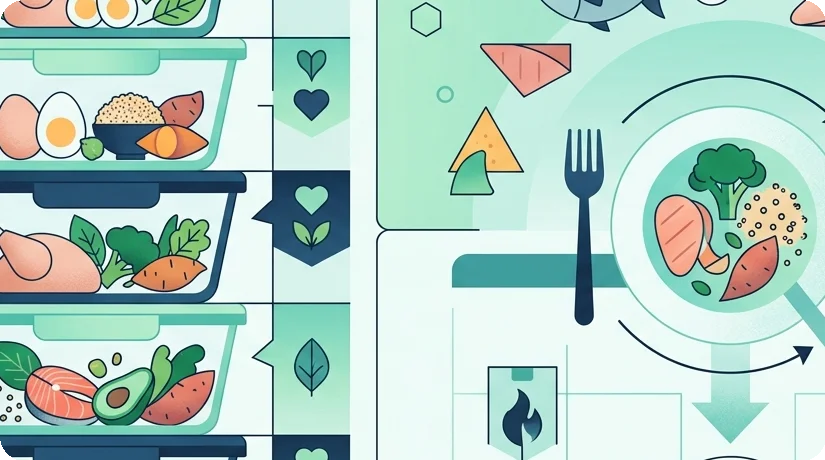
Embarking on a weight loss journey often means making smarter food choices and developing consistent habits. One of the most effective strategies for achieving these goals is high-protein, low-calorie meal prep. Understanding the role of dietary protein for weight loss is key to maximizing the benefits of your meal prep, ensuring you hit your protein targets while staying within your calorie goals. This approach involves planning and preparing meals in advance that are rich in lean protein and fiber while keeping overall calorie counts in check, helping you feel fuller for longer and adhere to your dietary goals more easily.
Why is High Protein Low Calorie Meal Prep Effective for Weight Loss?
Integrating high-protein, low-calorie meals into your weekly routine offers several scientifically-backed advantages for weight management:
- Enhanced Satiety: Protein is renowned for its ability to promote a feeling of fullness more effectively than carbohydrates or fats. By including ample protein in your meals, you can significantly reduce hunger pangs and decrease the likelihood of overeating or snacking on unhealthy options between meals. Successful weight loss hinges on maintaining a consistent calorie deficit, which high-protein, low-calorie meal prep makes more manageable by reducing hunger, helping you achieve your goals without feeling deprived.
- Muscle Preservation: When you reduce calorie intake for weight loss, there's a risk of losing not just fat but also valuable muscle mass. A higher protein intake helps to preserve lean muscle tissue, which is metabolically active and contributes to a healthier metabolism. Maintaining muscle mass is vital for long-term weight management and body composition.
- Increased Thermic Effect of Food (TEF): Protein has a higher thermic effect compared to carbs and fats. This means your body expends more energy (calories) to digest, absorb, and metabolize protein. While not a massive calorie burner, this slight boost in energy expenditure contributes to your overall calorie deficit.
- Blood Sugar Stability: Meals rich in protein and fiber, especially when paired with complex carbohydrates, help to stabilize blood sugar levels. This prevents rapid spikes and crashes that can lead to energy dips and cravings for sugary foods, making it easier to stick to your meal plan.
- Portion Control and Convenience: Meal prepping eliminates guesswork and last-minute unhealthy choices. By portioning out meals in advance, you know exactly what you're eating, making it simpler to track your calorie and macro intake. This convenience reduces the temptation to grab fast food or less nutritious options when hunger strikes.
What Are Some High Protein Low Calorie Breakfast Ideas for Meal Prep?
Starting your day with a protein-packed meal sets the tone for sustained energy and satiety. Here are some meal-prep friendly breakfast ideas:
- Overnight Protein Oats: Combine rolled oats, protein powder (whey, casein, or plant-based), chia seeds, unsweetened almond milk, and a handful of berries in a jar. Store in the fridge overnight. You can also add a dollop of Greek yogurt for extra creaminess and protein.
- Egg Muffins/Frittatas: Whisk eggs with your favorite low-calorie vegetables like spinach, bell peppers, onions, and mushrooms. Pour into muffin tins and bake until set. These can be stored in the fridge for several days and reheated quickly.
- Cottage Cheese and Fruit Bowls: Layer low-fat cottage cheese with fresh berries or sliced peaches. A sprinkle of cinnamon or a few chopped nuts (in moderation) adds flavor and healthy fats. Cottage cheese is an excellent source of slow-digesting protein.
- Greek Yogurt Parfaits: Layer plain, non-fat Greek yogurt with a small amount of granola (for crunch) and a variety of berries. Greek yogurt is incredibly high in protein and can be customized with various toppings.
How Can I Create High Protein Low Calorie Lunches and Dinners?
The core of high-protein, low-calorie lunches and dinners lies in selecting lean protein sources, abundant non-starchy vegetables, and smart, controlled portions of complex carbohydrates. Here’s a breakdown of components and ideas:
Lean Protein Sources
These should form the centerpiece of your meals:
- Poultry: Chicken breast, turkey breast (skinless).
- Fish: Cod, tilapia, salmon, tuna (packed in water), shrimp.
- Lean Meats: Extra-lean ground beef/turkey, sirloin steak (trimmed of fat).
- Plant-Based: Tofu, tempeh, edamame, lentils, black beans, chickpeas.
- Dairy/Eggs: Egg whites, cottage cheese (as a side or mixed in).
Non-Starchy Vegetables
Load up on these for fiber, vitamins, and minerals with minimal calories:
- Broccoli, cauliflower, Brussels sprouts, green beans, asparagus
- Spinach, kale, Swiss chard, mixed greens
- Bell peppers, zucchini, cucumber, mushrooms, onions
- Tomatoes, celery, radishes
Smart Carb Choices (in moderation)
Include these for sustained energy, focusing on whole grains and complex carbs in controlled portions:
- Quinoa, brown rice, wild rice
- Sweet potatoes, baked potatoes
- Whole-wheat pasta (small portions)
- Legumes (also a protein source): lentils, black beans, chickpeas
Meal Prep Lunch & Dinner Examples:
- Chicken & Veggie Stir-fry: Cook sliced chicken breast with a medley of broccoli, bell peppers, carrots, and snap peas. Season with low-sodium soy sauce or tamari, ginger, and garlic. Serve with a small portion of brown rice or quinoa.
- Baked Salmon with Roasted Asparagus: Season salmon fillets with lemon and herbs, then bake or air-fry. Roast asparagus spears with a drizzle of olive oil. Optionally, add a small side of sweet potato.
- Turkey Chili: Prepare a large batch of chili using lean ground turkey, kidney beans, black beans, diced tomatoes, onions, and various spices. It's hearty, high in protein and fiber, and freezes well.
- Lentil Soup/Stew: A fantastic plant-based option. Cook lentils with carrots, celery, onions, spinach, and vegetable broth. Season well. Great for multiple servings.
- Lean Steak Salad Bowls: Grill or pan-sear lean steak, slice thinly, and serve over a bed of mixed greens with cucumber, cherry tomatoes, and a light vinaigrette. Add chickpeas or black beans for extra fiber.
- Tuna Salad Lettuce Wraps: Mix canned tuna (in water) with Greek yogurt instead of mayo, celery, and herbs. Serve in large lettuce cups for a crunchy, low-carb meal.
What Are Good High Protein Low Calorie Snacks for Meal Prep?
Don't forget snacks! Prepping these can prevent impulsive, less healthy choices:
- Pre-portioned Greek Yogurt: Keep individual containers of plain, non-fat Greek yogurt handy.
- Hard-Boiled Eggs: Cook a batch at the beginning of the week for quick grabs.
- Cottage Cheese Cups: Similar to breakfast, small containers are perfect.
- Edamame (Steamed): A great source of plant-based protein and fiber.
- Veggies and Hummus: Celery sticks, bell pepper strips, or cucumber slices with a small portion of hummus.
- Protein Shakes: Prepare single-serving baggies of protein powder to mix with water or unsweetened almond milk on the go. AI Weight Coach can help you track these and ensure they fit your daily macros.
Practical Tips for Successful High Protein Low Calorie Meal Prep
To make your meal prep journey smooth and sustainable, consider these practical tips:
- Plan Your Menu: Dedicate some time each week to plan your meals and snacks. To streamline your high-protein, low-calorie meal prep, consider exploring structured high-protein low-calorie meal plans that take the guesswork out of daily nutrition. This helps you create a comprehensive grocery list and avoid food waste.
- Choose Versatile Ingredients: Select proteins and vegetables that can be used in multiple recipes throughout the week to save time and money. For example, a batch of grilled chicken can be used in salads, wraps, or stir-fries.
- Batch Cook Proteins and Grains: Cook larger quantities of lean proteins (e.g., chicken breasts, ground turkey) and complex carbs (e.g., quinoa, brown rice) that can be portioned out into different meals.
- Invest in Good Containers: Airtight, microwave-safe containers are essential for keeping food fresh and reheating conveniently. Glass containers are often preferred for durability and ease of cleaning.
- Season Generously: Low-calorie doesn't mean low-flavor. Use herbs, spices, lemon juice, vinegar, and low-sodium marinades to make your meals delicious and exciting.
- Track Your Progress: Utilize an app like AI Weight Coach to log your meals, track your protein and calorie intake, and monitor your progress. This can provide valuable insights and keep you accountable.
- Start Simple: Don't try to meal prep every single meal for the entire week from day one. Begin by prepping 2-3 lunches or dinners, and gradually increase as you get more comfortable.
- Don't Be Afraid to Experiment: Discovering a variety of delicious high-protein low-calorie recipes can keep your meal prep exciting and prevent monotony, ensuring long-term adherence to your dietary goals. A varied diet ensures you get a wide range of nutrients and prevents meal fatigue.
By consistently incorporating high-protein, low-calorie meal prep into your routine, you can set yourself up for sustained weight loss success, improved energy levels, and better overall health. Remember, consistency is key, and tools like AI Weight Coach can be invaluable in guiding your choices and tracking your progress.
Disclaimer: The information provided in this blog post is for general educational purposes only and is not intended to be a substitute for professional medical advice, diagnosis, or treatment. Always seek the advice of your physician or other qualified health provider with any questions you may have regarding a medical condition or before making any dietary changes.