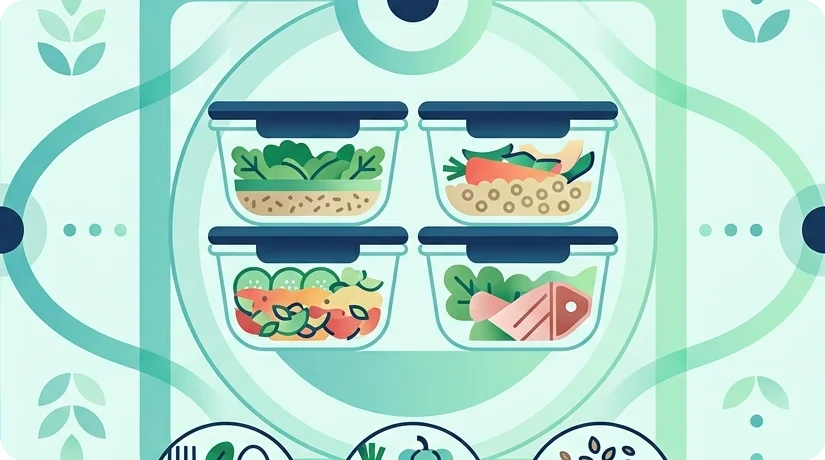
Healthy meal prep lunches involve planning and preparing balanced meals in advance, focusing on lean protein, complex carbohydrates, healthy fats, and plenty of vegetables. This strategic approach ensures you have nutritious, satisfying options readily available throughout your week, significantly aiding in weight management, boosting energy levels, and saving both time and money. By taking control of your midday meal, you reduce reliance on less healthy, spontaneous choices, making it easier to stick to your health and wellness goals.
Why is Meal Prepping for Lunch So Important for Weight Management?
In our busy lives, lunchtime can often become an afterthought, leading to quick, convenient, but often less-than-healthy choices. Meal prepping for lunch transforms this challenge into an opportunity for consistent, mindful eating. This proactive strategy offers several key benefits for anyone on a weight management journey.
Consistency and Habit Formation
One of the biggest hurdles in weight management is maintaining consistency. When healthy options are readily available, you're far more likely to choose them. Meal prepping builds a powerful habit of planning and conscious eating, reducing decision fatigue and increasing adherence to your dietary goals. It removes the guesswork and the temptation of fast food or unhealthy takeout, setting you up for success day after day.
Mindful Eating and Portion Control
Pre-portioned meals help you stay accountable to your caloric and macronutrient targets. When you prepare your lunches in advance, you can accurately measure ingredients and create balanced meals that align with your nutritional needs. This practice encourages mindful eating, as you're more aware of what and how much you're consuming, fostering a healthier relationship with food and supporting effective weight management. Implementing mindful eating practices alongside your meal prep can deepen your connection to food, helping you recognize true hunger and fullness cues.
Avoiding Unhealthy Impulses
Hunger can lead to poor decisions. When midday hunger strikes and you haven't planned, the allure of processed snacks, sugary drinks, or calorie-dense restaurant meals becomes strong. Having a delicious, healthy meal prepped and ready eliminates this dilemma. It empowers you to resist unhealthy impulses, saving you from extra calories, unhealthy fats, and added sugars that can derail your progress.
What are the Key Components of a Healthy Meal Prep Lunch?
A truly healthy meal prep lunch is balanced, satisfying, and packed with nutrients. Achieving this balance involves incorporating the right mix of macronutrients and micronutrients into each meal. Here’s a breakdown of the essential components:
Lean Protein Sources
Protein is crucial for satiety, muscle preservation, and metabolism. When selecting your meals, prioritizing high-protein recipes for weight loss can significantly boost satiety and support muscle preservation. Including a sufficient amount of lean protein in your lunch helps you feel fuller for longer, reducing the likelihood of snacking between meals. Excellent options include:
- Chicken or turkey breast: Versatile and low in fat.
- Fish: Salmon, cod, or tuna provide omega-3 fatty acids.
- Legumes: Lentils, chickpeas, and black beans are great plant-based proteins.
- Tofu or tempeh: Excellent for plant-based meal preppers.
- Eggs: Hard-boiled eggs are a convenient protein boost.
Complex Carbohydrates
Complex carbohydrates provide sustained energy, fiber, and essential nutrients. Unlike simple carbs, they are digested slowly, preventing blood sugar spikes and crashes that can leave you feeling sluggish. Incorporate options like:
- Quinoa: A complete protein and high in fiber.
- Brown rice: A whole grain staple.
- Sweet potatoes: Rich in vitamins and fiber.
- Whole-wheat pasta or bread: Choose whole grain versions for more fiber.
- Oats: Can be used in savory bowls or overnight oats.
Healthy Fats
Healthy fats are vital for hormone production, nutrient absorption, and also contribute to satiety. They are calorie-dense, so moderation is key, but don't skip them! Good sources include:
- Avocado: Fresh slices or mashed as a spread.
- Nuts and seeds: Almonds, walnuts, chia seeds, flax seeds.
- Olive oil: For dressings or cooking.
- Fatty fish: (Already mentioned in protein, but worth noting for fats too).
Abundant Vegetables
Vegetables are the cornerstone of a healthy diet, providing essential vitamins, minerals, antioxidants, and a significant amount of fiber with minimal calories. Fill half your plate with a variety of colorful vegetables to maximize nutrient intake and increase satiety. Options include:
- Leafy greens: Spinach, kale, mixed greens for salads.
- Cruciferous vegetables: Broccoli, cauliflower, Brussels sprouts (roast them in batches!).
- Colorful veggies: Bell peppers, carrots, cucumbers, cherry tomatoes.
How Do I Get Started with Healthy Lunch Meal Prepping?
Embarking on your meal prep journey can seem daunting at first, but with a structured approach, it becomes a simple and rewarding routine. Follow these steps to set yourself up for success:
1. Plan Your Menu
Dedicate some time (e.g., 30 minutes on a Sunday) to plan your meals for the week. To streamline your healthy meal prep further, consider leveraging high-protein low-calorie meal plans as a blueprint for varied and satisfying lunches. Consider your preferences, dietary needs, and what ingredients you already have. Look for recipes that are easy to scale and store well. AI Weight Coach can be an invaluable tool here, offering personalized recipe suggestions and meal planning templates that fit your calorie and macro goals, making the planning stage efficient and tailored to you.
2. Shop Smart
Once your menu is set, create a detailed grocery list. Stick to your list to avoid impulse purchases and ensure you have all the necessary ingredients. Prioritize fresh produce, lean proteins, and whole grains. Buying in bulk for staples like rice, quinoa, or frozen vegetables can also save money and time.
3. Cook in Batches
Choose one or two days (e.g., Sunday and Wednesday) for your main cooking sessions. Focus on cooking individual components in larger quantities. For example, roast a tray of chicken breasts, cook a large batch of quinoa or brown rice, chop all your vegetables, and prepare a homemade dressing. This streamlines the assembly process later.
4. Proper Storage
Invest in high-quality, airtight food containers. Glass containers are excellent as they are microwave-safe, dishwasher-safe, and don't retain odors. Portion your cooked ingredients into individual containers for each day's lunch. Ensure food is properly cooled before sealing and refrigerating to maintain freshness and prevent bacterial growth. Most prepped meals will last 3-4 days in the refrigerator.
What are Some Healthy Meal Prep Lunch Ideas?
Variety is the spice of life, and it’s also key to sustainable meal prepping. Here are some versatile and delicious ideas to inspire your healthy lunch rotation:
- Mason Jar Salads: Layer dressing at the bottom, followed by hard vegetables (carrots, bell peppers), grains, protein, and finally leafy greens on top. When ready to eat, simply shake into a bowl.
- Grain Bowls: A base of quinoa, brown rice, or farro topped with roasted vegetables (e.g., broccoli, sweet potatoes), a lean protein (grilled chicken, chickpeas), and a flavorful dressing or sauce.
- Stir-Fry in a Box: Cooked lean protein (shrimp, tofu) and plenty of colorful stir-fried vegetables (bell peppers, snap peas, carrots) with a light sauce, served alongside a small portion of brown rice or cauli-rice.
- Healthy Wraps or Lettuce Wraps: Fill whole-wheat tortillas or large lettuce leaves with hummus, sliced turkey or grilled chicken, a variety of fresh veggies, and a sprinkle of cheese if desired. Keep fillings separate until ready to assemble to prevent sogginess.
- Soup or Chili: Prepare a big pot of vegetable-rich soup or chili at the beginning of the week. Portion into containers and freeze some for later in the month. Pair with a whole-grain roll or a side salad.
- Mediterranean Mezze Box: A selection of hummus, whole-wheat pita bread, cucumber and tomato salad, olives, and grilled halloumi or feta cheese.
Remember to customize these ideas to your taste preferences and nutritional needs. Don't be afraid to experiment with different spices and herbs to keep meals exciting!
How Can AI Weight Coach Support Your Meal Prep Journey?
Meal prepping is a powerful strategy, and AI Weight Coach is designed to amplify your success. Our app provides personalized insights into your nutritional needs, helping you understand the ideal balance of protein, carbs, and fats for your weight loss goals. You can log your meal prepped lunches easily, track your intake, and see how your choices align with your daily targets. Furthermore, AI Weight Coach offers a vast library of healthy recipes, many of which are perfect for batch cooking and meal prepping, complete with nutritional information to make planning even easier. With AI Weight Coach, you gain a smart partner in making healthy eating, and especially healthy meal prepping, an integral and sustainable part of your lifestyle.
General Health Disclaimer
The information provided in this blog post is for general educational and informational purposes only, and does not constitute medical advice. It is not intended to diagnose, treat, cure, or prevent any disease. Always consult with a qualified healthcare professional or registered dietitian before making any significant changes to your diet, exercise routine, or starting any new health program, especially if you have any pre-existing medical conditions or concerns.