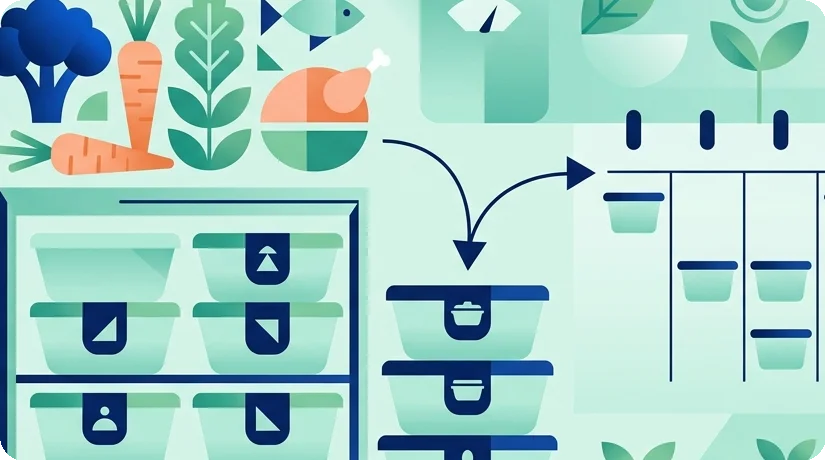
In today's fast-paced world, finding time to cook healthy dinners can be a significant challenge, often leading to reliance on less-than-ideal takeout or quick, processed options. Healthy meal prep dinners offer a powerful solution, making it easier to consistently make nutritious choices, manage portions, and ultimately support your weight loss journey. For those looking to streamline their weight loss efforts, structured high-protein, low-calorie meal plans provide an excellent framework, ensuring every meal supports your goals. By dedicating a few hours each week, you can stock your fridge with delicious, balanced meals that remove the guesswork and temptation from busy weeknights.
What are the key components of a healthy meal prep dinner?
Building a truly healthy meal prep dinner involves balancing macronutrients, prioritizing nutrient-dense ingredients, and ensuring variety to keep things interesting. The goal is to create meals that are satisfying, energizing, and promote sustained weight loss without feeling deprived.
- Lean Protein: Essential for satiety, muscle preservation, and metabolism. Understanding the role of dietary protein for weight loss is crucial, as it helps boost satiety and preserve muscle mass during calorie restriction, key aspects of healthy meal prep. Opt for chicken breast, turkey, lean ground beef, fish (salmon, cod, tuna), eggs, tofu, tempeh, or legumes like lentils and beans.
- Complex Carbohydrates: Provide sustained energy and fiber, which aids digestion and keeps you full. Good choices include quinoa, brown rice, sweet potatoes, whole wheat pasta, oats, and whole-grain bread.
- Healthy Fats: Crucial for hormone production, nutrient absorption, and long-term satiety. Incorporate avocados, nuts, seeds, olive oil, and fatty fish.
- Abundant Vegetables: Packed with vitamins, minerals, and fiber, vegetables add volume and nutrients with minimal calories. Aim for a wide array of colors, including leafy greens, broccoli, bell peppers, carrots, zucchini, and cauliflower.
When combining these components, think about creating meals that offer a good balance. For example, a dinner could be grilled chicken (lean protein), quinoa (complex carb), and a generous serving of roasted broccoli and bell peppers (vegetables), with a drizzle of olive oil (healthy fat).
How can I choose the best recipes for healthy meal prep?
Selecting the right recipes is crucial for successful and enjoyable meal prepping. Exploring a variety of high-protein, low-calorie recipes ensures your meal prep remains exciting, diverse, and highly effective for achieving your weight loss targets. Not all recipes are created equal when it comes to reheating or lasting power. Here are some tips for choosing meal prep-friendly options:
- Durability: Look for dishes that hold up well in the refrigerator for 3-4 days or freeze effectively. Soups, stews, chili, casseroles, roasted vegetables, and grains are often excellent choices. Delicate greens or crispy fried items might not fare as well.
- Versatility: Choose recipes where components can be mixed and matched or easily adapted. For instance, roasted chicken can be used in a salad, a wrap, or as part of a grain bowl.
- Simplicity: While gourmet meals are fun, for regular meal prep, simpler recipes with fewer ingredients often save time and reduce stress. Sheet pan meals, stir-fries, and one-pot dishes are fantastic for this.
- Flavor Development: Some dishes, like curries or chili, actually taste better the next day as the flavors meld.
Great Meal Prep Dinner Ideas:
- Sheet Pan Dinners: Combine chicken or sausage with various vegetables (broccoli, peppers, onions, sweet potatoes) and seasonings, roast on one pan.
- Grain Bowls: Prepare a base of quinoa or brown rice, add a protein (grilled chicken, chickpeas, black beans), roasted or fresh vegetables, and a healthy dressing.
- Stir-fries: Cook protein and a medley of vegetables with a light sauce. Keep sauce separate for best results if prepping for multiple days.
- Slow Cooker Meals: Chili, pulled chicken/pork, or beef stew can be made in large batches with minimal effort.
- Salad Jars: Layer dressing at the bottom, then hard vegetables, grains, protein, and finally leafy greens on top for a fresh salad that lasts.
What are practical tips for efficient healthy dinner meal prepping?
Effective meal prepping is a skill that improves with practice. Follow these practical tips to streamline your process and make it a sustainable habit:
- Plan Your Menu: Dedicate a specific time each week (e.g., Sunday morning) to plan your dinners for the upcoming 3-5 days. Consider what ingredients you already have and what meals you enjoy.
- Create a Grocery List: Based on your meal plan, make a detailed shopping list. Stick to this list at the store to avoid impulse buys and ensure you have all necessary ingredients.
- Batch Cook Staples: Cook larger quantities of staple ingredients that can be used in multiple meals. This might include a batch of brown rice or quinoa, roasted chicken breasts, hard-boiled eggs, or a big tray of roasted mixed vegetables.
- Invest in Good Containers: Airtight, portion-sized containers (glass is often preferred for reheating) are essential for keeping food fresh and making portion control easy.
- Prep Ingredients: Wash and chop all your vegetables, mince garlic, portion out proteins, and measure spices in advance. This saves a lot of time during the actual cooking process.
- Use Your Freezer Wisely: Some meals, like chili, stews, or baked chicken, freeze exceptionally well. Cook extra portions and freeze them for busy weeks, extending the life of your meal prep.
- Label and Date: Always label your containers with the meal name and date of preparation. This helps with food safety and ensures you eat meals within their optimal freshness window.
- Leverage Technology: Tools like the AI Weight Coach app can be invaluable. It can help you track your macros, find healthy recipes tailored to your goals, and even assist in planning your weekly meals, making it easier to ensure your prepped dinners align with your nutritional targets.
How does meal prepping support weight loss goals?
Meal prepping is more than just cooking in advance; it's a strategic tool for weight management:
- Portion Control: By portioning out meals into individual containers, you naturally control how much you eat, preventing overeating which is common when serving from a large pot or ordering takeout.
- Consistent Healthy Choices: When a healthy, delicious meal is already prepared, you're far less likely to succumb to unhealthy temptations or make impulsive, calorie-dense food choices due to hunger or lack of time.
- Reduced Unhealthy Snacking: Knowing a satisfying dinner awaits can help curb mindless snacking throughout the afternoon and evening.
- Calorie and Macro Management: Prepping allows you to accurately calculate and manage your caloric intake and macronutrient distribution, which is fundamental for effective weight loss. Effective weight loss fundamentally relies on adopting sound calorie deficit strategies, where meal prep significantly aids in managing your daily intake and achieving consistent results. The AI Weight Coach app, for example, can simplify this by tracking your food intake and ensuring your meals fit your daily goals.
- Saves Money: Eating out frequently is expensive. Meal prepping can significantly reduce your food budget, freeing up resources for other wellness activities.
- Reduces Stress: Eliminating the daily dilemma of 'what's for dinner?' reduces decision fatigue and allows you to enjoy your evenings more.
Starting with healthy meal prep dinners can seem daunting, but even preparing just 2-3 dinners in advance can make a huge difference. Begin with simple recipes you enjoy and gradually expand your repertoire. The consistency and control it provides will be a game-changer for your weight loss journey and overall well-being. With a little planning and the right tools, like the AI Weight Coach, you'll be well on your way to healthier eating habits and sustainable success.
Disclaimer:
The information provided in this article is for general educational purposes only and is not intended as medical advice. Always consult with a qualified healthcare professional or registered dietitian before making significant changes to your diet, exercise routine, or if you have any health concerns.