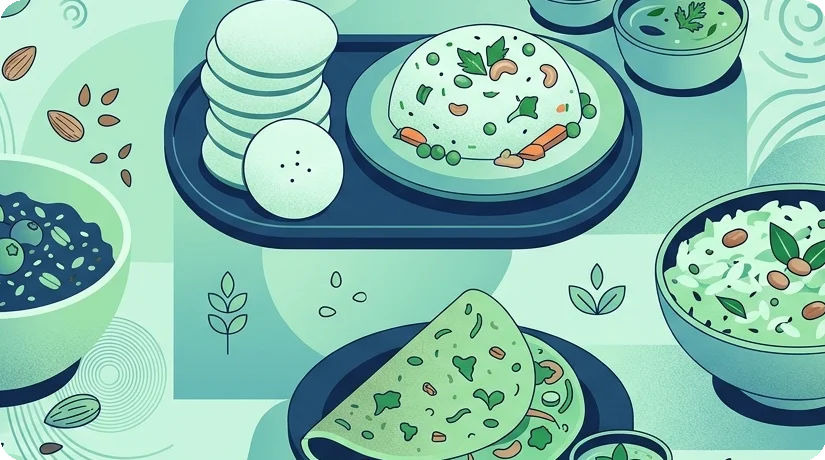
Starting your day with a nourishing breakfast is crucial for weight management, and Indian cuisine offers a vibrant array of options that are both flavorful and incredibly healthy. Many of the healthiest Indian breakfast options, rich in plant-based proteins and fiber, align perfectly with vegetarian diets for weight loss, offering delicious and sustainable meal choices. To craft a healthy Indian breakfast for weight loss, focus on meals rich in protein, fiber, and complex carbohydrates while minimizing excess oils and refined ingredients. Popular choices include nutrient-dense vegetable upma, high-protein moong dal cheela, and refreshing sprouted lentil salads, all of which keep you full and energized throughout the morning.
What Makes an Indian Breakfast Healthy for Weight Loss?
The foundation of a weight-loss friendly breakfast, regardless of cuisine, lies in a balanced nutrient profile. For Indian breakfasts, this means harnessing the power of traditional ingredients in mindful ways:
- High in Protein: Prioritizing dietary protein for weight loss is key, as it enhances satiety and helps preserve lean muscle. Ingredients like lentils (dal), chickpeas (besan), paneer, eggs, and sprouts are excellent protein sources in Indian cooking, making high-protein Indian breakfasts like moong dal cheela particularly effective.
- Rich in Fiber: Fiber-rich foods promote fullness, aid digestion, and help regulate blood sugar levels. Whole grains (oats, ragi, bajra), legumes, and a plethora of vegetables are abundant in Indian breakfasts.
- Complex Carbohydrates: Unlike simple carbohydrates that lead to quick energy spikes and crashes, complex carbs provide sustained energy. Millets, broken wheat (dalia), and whole-grain flours are staple complex carb sources.
- Mindful Fat Use: While healthy fats are important, traditional Indian cooking can sometimes be high in oil or ghee. Opting for minimal oil, or using healthy fats from nuts and seeds, is key for weight management.
- Abundant Vegetables: Incorporating a variety of colorful vegetables boosts nutrient intake without significantly adding calories, offering vitamins, minerals, and antioxidants.
Traditional Indian Breakfasts, Healthfully Reimagined
Many classic Indian breakfast dishes can be easily adapted to support your weight loss goals without sacrificing flavor. Here are some ideas:
Savory & Protein-Rich Options
-
Moong Dal Cheela (Lentil Pancakes):
Made from ground green gram (moong dal) batter, cheelas are naturally high in plant-based protein and fiber. To make them even healthier:
- Preparation: Soak moong dal, blend with ginger, green chilies, and a little water.
- Healthy Twist: Load the batter with finely chopped vegetables like spinach, grated carrots, onions, and bell peppers. Cook with minimal oil on a non-stick pan.
- Serving Suggestion: Pair with a low-fat curd (yogurt) dip or a fresh mint chutney.
-
Besan Puda (Chickpea Flour Pancakes):
Similar to moong dal cheela, besan puda offers a good dose of protein from chickpea flour. It's quick to prepare and highly versatile.
- Preparation: Mix besan with water, spices, and finely chopped veggies.
- Healthy Twist: Add more vegetables (onions, tomatoes, capsicum, coriander) and reduce the oil used for cooking.
- Serving Suggestion: Enjoy with a side of steamed sprouts or a simple cucumber salad.
-
Vegetable Dalia (Broken Wheat Porridge):
Dalia is an excellent source of complex carbohydrates and fiber, providing sustained energy. It can be made savory or sweet.
- Preparation: Sauté vegetables like peas, carrots, beans, and bell peppers with minimal oil and spices. Add roasted dalia and water, then cook until tender.
- Healthy Twist: Maximize the vegetable content for added nutrients and fiber.
- Serving Suggestion: A bowl of warm, spiced vegetable dalia is comforting and filling.
-
Sprouts Salad or Stir-fry:
Sprouted lentils (like moong, moth, or matki) are nutritional powerhouses, packed with protein, fiber, and easily digestible nutrients.
- Preparation: Lightly steam or blanch sprouts.
- Healthy Twist: Mix with chopped onions, tomatoes, cucumber, coriander, a squeeze of lemon juice, and a sprinkle of chaat masala for a refreshing salad. For a stir-fry, lightly sauté with mustard seeds, curry leaves, and a pinch of turmeric.
- Serving Suggestion: An ideal light and protein-rich breakfast, especially when you're short on time.
Whole Grain & Fiber-Packed Choices
-
Oats Upma/Poha:
While traditional upma uses semolina and poha uses flattened rice, you can healthify them significantly.
- Preparation: Use rolled oats or whole flattened rice. Sauté mustard seeds, curry leaves, onions, and lots of mixed vegetables (peas, carrots, beans, corn). Add the oats/poha, water (for oats), and cook.
- Healthy Twist: Focus on increasing the vegetable volume and using minimal oil. Add a handful of roasted peanuts for healthy fats and protein.
- Serving Suggestion: Garnish with fresh coriander and a squeeze of lime.
-
Ragi Dosa/Idli (Millet-based):
Ragi (finger millet) is a fantastic gluten-free whole grain, rich in calcium and fiber.
- Preparation: Substitute some or all of the rice flour in your dosa/idli batter with ragi flour.
- Healthy Twist: The fermentation process aids digestion. Serve with a light coconut chutney or a lentil-based sambar (vegetable stew) for added protein and fiber.
- Serving Suggestion: A healthy and hearty South Indian option.
-
Whole Wheat Paratha with Protein Filling:
Parathas can be heavy, but a mindful approach makes them a good option.
- Preparation: Use 100% whole wheat flour for the dough.
- Healthy Twist: Stuff with a high-protein, fiber-rich filling like grated paneer (Indian cheese), finely chopped mixed vegetables, or a spiced lentil mixture (dal paratha). Cook with very little oil or dry roast it lightly.
- Serving Suggestion: Pair with a bowl of plain, low-fat curd and a small side of homemade pickle.
Quick & Convenient Options
-
Egg Bhurji or Boiled Eggs with Whole Wheat Toast:
Eggs are a superb source of high-quality protein, keeping you full and satisfied.
- Preparation: Prepare egg bhurji (scrambled eggs) with plenty of onions, tomatoes, and bell peppers, using minimal oil.
- Healthy Twist: Serve with one slice of 100% whole wheat toast or a small multigrain roti. Two boiled eggs are also a great, quick protein fix.
-
Yogurt with Fruits and Seeds:
While not traditionally Indian, plain yogurt (dahi) is a staple. Combine it with local fruits and Indian flavors.
- Preparation: Use plain, low-fat Greek yogurt or homemade curd.
- Healthy Twist: Top with fresh seasonal Indian fruits like mango, banana, pomegranate, or berries. Add a sprinkle of chia seeds, flax seeds, or chopped almonds for healthy fats and fiber. A pinch of cardamom can add an aromatic touch.
Portion Control and Mindful Eating: The AI Weight Coach Advantage
Even the healthiest Indian breakfast can contribute to weight gain if portion sizes are not managed. This is where tools like AI Weight Coach become incredibly valuable. Our app can help you log your specific Indian meals, understand their nutritional breakdown (calories, macros, and fiber), and guide you toward appropriate portion sizes tailored to your weight loss goals. By tracking your intake, you gain valuable insights into how your favorite dishes fit into a balanced diet, empowering you to make sustainable choices.
Remember, consistency is key. Integrating these healthy Indian breakfast ideas into comprehensive high-protein low-calorie meal plans can provide a structured approach to your daily nutrition, simplifying your weight loss efforts and ensuring consistent progress. This, coupled with mindful eating practices and personalized support from tools like AI Weight Coach, can significantly contribute to your weight loss journey and overall well-being. Expanding your repertoire of high-protein recipes for weight loss beyond these examples can introduce exciting new flavors and textures to your Indian breakfast routine, keeping your diet diverse and engaging. Enjoy the rich flavors and health benefits that Indian cuisine has to offer!
Disclaimer: This article provides general information and is not a substitute for professional medical advice. Always consult with a healthcare provider or registered dietitian before making significant changes to your diet or health routine, especially if you have underlying health conditions.