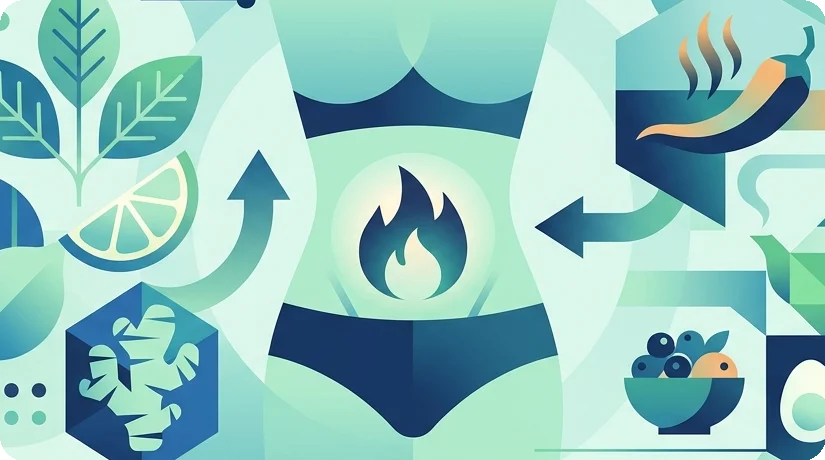
Many aspire to a flatter stomach, and while targeted fat loss isn't possible, a healthy metabolism is crucial for overall fat reduction. The good news is that certain foods, and even some metabolism-boosting drinks, can play a supportive role in this process by slightly increasing your metabolic rate, promoting satiety, or supporting crucial metabolic functions. It's not about quick fixes, but about consistent, smart dietary choices combined with a healthy lifestyle.
How Do Foods Influence Your Metabolism?
Your metabolism is the complex set of chemical processes that keep your body alive and functioning, including converting food into energy. Several factors influence your metabolic rate, and food plays a significant role, primarily through two mechanisms:
- Thermic Effect of Food (TEF): This is the energy your body expends to digest, absorb, and metabolize the nutrients from your food. Protein has the highest TEF, meaning your body burns more calories processing protein than it does fats or carbohydrates. Focusing on high-quality dietary protein for weight loss is a cornerstone for sustainable fat reduction.
- Nutrient Support: Certain vitamins, minerals, and compounds found in food are essential cofactors for metabolic enzymes, ensuring your metabolic pathways run efficiently.
- Satiety and Energy Balance: Foods rich in fiber and protein can keep you feeling fuller for longer, which can naturally lead to consuming fewer calories overall. While metabolism-boosting foods are helpful, a sustained calorie deficit is fundamental for fat loss. Understanding effective calorie deficit strategies is crucial to ensure you're consuming fewer calories than you burn.
Which Foods Can Help Boost Metabolism for a Flatter Stomach?
Incorporating these nutrient-dense foods into a balanced diet can help support your metabolism and your journey toward a flatter stomach:
1. Lean Proteins
Foods like chicken breast, turkey, fish, eggs, tofu, lentils, and beans are metabolism powerhouses. As mentioned, protein has the highest TEF, meaning your body uses more energy to digest it compared to fats or carbs. Additionally, adequate protein intake helps preserve muscle mass, and muscle tissue burns more calories at rest than fat tissue, contributing to a higher resting metabolic rate.
2. Whole Grains
Unlike refined grains, oats, quinoa, brown rice, and whole wheat are rich in fiber. Fiber requires more energy to digest and keeps you feeling full, reducing overall calorie intake. The steady release of energy from complex carbohydrates also helps maintain stable blood sugar levels, preventing energy crashes and cravings that can lead to overeating.
3. Chili Peppers (Capsaicin)
Spices like those found in chili peppers, cayenne pepper, and jalapeños contain capsaicin, a compound known for its thermogenic properties. Capsaicin can temporarily increase your body temperature and energy expenditure, offering a modest boost to calorie burning. It may also help reduce appetite.
4. Green Tea
Green tea is celebrated for its antioxidant content and compounds like epigallocatechin gallate (EGCG) and caffeine. Research suggests that EGCG, combined with caffeine, can work synergistically to increase fat oxidation and energy expenditure, giving your metabolism a slight kickstart.
5. Coffee
The caffeine in coffee is a well-known stimulant that can temporarily increase your metabolic rate and enhance fat burning. For many, a cup of coffee before a workout can also boost performance, leading to more intense exercise and greater calorie expenditure.
6. Water
Staying well-hydrated is critical for every metabolic process in your body. Even mild dehydration can slow down your metabolism. Drinking enough water can also help you feel full, potentially reducing calorie intake, and some studies suggest that drinking cold water can cause your body to burn a few extra calories as it warms the water to body temperature.
7. Nuts and Seeds
Foods like almonds, walnuts, chia seeds, and flax seeds are packed with healthy fats, fiber, and protein. Their unique combination of nutrients makes them incredibly satiating, helping to prevent overeating. While calorie-dense, their metabolic benefits often outweigh this, provided they are consumed in moderation.
8. Legumes
Beans, lentils, chickpeas, and peas are excellent sources of plant-based protein, fiber, and resistant starch. Resistant starch ferments in the gut, promoting healthy gut bacteria, which can indirectly influence metabolic health and satiety.
9. Ginger
Often used in traditional medicine, ginger may also have thermogenic properties, similar to capsaicin. Some studies suggest it can slightly increase energy expenditure and reduce feelings of hunger.
10. Non-Starchy Fruits and Vegetables
While not direct metabolism boosters in the same way as protein or capsaicin, berries, leafy greens, broccoli, and bell peppers are incredibly high in fiber, vitamins, and antioxidants while being low in calories. They fill you up, provide essential nutrients for metabolic function, and support overall health, making it easier to maintain a calorie deficit necessary for fat loss.
Beyond Food: Other Lifestyle Factors for a Healthy Metabolism
While diet is foundational, a holistic approach is essential for optimizing your metabolism and achieving a flatter stomach:
- Regular Exercise: Both strength training (to build and maintain muscle mass) and cardiovascular exercise (to burn calories and improve cardiovascular health) are crucial. Full body workouts for fat loss are an excellent way to burn calories and build muscle, further supporting your metabolism.
- Adequate Sleep: Insufficient sleep can disrupt hormones that regulate appetite (ghrelin and leptin) and increase cortisol, which can promote abdominal fat storage.
- Stress Management: Chronic stress elevates cortisol levels, which can lead to increased appetite and fat accumulation, particularly around the midsection.
- Hydration: As mentioned, drinking enough water is vital for all metabolic processes.
How AI Weight Coach Supports Your Metabolism Goals
Understanding which foods support your metabolism is one thing; consistently incorporating them into your diet is another. This is where tools like AI Weight Coach can be invaluable. Our app helps you:
- Track Nutrient Intake: Monitor your protein, fiber, and overall calorie intake to ensure you're meeting your goals and supporting your metabolic health.
- Personalized Meal Planning: Get tailored meal suggestions that integrate metabolism-boosting foods, making healthy eating convenient and enjoyable.
- Build Sustainable Habits: AI Weight Coach guides you in making consistent, informed choices that contribute to long-term weight management and a healthier metabolism, rather than relying on fleeting trends.
Achieving a flatter stomach and a healthy metabolism is a journey, not a sprint. By focusing on a balanced diet rich in the foods mentioned above, coupled with an active lifestyle and smart support tools like AI Weight Coach, you can effectively support your body's natural fat-burning capabilities.
Disclaimer: This article provides general information and is not a substitute for professional medical advice. Always consult with a qualified healthcare provider or registered dietitian before making significant changes to your diet or lifestyle, especially if you have underlying health conditions.