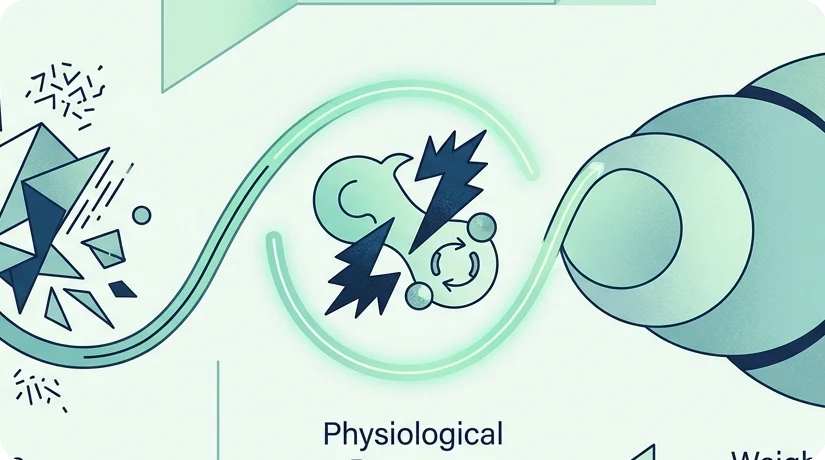
Yes, stress can significantly contribute to weight gain in women, not just through emotional eating but also via complex physiological and behavioral mechanisms. Chronic stress elevates cortisol levels, which can promote fat storage, especially around the abdomen, and influence appetite and cravings for energy-dense comfort foods. Understanding how chronic stress elevates cortisol, a key stress hormone, is just one piece of the puzzle; a deeper look into broader hormonal imbalance and weight gain can provide a more comprehensive understanding of its physiological impacts, which is crucial for effective weight management.
How Does Stress Lead to Weight Gain in Women?
The link between stress and weight gain is multi-faceted, involving hormonal shifts, behavioral responses, and lifestyle changes that often combine to make shedding pounds more challenging. For women, these impacts can sometimes be amplified due to unique hormonal fluctuations throughout life.
The Cortisol Connection: Your Body's Stress Hormone
When you experience stress, your body releases a cascade of hormones, primarily adrenaline and cortisol. While adrenaline provides a temporary energy boost, cortisol, often called the “stress hormone,” plays a more prolonged role. Elevated cortisol levels, particularly when stress becomes chronic, signal your body to:
- Increase appetite: Cortisol can stimulate your appetite, particularly for foods high in sugar and fat, which are perceived as comforting.
- Promote fat storage: Chronic high cortisol levels tend to encourage your body to store fat, especially in the abdominal area. This visceral fat is not just aesthetically concerning; it's also linked to a higher risk of heart disease and type 2 diabetes.
- Slow down metabolism: Long-term stress can subtly affect your metabolic rate, making it harder to burn calories efficiently.
Women, due to their unique hormonal cycles, may sometimes experience these cortisol effects differently or more acutely, especially during periods of hormonal transition.
Comfort Eating and Increased Cravings
Beyond the direct hormonal impact, stress often leads to behavioral changes that sabotage weight loss efforts. Many people turn to food as a coping mechanism. This “comfort eating” usually involves consuming calorie-dense, palatable foods that provide a temporary sense of relief or pleasure.
- Emotional Eating: Stress can trigger emotional eating, where food is used to manage feelings of anxiety, sadness, boredom, or frustration rather than to satisfy true hunger.
- Preference for Unhealthy Foods: Research suggests that chronic stress can alter brain chemistry, increasing cravings for sugary, fatty, and salty foods, which are known to activate reward pathways in the brain.
Disrupted Sleep Patterns
Stress is a common culprit for poor sleep. Whether it's difficulty falling asleep, staying asleep, or experiencing restless nights, sleep deprivation has a profound impact on weight management:
- Hormonal Imbalance: Lack of sleep can disrupt ghrelin (the hunger hormone) and leptin (the satiety hormone). Elevated ghrelin makes you feel hungrier, while reduced leptin means you don't feel full, leading to increased food intake.
- Reduced Energy and Motivation: When you're tired, you're less likely to exercise and more likely to make unhealthy food choices, seeking quick energy boosts from sugar and caffeine.
Reduced Physical Activity and Motivation
Feeling overwhelmed by stress often drains your energy and motivation, making it harder to stick to an exercise routine. The thought of hitting the gym after a stressful day can feel impossible. This reduction in physical activity means fewer calories burned and less muscle mass maintained, further contributing to weight gain.
Digestive Issues and Gut Health
The gut-brain axis is a two-way street. Stress can disrupt the delicate balance of your gut microbiome, leading to digestive issues like bloating, constipation, or diarrhea. An imbalanced gut microbiome can also influence metabolism and potentially contribute to weight gain by affecting how your body processes and stores fat.
Practical Strategies for Managing Stress and Supporting Weight Loss
Recognizing the link between stress and weight gain is the first step. The next is implementing strategies to manage stress effectively, which can, in turn, support your weight loss journey. Here are some evidence-based approaches:
1. Prioritize Stress-Reducing Activities
- Mindfulness and Meditation: Regular practice can help reduce cortisol levels and improve emotional regulation. Even 10-15 minutes a day can make a difference.
- Yoga and Deep Breathing: These practices calm the nervous system, reduce tension, and promote relaxation.
- Spend Time in Nature: Connecting with nature has been shown to lower stress hormones and improve mood.
- Engage in Hobbies: Dedicate time to activities you enjoy, whether it's reading, gardening, painting, or listening to music.
2. Optimize Your Sleep Hygiene
Aim for 7-9 hours of quality sleep per night. To improve sleep:
- Maintain a consistent sleep schedule, even on weekends.
- Create a relaxing bedtime routine (e.g., warm bath, reading, gentle stretching).
- Ensure your bedroom is dark, quiet, and cool.
- Limit screen time (phones, tablets, computers) before bed.
3. Fuel Your Body Mindfully
While cortisol can increase cravings for comforting, energy-dense foods, adopting mindful eating practices can empower women to make healthier choices and manage appetite more effectively, even during stressful periods. Instead of reaching for comfort foods, focus on nutrient-dense options. A balanced diet can help stabilize blood sugar, reduce cravings, and provide sustained energy.
- Whole Grains and Fiber: Keep you feeling full and stabilize blood sugar.
- Lean Proteins: Support muscle mass and satiety.
- Fruits and Vegetables: Packed with vitamins, minerals, and antioxidants to support overall health.
- Healthy Fats: Provide essential fatty acids and promote satiety.
Tools like AI Weight Coach can help you track your food intake, understand your calorie and macro needs, and identify patterns in your eating habits, making it easier to make mindful choices even under stress.
4. Regular Physical Activity
Exercise is a powerful stress reliever. To effectively counteract stress-induced weight gain, incorporating stress-reducing workouts into your routine can be incredibly beneficial, helping to lower cortisol and improve both physical and mental well-being. These activities help burn off excess energy, release endorphins (natural mood boosters), and improve sleep. Find an activity you enjoy, whether it's walking, dancing, cycling, or strength training, and aim for at least 150 minutes of moderate-intensity activity per week.
5. Build a Strong Support System
Don't face stress alone. Connect with friends, family, or a support group. Talking about your stressors can provide perspective and emotional relief. A strong social network can buffer the negative effects of stress.
6. Seek Professional Guidance When Needed
If stress feels unmanageable or is significantly impacting your daily life and weight, consider seeking help from a healthcare professional, therapist, or counselor. They can offer strategies like cognitive-behavioral therapy (CBT) or other interventions to manage stress effectively.
Leveraging AI Weight Coach for Holistic Support
Navigating the complexities of stress and weight gain can be challenging, but you don't have to do it alone. AI Weight Coach offers a comprehensive platform designed to support your weight loss journey by addressing both the physical and behavioral aspects.
- Personalized Meal Planning: Get tailored meal plans that align with your nutritional goals, reducing the mental load of meal prep.
- Activity Tracking: Monitor your exercise and daily movement to ensure you're staying active, even when stress levels are high.
- Habit Building: Develop sustainable habits for better sleep, mindful eating, and stress management, all crucial for long-term success.
- Educational Resources: Access expert insights and practical tips on nutrition, exercise, and behavior psychology to empower you with knowledge.
By providing structure and actionable insights, AI Weight Coach can help you make informed decisions and build resilience against the impact of stress on your weight.
Conclusion
The answer to "does stress cause weight gain in women" is a resounding yes. Stress impacts women's weight through a combination of hormonal changes, increased emotional eating, disrupted sleep, and reduced physical activity. However, by understanding these mechanisms and proactively implementing stress management techniques alongside healthy lifestyle choices, women can mitigate these effects and achieve their weight management goals. A holistic approach that integrates mindful living with strategic support, like that offered by AI Weight Coach, can pave the way for sustainable health and well-being.
Disclaimer: The information provided in this blog post is for educational and informational purposes only, and does not constitute medical advice. Always consult with a qualified healthcare professional before making any decisions about your health or treatment.