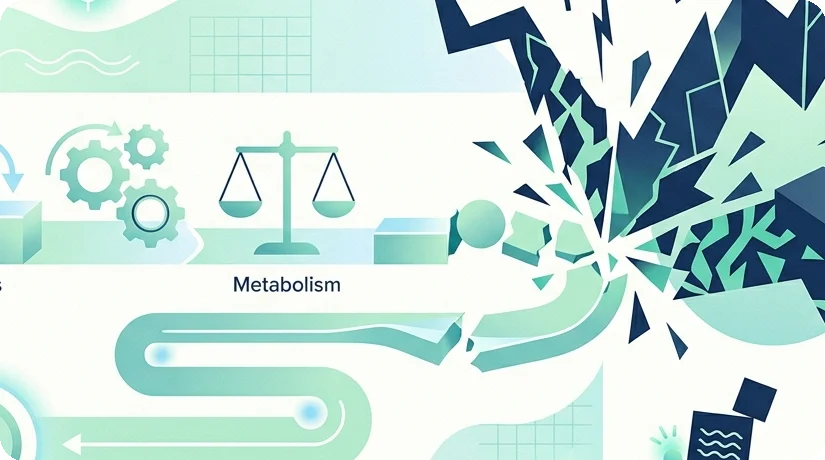
The journey to weight loss is often viewed through the lens of calories in versus calories out. While foundational, this perspective overlooks a powerful, often underestimated factor: stress. Many people struggling to lose weight despite their best efforts often wonder, "Does stress affect weight loss?" The unequivocal answer is yes; chronic stress can be a significant roadblock, impacting your body and mind in ways that make shedding pounds challenging.
Understanding this connection is crucial for anyone on a weight loss journey. Stress isn't just a mental state; it triggers a cascade of physiological and behavioral responses that can directly undermine your efforts to achieve a healthier weight. Let's delve into how stress impacts your body's ability to lose weight and what you can do about it.
How Does Stress Physically Impact Your Body's Ability to Lose Weight?
When you're under stress, your body activates its "fight or flight" response, a primal survival mechanism. While helpful in acute situations, prolonged activation due to chronic stress has several detrimental effects on your metabolism and fat storage.
The Role of Cortisol: The Stress Hormone
The primary hormone involved in the stress response is cortisol. When stress is acute, cortisol provides a quick burst of energy. However, sustained stress means elevated cortisol levels, which can lead to:
- Increased Appetite and Cravings: Cortisol can boost your appetite, particularly for high-calorie, sugary, and fatty foods. This is your body's way of preparing for an energy-intensive response, even if the "threat" is an overflowing email inbox.
- Visceral Fat Storage: Studies show that chronically high cortisol levels tend to promote the storage of fat, especially around the abdominal area (visceral fat). This type of fat is metabolically active and is linked to a higher risk of heart disease, type 2 diabetes, and other health issues.
- Insulin Resistance: Cortisol can interfere with insulin sensitivity, making your cells less responsive to insulin. This means your body needs to produce more insulin to manage blood sugar, which can contribute to weight gain and make it harder to lose fat.
- Slower Metabolism: In response to perceived threats, your body might try to conserve energy, potentially slowing down your metabolism. This makes it harder to burn calories efficiently, even if you're eating less.
Other Hormonal Disruptions
Beyond cortisol, stress can also throw other hormones out of balance:
- Ghrelin and Leptin: Stress can disrupt the balance of hunger-regulating hormones. Ghrelin, the "hunger hormone," might increase, while leptin, which signals fullness, might become less effective, leading to overeating.
- Thyroid Function: Chronic stress can potentially impact thyroid function, which plays a critical role in regulating metabolism.
What Are the Behavioral Effects of Stress on Weight Management?
Beyond direct physiological impacts, stress profoundly influences your daily habits and choices, many of which are central to weight management.
Emotional Eating and Poor Food Choices
For many, food becomes a coping mechanism during stressful periods, a phenomenon often described as emotional eating and weight gain. Chronic stress often triggers this, leading to increased cravings for high-calorie, sugary, and fatty foods as a coping mechanism, which directly contributes to weight gain. This often manifests as:
- Comfort Eating: Reaching for foods that provide temporary comfort, often those high in sugar, unhealthy fats, and refined carbohydrates, which contribute to weight gain and do little for sustained satiety.
- Mindless Snacking: Eating without paying attention to hunger cues, often while distracted by work or worries. Implementing mindful eating practices can help counteract this tendency for stress-induced emotional eating by encouraging awareness of hunger cues and more intentional food choices, thereby supporting weight management.
- Skipping Meals: Some people skip meals when stressed, leading to extreme hunger later and subsequent overeating or poor food choices.
Reduced Physical Activity
When stressed, your motivation and energy levels can plummet:
- Lack of Energy: Feeling drained and overwhelmed makes it harder to find the energy for workouts or even simple daily activity.
- Prioritization Shift: Exercise often falls to the bottom of the priority list when you feel you have too many other demands.
Poor Sleep Quality
Stress and sleep have a bidirectional relationship. Stress often leads to poor sleep, and insufficient sleep can exacerbate stress. This creates a vicious cycle that impacts weight loss by:
- Increased Hunger Hormones: Lack of sleep can further elevate ghrelin and decrease leptin, making you feel hungrier and less satisfied.
- Impaired Decision-Making: Sleep deprivation affects the prefrontal cortex, the part of the brain responsible for impulse control and decision-making, making it harder to resist unhealthy food choices.
- Reduced Metabolism: Poor sleep can also negatively impact your metabolic rate.
Neglecting Self-Care and Routine
Chronic stress often means less time and inclination for self-care practices that support overall well-being, including preparing healthy meals, getting enough rest, or engaging in relaxing activities.
Can Managing Stress Lead to Better Weight Loss Results?
Absolutely. Addressing stress is not just a "nice to have"; it's a fundamental component of a successful and sustainable weight loss journey. By actively managing stress, you can mitigate its negative physiological and behavioral impacts.
Practical Strategies for Stress Reduction
- Mindfulness and Relaxation Techniques: Practices like meditation, deep breathing exercises, yoga, and progressive muscle relaxation can help calm your nervous system, reduce cortisol levels, and improve your ability to cope with stress.
- Regular Physical Activity: Exercise is a powerful stress reliever. Engaging in stress-reducing workouts, such as yoga or moderate cardio, can significantly lower cortisol levels and provide a healthy outlet for managing chronic stress, directly aiding in weight loss efforts. Even moderate activity like walking can release endorphins, improve mood, and help regulate stress hormones.
- Prioritize Quality Sleep: Aim for 7-9 hours of quality sleep per night. Establish a consistent sleep schedule and create a relaxing bedtime routine to improve sleep hygiene.
- Nutrient-Dense Eating: Focus on whole, unprocessed foods. While comfort foods might offer temporary relief, a balanced diet rich in fruits, vegetables, lean proteins, and healthy fats can stabilize blood sugar, provide sustained energy, and improve your body's resilience to stress.
- Seek Support: Don't hesitate to reach out to friends, family, or a mental health professional if stress feels overwhelming. Talking through your challenges can be incredibly beneficial.
- Time Management and Boundaries: Learning to say no, delegating tasks, and setting realistic expectations can significantly reduce feelings of overwhelm.
How Can AI Weight Coach Help You Navigate Stress and Weight Loss?
At AI Weight Coach, we understand that weight loss is a holistic process that goes beyond just calories. Our app is designed to support you in creating sustainable habits, even when stress rears its head.
- Personalized Meal Planning: Our AI-driven tools can help you plan nutritious, balanced meals that support your body's needs, reducing the mental load of decision-making during stressful times.
- Activity Tracking: Easily monitor your physical activity, helping you stay accountable and consistent with exercise, a key stress-reduction tool.
- Behavioral Insights: AI Weight Coach can help you identify patterns in your eating and activity, allowing you to recognize potential stress-related triggers and develop healthier coping mechanisms.
- Goal Setting and Progress Monitoring: Stay motivated by tracking your progress and celebrating small victories. Having a structured plan can reduce the stress of uncertainty on your weight loss journey.
By providing a supportive framework for nutrition, activity, and mindful living, AI Weight Coach empowers you to take control of your well-being and navigate the complex interplay between stress and weight loss.
Conclusion
Stress is far more than just a mental inconvenience; it's a powerful physiological and psychological factor that can profoundly affect your weight loss efforts. From disrupting hormones like cortisol and increasing visceral fat storage to triggering emotional eating and disrupting sleep, chronic stress creates a challenging environment for shedding pounds.
Recognizing the impact of stress is the first step. By adopting stress management techniques and utilizing tools like AI Weight Coach to build sustainable healthy habits, you can create a more supportive environment for your body and mind, ultimately leading to more effective and lasting weight loss success. Focus not just on what you eat, but on how you live and manage the pressures of daily life.
Disclaimer: The information provided in this blog post is for general educational purposes only and is not intended as medical advice. Always consult with a qualified healthcare professional before making any significant changes to your diet, exercise, or health routine, especially if you have underlying health conditions.