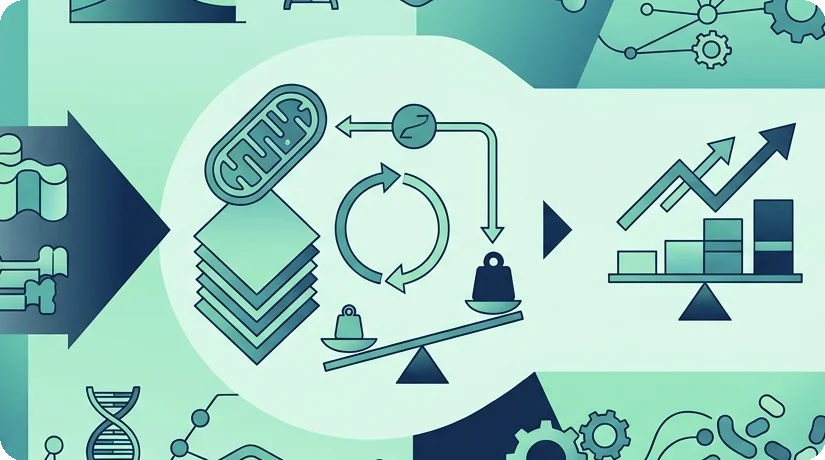
If you've ever wondered, "Why do I gain weight so easy?" you're asking a question many people grapple with. The truth is, weight management is a highly individualized and complex process, influenced by a multifaceted interaction of genetics, metabolic rate, hormonal balance, lifestyle choices, and environmental factors. It's rarely due to a single cause, but rather a combination of elements that can make maintaining a healthy weight feel like an uphill battle for some.
Is My Metabolism to Blame for Easy Weight Gain?
Your metabolism plays a crucial role in how your body converts food into energy and how it stores excess energy. While many people hold misconceptions about how their metabolism works, debunking these metabolism myths can provide a clearer path to understanding easy weight gain. Your Basal Metabolic Rate (BMR) is the number of calories your body burns at rest to perform basic functions. Several factors can influence your BMR and overall metabolism:
- Age: As we age, our BMR naturally tends to decrease, meaning we require fewer calories to maintain our weight.
- Muscle Mass: Muscle tissue burns more calories at rest than fat tissue. If you have less muscle mass, your metabolism might be slower.
- Genetics: Some people are naturally predisposed to a slower metabolism, meaning their bodies burn fewer calories even when at rest.
- Adaptive Thermogenesis: After significant weight loss, your body might adapt by burning fewer calories to try and conserve energy, making it easier to regain weight.
- Thyroid Function: An underactive thyroid (hypothyroidism) can slow metabolism and lead to weight gain.
Understanding your unique metabolic profile can be a key step in managing your weight. While you can't drastically change your inherent metabolic rate, you can influence it through diet and exercise choices, such as building more muscle. Indeed, building muscle through strength training workouts is an effective way to counteract a naturally slower metabolism, as muscle tissue burns more calories at rest.
How Do Genetics Affect Weight Gain?
Genetics load the gun, but lifestyle pulls the trigger. This common saying holds true for weight gain. While genetics don't dictate your destiny, they can certainly predispose you to certain traits that make weight gain easier:
- Appetite Regulation: Genetic variations can influence hormones like leptin and ghrelin, which control hunger and satiety signals. Some people may feel hungry more often or less full after eating.
- Fat Storage: Your genes can influence where your body tends to store fat (e.g., around the belly vs. hips) and how efficiently it stores it.
- Energy Expenditure: Genetic factors can impact your metabolic rate and the number of calories your body burns at rest and during activity.
- Food Preferences: Some genetic variations might make you more sensitive to the rewarding aspects of high-fat or high-sugar foods.
- "Set Point" Theory: This theory suggests that your body has a genetically determined weight range it naturally tries to maintain. Deviating too far from this range can trigger physiological responses to bring you back.
While you can't change your genes, knowing your genetic predispositions can empower you to make more informed lifestyle choices tailored to your body's tendencies.
What Role Do Hormones Play in Weight Fluctuation?
Hormones are powerful chemical messengers that regulate virtually every bodily function, including appetite, metabolism, and fat storage. Hormonal imbalances, such as those affecting thyroid function or insulin, can significantly contribute to easy weight gain:
Key Hormones Involved:
- Insulin: Produced by the pancreas, insulin helps your cells absorb glucose for energy. High levels of insulin, often due to insulin resistance, can promote fat storage, especially around the abdomen.
- Leptin: Known as the "satiety hormone," leptin tells your brain when you've had enough to eat. Leptin resistance (where your brain doesn't respond effectively to leptin signals) can lead to constant hunger and overeating.
- Ghrelin: The "hunger hormone," ghrelin stimulates appetite. Imbalances can lead to increased hunger, even after eating.
- Cortisol: The primary stress hormone. Chronic stress elevates cortisol levels, which can increase appetite, promote cravings for unhealthy foods, and encourage abdominal fat storage.
- Thyroid Hormones: As mentioned, an underactive thyroid can slow metabolism.
- Estrogen: Fluctuations in estrogen, particularly during menopause, can lead to changes in fat distribution and increased weight gain.
- Testosterone: Low testosterone levels in men can contribute to increased body fat and reduced muscle mass.
If you suspect hormonal imbalances are contributing to your weight gain, it's crucial to consult a healthcare provider for proper diagnosis and guidance.
Does Lifestyle and Environment Contribute to Gaining Weight Easily?
Even with favorable genetics and balanced hormones, modern lifestyle and environmental factors can make weight gain remarkably easy:
- Dietary Choices:
- Processed Foods: High in sugar, unhealthy fats, and refined grains, these foods are often calorie-dense but nutrient-poor, leading to overconsumption. Beyond major food groups, ensuring adequate intake of essential micronutrients for metabolism is vital for optimal metabolic function, directly impacting how easily you gain weight.
- Portion Sizes: Modern serving sizes are often much larger than what our bodies truly need.
- Added Sugars: Sugary drinks and foods contribute empty calories and can lead to rapid fat storage.
- Sedentary Lifestyle: Desk jobs, reliance on cars, and screen time mean many people have significantly less physical activity than previous generations, leading to fewer calories burned daily.
- Sleep Deprivation: Lack of adequate sleep can disrupt hunger hormones (ghrelin and leptin), increase cravings for high-calorie foods, and elevate cortisol.
- Chronic Stress: Beyond hormonal effects, stress can lead to emotional eating and a lack of motivation for healthy habits.
- Environmental Factors: Easy access to unhealthy, cheap food, widespread marketing of calorific products, and social norms around eating habits all play a role.
These lifestyle factors are often within your control and represent significant opportunities for positive change in your weight management journey.
Are There Medical Reasons I'm Gaining Weight?
Sometimes, weight gain can be a symptom or side effect of an underlying medical condition or medication. It's important to rule these out with a healthcare professional:
- Certain Medications: Some antidepressants, corticosteroids, antihistamines, beta-blockers, and even certain diabetes medications can cause weight gain as a side effect.
- Medical Conditions:
- Polycystic Ovary Syndrome (PCOS): Often associated with insulin resistance and hormonal imbalances, leading to weight gain.
- Hypothyroidism: An underactive thyroid slows metabolism.
- Cushing's Syndrome: Caused by prolonged exposure to high cortisol levels.
- Depression and Anxiety: Can lead to changes in appetite, energy levels, and increased emotional eating.
If you experience sudden or unexplained weight gain, or if you suspect a medical reason, please consult your doctor. They can conduct appropriate tests and provide a diagnosis and treatment plan.
How Can AI Weight Coach Help Me Understand and Manage My Weight?
Understanding why you gain weight easily is the first step toward effective management. This knowledge empowers you to create a personalized strategy that works for your unique body. AI Weight Coach is designed to support you in this journey by providing personalized insights and tools based on evidence-based principles.
Our app helps you track your food intake, understand your calorie and macro needs, monitor your activity, and identify patterns specific to your body. By analyzing your data, AI Weight Coach can help you make informed decisions about your diet and exercise, recognizing the nuances of your metabolism and lifestyle. It helps you develop sustainable habits, offering guidance that considers the many factors influencing weight, making it a valuable tool in navigating your path to a healthier weight.
Taking a Holistic Approach to Weight Management
The journey to understanding why you gain weight easily and how to manage it requires a holistic approach. It means looking beyond just calories in, calories out, and considering the intricate dance of genetics, hormones, lifestyle, and environment. Acknowledge that your body is unique, and what works for one person might not work for another.
Focus on sustainable, healthy habits rather than quick fixes. Prioritize whole foods, regular physical activity, adequate sleep, and stress management. Be patient and kind to yourself throughout the process. Remember, making gradual, consistent changes is often the most effective path to lasting weight management.
Disclaimer: This article is for informational purposes only and does not constitute medical advice. Always consult with a qualified healthcare professional before making any decisions about your health, diet, or exercise regimen, especially if you have underlying medical conditions or are taking medications.