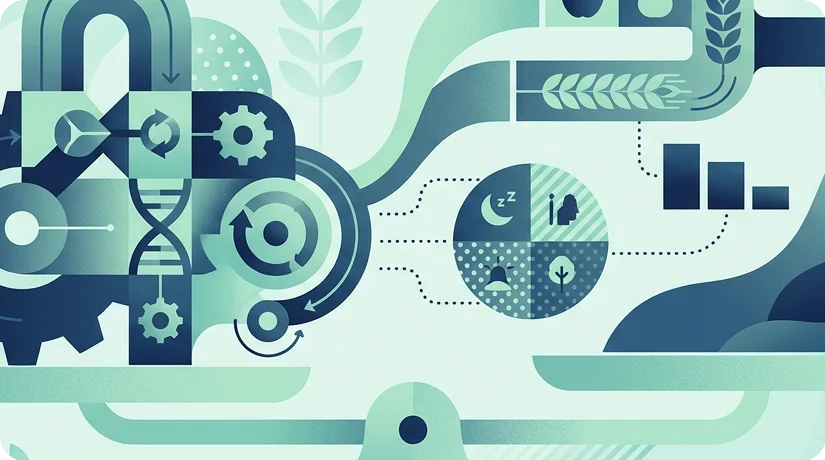
Many people feel they gain weight "so easily," and this common experience often has multiple contributing factors beyond just eating too much or not exercising enough. While the fundamental principle of weight change is energy balance—consuming more calories than you burn leads to weight gain—individual physiology, genetics, hormonal fluctuations, stress levels, sleep quality, and even certain medications can significantly influence how efficiently your body stores fat and regulates appetite, making weight management feel like an uphill battle for some. This complexity underscores the importance of understanding different diets for metabolic health and their impact on your body's ability to manage weight effectively.
Is It Just About Calories In, Calories Out? The Nuance of Energy Balance
The concept of "calories in, calories out" (CICO) is foundational to weight management: consume more energy than you expend, and you gain weight; consume less, and you lose weight. While scientifically sound, this simplified view often overlooks the complex biological and behavioral factors that influence both sides of the equation.
It's not just about the raw number of calories, but also about the source of those calories and how your body processes them. For instance, 200 calories from a sugary drink are processed very differently than 200 calories from a lean protein source and vegetables. Different macronutrients (protein, fats, carbohydrates) have varying thermic effects, meaning your body expends different amounts of energy to digest, absorb, and metabolize them. Protein, for example, has a higher thermic effect and promotes greater satiety, potentially leading to less overall calorie intake, which is why dietary protein is often highlighted for weight loss.
Furthermore, metabolic adaptation can occur. When you consistently restrict calories, your body may try to conserve energy by slowing down your metabolism, making it harder to lose weight or easier to regain it once you return to previous eating patterns. This doesn't negate CICO, but highlights the dynamic and complex nature of human metabolism.
How Do Genetics and Metabolism Influence Weight Gain?
Genetics play a significant, though not always deterministic, role in how easily you gain weight. Our genes can influence several aspects of weight regulation:
- Basal Metabolic Rate (BMR): This is the number of calories your body burns at rest to maintain basic bodily functions. BMR varies significantly among individuals, partly due to genetic factors and partly due to body composition (muscle burns more calories than fat). Someone with a naturally lower BMR might gain weight more easily if their calorie intake doesn't adjust accordingly.
- Fat Storage and Distribution: Genes can influence where your body tends to store fat (e.g., more in the abdominal area vs. hips and thighs) and how efficiently it stores it.
- Appetite and Satiety Regulation: Genetic variations can impact how sensitive you are to hunger and satiety signals, influencing how much you feel like eating.
- Energy Expenditure: Some individuals may have a genetic predisposition for higher Non-Exercise Activity Thermogenesis (NEAT), which includes all the calories burned from daily activities outside of structured exercise (e.g., fidgeting, walking, standing). Lower NEAT can contribute to easier weight gain.
While you can't change your genes, understanding their influence can help you tailor your approach to weight management, focusing on strategies that work best with your unique physiology.
What Role Do Hormones Play in Weight Management?
Hormones are powerful chemical messengers that regulate virtually every bodily function, including metabolism, appetite, and fat storage. Imbalances or dysregulation in these hormones can make weight gain seem effortless:
- Insulin: Produced by the pancreas, insulin helps cells absorb glucose for energy. High levels of insulin, often due to diets high in refined carbohydrates, can promote fat storage and make it harder for the body to access stored fat for energy.
- Cortisol: The body's primary stress hormone. Chronic stress leads to elevated cortisol levels, which can increase appetite, promote cravings for high-calorie comfort foods, and specifically contribute to visceral (belly) fat accumulation.
- Thyroid Hormones: Thyroid hormones regulate metabolism. An underactive thyroid (hypothyroidism) slows down metabolism, leading to fatigue and weight gain.
- Ghrelin and Leptin: Ghrelin is the "hunger hormone" that signals your brain when it's time to eat. Leptin is the "satiety hormone" that tells your brain when you're full. Disruptions in these hormones, often due to poor sleep or chronic overeating, can lead to increased hunger and reduced feelings of fullness.
- Estrogen and Testosterone: Fluctuations in sex hormones, particularly during menopause for women or with declining testosterone in men, can alter body composition, often leading to increased fat storage and decreased muscle mass.
If you suspect hormonal imbalances are contributing to your weight gain, it's crucial to consult a healthcare provider for diagnosis and appropriate guidance.
How Do Lifestyle Factors Contribute to Easy Weight Gain?
Beyond genetics and hormones, modern lifestyle choices frequently contribute to the perception of gaining weight easily:
Sleep Deprivation
Lack of adequate sleep (typically less than 7-9 hours per night) significantly impacts weight. It disrupts ghrelin and leptin levels, increasing hunger and decreasing satiety. Sleep deprivation also elevates cortisol and can reduce insulin sensitivity, making your body more prone to storing fat. Furthermore, being tired often leads to reduced physical activity and increased cravings for quick energy sources like sugary, high-calorie foods.
Chronic Stress
As mentioned, chronic stress keeps cortisol levels elevated, directly influencing fat storage and appetite. This effect challenges the common misconception that stress has no impact on weight gain or loss. Stress can also lead to emotional eating, where food is used as a coping mechanism rather than for genuine hunger, further contributing to calorie surplus.
Sedentary Lifestyle
In an age of desk jobs and entertainment at our fingertips, many people lead increasingly sedentary lives. A lack of regular physical activity reduces the calories you burn daily and can contribute to a loss of muscle mass, which further lowers your basal metabolic rate.
Diet Quality and Eating Habits
The prevalence of highly processed foods, sugary beverages, and large portion sizes in the modern diet makes it incredibly easy to overconsume calories without feeling satisfied. These foods are often low in fiber and protein, which are key for satiety, and high in readily available sugars and unhealthy fats. Mindless eating, eating quickly, and not paying attention to hunger and fullness cues also contribute to easier weight gain.
Can Certain Medications Make Weight Gain Easier?
It's important to recognize that some medications, while vital for managing various health conditions, can have weight gain as a side effect. These often impact appetite, metabolism, or fluid retention. Common categories of medications associated with weight gain include:
- Certain Antidepressants: Some medications used to treat depression and anxiety can lead to increased appetite and weight gain.
- Corticosteroids: Steroids, often prescribed for inflammatory conditions, can increase appetite, lead to fluid retention, and alter fat distribution.
- Some Diabetes Medications: While some diabetes medications aid weight loss, others (e.g., certain insulins or sulfonylureas) can promote weight gain.
- Beta-Blockers: Used for heart conditions and high blood pressure, some beta-blockers can slow metabolism and cause fatigue, potentially leading to weight gain.
- Antihistamines: Certain older generation antihistamines can increase appetite.
If you are concerned about weight gain as a side effect of medication, do not stop taking your medication without consulting your healthcare provider. They can discuss potential alternatives, dosage adjustments, or strategies to manage the weight gain while ensuring your underlying condition is properly treated.
How Can I Address Easy Weight Gain Effectively?
Understanding why you might gain weight easily is the first step. The next is to implement sustainable, evidence-based strategies. Here's a practical approach:
- Prioritize Whole, Unprocessed Foods: Focus on a diet rich in lean protein, fiber-rich vegetables, fruits, and healthy fats. These foods promote satiety, provide essential nutrients, and help stabilize blood sugar.
- Manage Portion Sizes: Even healthy foods can contribute to a calorie surplus if eaten in excess. Learn about appropriate portion sizes for your body and goals.
- Stay Hydrated: Drinking plenty of water can help with satiety and overall metabolic function.
- Prioritize Sleep: Aim for 7-9 hours of quality sleep per night to help regulate hunger hormones and reduce cravings.
- Manage Stress: Incorporate stress-reduction techniques into your daily routine, such as meditation, yoga, deep breathing exercises, or spending time in nature.
- Increase Physical Activity: Beyond structured exercise, look for ways to increase NEAT – take the stairs, walk more, stand while working. Combine cardiovascular exercise with strength training to build muscle mass and boost metabolism.
- Practice Mindful Eating: Pay attention to your body's hunger and fullness cues. Eat slowly, savor your food, and avoid distractions while eating.
- Seek Professional Guidance: If you're struggling, consulting a doctor or registered dietitian can provide personalized advice, address underlying health issues, and help create a tailored plan.
- Leverage Technology for Support: Tools like AI Weight Coach can provide a structured, personalized framework for understanding your unique body and building sustainable habits. With features for meal planning, macro tracking, and habit building, AI Weight Coach can help you identify patterns, set realistic goals, and stay accountable, making the journey to understanding and managing your weight more accessible.
Remember, lasting weight management isn't about quick fixes but about consistent, sustainable changes to your lifestyle. It's a journey of self-discovery and building healthier habits that work for your body and your life.
Disclaimer: This article provides general information and is not a substitute for professional medical advice. Always consult with a qualified healthcare provider before making any decisions about your health, diet, or exercise regimen, especially if you have underlying health conditions or are taking medications.