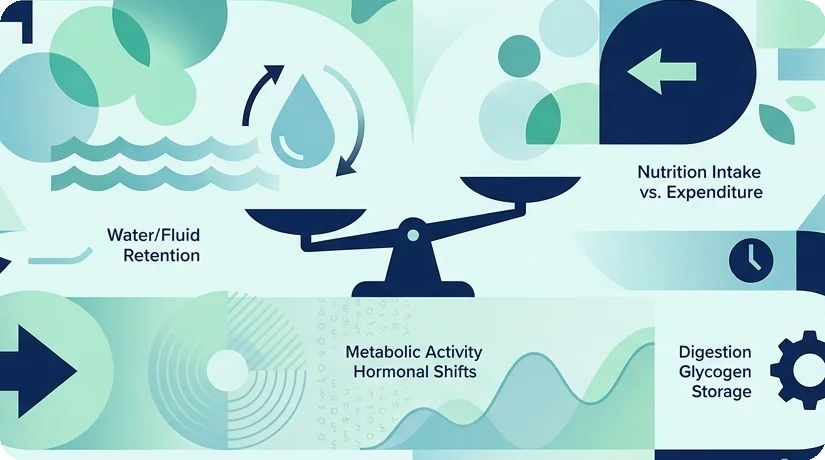
It's a common and frustrating experience: you step on the scale one morning and find your weight has jumped significantly since yesterday. You might immediately feel discouraged, wondering if all your hard work is undone or if your body is uniquely prone to rapid weight gain. The good news is that rapid weight gain in a single day is almost universally due to temporary factors like fluid retention, food volume, or digestive contents, rather than true fat accumulation. Your body's weight is not a static number, and daily fluctuations are completely normal. Understanding these temporary shifts can help you approach your weight loss journey with more patience and a clearer perspective.
Is it Possible to Gain True Fat in Just One Day?
To gain a single pound of body fat, you typically need to consume an excess of approximately 3,500 calories beyond what your body burns. This is a significant caloric surplus. Consider that an average adult might burn between 1,500 and 2,500 calories per day. To gain a pound of fat, you would need to eat 3,500 calories more than that amount. For most people, consuming an additional 3,500 calories in one day, on top of their regular intake, is incredibly difficult, if not impossible. For example, if your maintenance calories are 2000, you would need to eat 5500 calories in a single day to gain one pound of fat.
While an occasional indulgent meal or day of overeating can contribute to a small, gradual increase in fat over time, a sudden, noticeable spike on the scale overnight is rarely fat. Instead, it's the result of several physiological processes that impact your body's water balance and the contents of your digestive system.
What Are the Primary Reasons for Rapid Daily Weight Fluctuations?
Your body is an intricate system, constantly adjusting to what you eat, drink, and how you live. Many factors can cause your weight to swing up or down by several pounds within 24 hours:
Sodium Intake and Water Retention
One of the most common culprits for quick weight gain is high sodium intake. When you consume a lot of salt, your body holds onto more water to maintain a balanced concentration of electrolytes outside your cells. This is a natural protective mechanism. Foods like processed snacks, restaurant meals, canned goods, and fast food are often very high in sodium. After a salty meal, your body might retain several extra pounds of water, which will show up on the scale the next morning. This temporary water weight typically subsides as your body processes the excess sodium and rebalances its fluids.
Carbohydrate Consumption
Carbohydrates are your body's primary energy source. When you eat carbs, your body converts them into glucose, which is then stored as glycogen in your muscles and liver for later use. For every gram of glycogen stored, your body also stores approximately 3-4 grams of water. So, if you have a high-carb meal or day, you'll likely store more glycogen and, consequently, more water, leading to a temporary bump on the scale. This is especially noticeable if you've been on a lower-carb diet and then reintroduce carbohydrates.
Hydration Levels
It might seem counterintuitive, but both dehydration and over-hydration can affect your weight. When you're dehydrated, your body might try to conserve water, leading to temporary retention. Conversely, if you drink a large volume of water in a short period, the sheer weight of that fluid will temporarily increase your scale reading. However, proper hydration is crucial for overall health and metabolism, so don't shy away from water; simply understand its temporary impact on the scale.
Food Volume and Digestion
The sheer physical weight of the food and beverages you consume can also impact your daily weight. After a large meal, especially one rich in fiber, your digestive system will be full. Undigested food, fiber, and waste products in your intestines contribute to your overall body weight. This is perfectly normal and will pass as digestion occurs. It’s not fat, but simply the contents moving through your system.
Hormonal Shifts
For women, hormonal fluctuations throughout the menstrual cycle can significantly impact water retention. Many women experience bloating and a temporary weight increase (often 2-5 pounds) in the days leading up to and during their period due to changes in estrogen and progesterone levels. This is a normal physiological response and usually resolves once the cycle progresses.
Exercise and Muscle Soreness
Intense exercise, especially strength training, can cause tiny micro-tears in your muscle fibers. Your body responds to this by sending extra fluid to the area to aid in repair and reduce inflammation. This process can lead to temporary water retention and a slight increase on the scale for a day or two after a tough workout. This is a sign your muscles are adapting and growing stronger, not that you're gaining fat.
Sleep and Stress
Poor sleep and high stress levels can both influence your body's hormone balance, particularly cortisol. Elevated cortisol can promote water retention and also impact appetite-regulating hormones, potentially leading to increased cravings and a disrupted metabolism. Prioritizing quality sleep and managing stress are vital for consistent weight management.
Certain Medications
Some medications can cause fluid retention as a side effect. If you've started a new medication and noticed sudden weight gain, it's always best to consult your healthcare provider to understand if there's a connection. Never adjust medication dosages without professional guidance.
How Can I Differentiate Between True Fat Gain and Temporary Fluctuations?
The key to understanding your weight progress is to look at trends over time, not daily numbers. Here’s how:
- Weigh Consistently: Always weigh yourself at the same time of day (e.g., first thing in the morning, after using the restroom, before eating or drinking), wearing similar clothing.
- Track Your Weight Over Time: Don't obsess over a single day's reading. Instead, use a tracking app or spreadsheet to observe your weight over a week or even a month. A healthy weight loss journey often involves slight plateaus or even small gains, but the overall trend should be downwards.
- Consider Your Habits: Reflect on what you ate and drank the day before. Did you have a high-sodium meal? A carb-heavy dinner? Did you exercise intensely? These immediate past events are often the explanation for a daily jump.
- Focus on Non-Scale Victories: How do your clothes fit? Are you stronger? Do you have more energy? These indicators often tell a more accurate story about your progress than the scale alone.
Practical Strategies to Manage Daily Weight Swings
While you can't eliminate daily weight fluctuations entirely, you can adopt habits that promote a more stable reading and support your overall weight loss goals:
- Stay Adequately Hydrated: Drinking enough water throughout the day helps your body flush out excess sodium and maintain proper fluid balance. Don't restrict water intake just because you see a higher number on the scale.
- Mind Your Sodium Intake: Be aware of the sodium content in your food, especially processed and restaurant meals. Cooking at home allows you more control over salt levels.
- Balance Carbohydrate Consumption: Instead of fearing carbs, focus on complex carbohydrates (whole grains, vegetables, fruits) in appropriate portions. They are essential for energy and overall health.
- Prioritize Sleep and Stress Management: Aim for 7-9 hours of quality sleep per night and incorporate stress-reducing practices like meditation, yoga, or spending time in nature.
- Maintain a Consistent Weighing Routine: As mentioned, consistency is key. Daily weighing can be useful for data collection, but focus on the weekly or monthly average to gauge real progress.
- Focus on Long-Term Sustainable Habits: Consistent healthy eating, regular physical activity, and sufficient sleep are the foundations of sustainable weight management. AI Weight Coach can be an invaluable partner in this, helping you track your food intake, set realistic calorie and macro goals, and monitor your progress over time with data-driven insights. It provides the tools and guidance to help you build those long-term habits that lead to lasting results.
- Track Your Progress Beyond the Scale: Use AI Weight Coach to log your workouts, monitor your body measurements, and even record how your clothes fit. These non-scale metrics often provide a more encouraging and accurate picture of your body composition changes.
Conclusion
Seeing the number on the scale go up can be disheartening, but understanding the science behind daily weight fluctuations is empowering. Rest assured, a one-day weight gain is almost certainly not true fat gain. It's your body reacting to what you consumed, your activity levels, and your hormonal state. By focusing on consistent healthy habits and interpreting your weight data over weeks and months, you can better understand your body and stay motivated on your weight loss journey. Don't let daily fluctuations derail your progress; instead, use them as information to learn more about your body's unique responses.
Disclaimer: The information provided in this blog post is for educational and informational purposes only and does not constitute medical advice. Always consult with a qualified healthcare professional before making any decisions about your health or treatment.