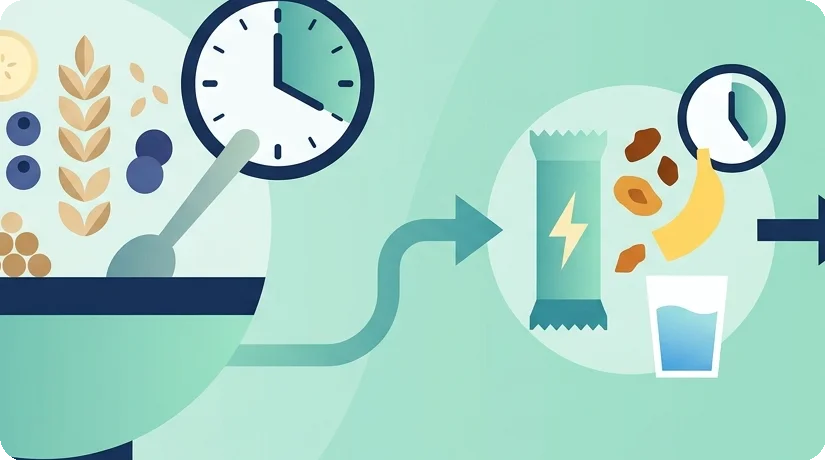
Fueling your body effectively before a workout is crucial for maximizing workout performance, energy levels, and overall results, whether your goal is weight loss, muscle gain, or improved endurance. The ideal pre-workout meal or snack typically consists of a combination of carbohydrates for energy and a smaller amount of protein for muscle protection, consumed anywhere from 30 minutes to 3 hours before your activity, depending on the size and composition of the meal. For larger meals consumed 2-3 hours before exercise, comprehensive pre-workout meals can provide sustained energy for longer or more intense sessions.
Why is Pre-Workout Nutrition So Important?
Think of your body as a high-performance vehicle. Just like a car needs the right fuel to run efficiently, your body needs adequate nutrients to power through exercise. Without proper pre-workout nutrition, you might experience:
- Low Energy: Feeling sluggish or fatigued early in your workout.
- Reduced Performance: Inability to lift as heavy, run as fast, or maintain intensity.
- Increased Muscle Breakdown: Your body may start to break down muscle tissue for energy if carbohydrate stores are depleted.
- Dizziness or Nausea: Especially during intense workouts, inadequate fuel can lead to these uncomfortable symptoms.
Optimal pre-workout nutrition provides your muscles with readily available glucose (from carbohydrates) for energy, helps prevent premature fatigue, and supplies amino acids (from protein) to support muscle repair and growth, setting the stage for a more effective and safer training session.
What Should You Eat Before a Workout? The Macronutrient Breakdown
The best pre-workout foods focus on easily digestible carbohydrates and lean protein, while typically limiting high fat and excessive fiber, especially right before a session.
Carbohydrates: Your Primary Energy Source
Carbohydrates are your body's preferred source of energy during exercise. They are broken down into glucose, which is then stored as glycogen in your muscles and liver. During a workout, this glycogen is converted back into glucose to fuel your activity. The type of carbohydrate matters:
- Complex Carbohydrates (consumed 2-3 hours prior): These provide a sustained release of energy due to their slower digestion. Examples include whole-grain bread, oats, brown rice, sweet potatoes, and quinoa. They are excellent for longer lead times before a workout.
- Simple Carbohydrates (consumed 30-60 minutes prior): These offer a quicker energy boost because they are digested rapidly. Examples include fruit (like a banana or apple), white toast, or a small amount of fruit juice. These are ideal for shorter lead times or a quick top-up.
Protein: Muscle Protection and Repair
While carbohydrates are primarily for energy, including a small amount of protein before your workout can help reduce muscle breakdown during exercise and support muscle recovery. It also contributes to satiety, helping you feel fuller and more energized. Integrating a moderate amount of pre-workout protein alongside carbohydrates helps to protect muscles from breakdown and supports repair during and after your session.
- Lean Protein Sources: Greek yogurt, cottage cheese, eggs, turkey slices, a small scoop of protein powder mixed with water or milk.
Fats: Generally Minimized Before Workouts
Fats are essential for overall health and provide a dense source of energy for very long, low-intensity activities. However, they digest slowly, which can lead to stomach discomfort or sluggishness if consumed in large amounts right before a workout. For most workouts, especially those involving moderate to high intensity, it's best to keep fat intake low in your pre-workout meal.
How Long Before Your Workout Should You Eat? Timing is Key
The timing of your pre-workout meal is just as important as what you eat. It depends on the size and type of meal, as well as your individual digestion speed and the intensity of your planned workout.
2-3 Hours Before: A Balanced Meal
This is the ideal window for a larger, more balanced meal that includes complex carbohydrates, lean protein, and a small amount of healthy fats. This allows ample time for digestion and nutrient absorption, ensuring sustained energy without discomfort.
- Examples:
- Oatmeal with fruit and a scoop of protein powder
- Whole-grain toast with avocado (small amount) and an egg
- Chicken breast with sweet potato and a small side salad
- Greek yogurt with berries and a handful of granola
30-60 Minutes Before: A Quick, Light Snack
If you have less time, opt for a smaller, easily digestible snack primarily focused on simple carbohydrates. If your workout is approaching quickly, a small, easily digestible pre-workout snack can provide a quick energy boost without causing digestive discomfort.
- Examples:
- Banana or an apple
- A small handful of dried fruit
- Rice cakes with a thin spread of jam
- A small fruit smoothie (without too much protein or fat)
Less Than 30 Minutes Before: Hydration and Very Simple Carbs (Optional)
If you're really short on time, focus on hydration. A very small, easily digestible source of simple carbs might be beneficial for a quick energy spike, but avoid anything that could cause stomach upset.
- Examples:
- A few sips of a sports drink (for intense, longer workouts)
- A small piece of fruit like an orange segment
What Should You Avoid Before a Workout?
Just as important as what to eat is what to avoid to prevent discomfort or hinder performance:
- High-Fat Foods: Fried foods, creamy sauces, fatty meats – these take a long time to digest and can cause sluggishness or stomach upset.
- Excessive Fiber: While fiber is crucial for overall health, a large amount right before a workout can lead to bloating, gas, or digestive distress for some individuals.
- Large Meals: Eating a heavy meal too close to your workout can divert blood flow to your digestive system instead of your muscles, leading to cramps and reduced performance.
- Sugary Drinks (except sports drinks for specific uses): While they offer quick sugar, many sodas or highly sweetened beverages lack nutritional value and can lead to a 'sugar crash' later.
- Novel Foods: Stick to foods you know agree with your stomach. Experimenting with new foods right before an important workout is not recommended.
Hydration: Don't Forget Your Fluids!
Adequate hydration is just as vital as proper nutrition. Dehydration can significantly impair performance, increase fatigue, and elevate your heart rate. Aim to:
- Drink 16-20 ounces (about 2-2.5 cups) of water 2-3 hours before exercise.
- Drink 8-10 ounces (about 1-1.25 cups) of water 20-30 minutes before exercise.
- Sip water throughout your workout.
For workouts lasting longer than 60 minutes or in hot, humid conditions, consider an electrolyte-rich sports drink to replenish lost salts.
Tailoring Your Pre-Workout Strategy with AI Weight Coach
Understanding the general guidelines for pre-workout nutrition is a great start, but individual needs vary based on metabolism, workout intensity, duration, and personal preferences. This is where a personalized approach can make a significant difference. AI Weight Coach can be an invaluable tool to help you fine-tune your pre-workout strategy. By tracking your food intake and exercise, you can identify patterns that lead to optimal performance and energy levels. The app's meal planning features can help you integrate ideal pre-workout meals and snacks seamlessly into your daily routine, ensuring you're consistently fueled for success.
Whether you're looking to manage your weight or enhance your fitness, AI Weight Coach provides the insights and guidance to help you make informed decisions about your nutrition, ensuring you're ready to tackle every workout with vigor.
Key Takeaways for Optimal Pre-Workout Fueling
- Prioritize Carbohydrates: They are your body's main energy source.
- Add Lean Protein: For muscle protection and satiety.
- Mind the Timing: Bigger meals 2-3 hours out, smaller snacks 30-60 minutes out.
- Keep Fats Low: Especially close to your workout.
- Stay Hydrated: Water is non-negotiable for performance.
- Listen to Your Body: Experiment to find what works best for you and your digestion.
Disclaimer: This blog post provides general information and is not intended to be a substitute for professional medical advice, diagnosis, or treatment. Always seek the advice of your physician or other qualified health provider with any questions you may have regarding a medical condition or before starting any new diet or exercise program.