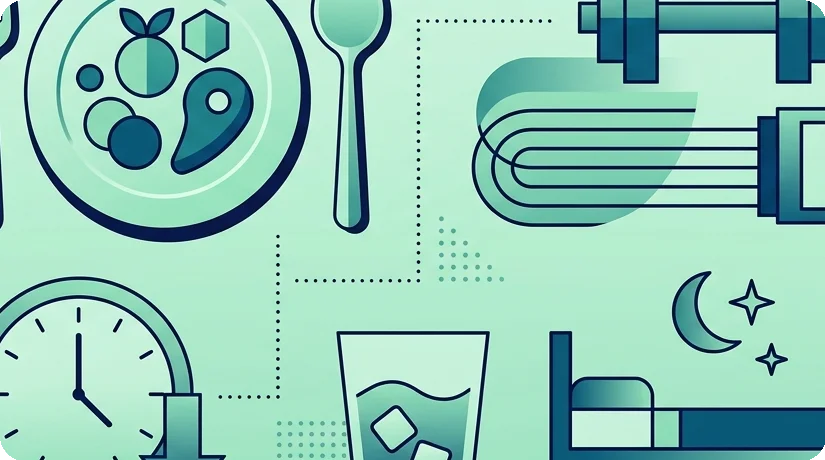
Many men over 40 find themselves searching for answers on platforms like Reddit, asking how to effectively lose weight, often feeling like their body just isn't cooperating anymore. The good news is that losing weight after 40 is absolutely possible for men, though it often requires a more strategic and consistent approach to nutrition, exercise, and lifestyle changes to account for natural physiological shifts like a slowing metabolism and hormonal fluctuations.
Why is Losing Weight After 40 Different for Men?
While the fundamental principles of weight loss (calorie deficit) remain, men over 40 face unique challenges that can make shedding pounds feel more difficult than in their younger years. Understanding these factors is the first step toward developing an effective strategy.
How Does Metabolism Slow Down After 40?
As men age, their Basal Metabolic Rate (BMR) naturally declines. This means your body burns fewer calories at rest simply to maintain basic bodily functions. This slowdown is partly due to a natural decrease in muscle mass (sarcopenia) that begins in your 30s and accelerates over time. Muscle tissue is more metabolically active than fat tissue, so losing muscle means burning fewer calories overall, making it easier to gain weight if dietary intake isn't adjusted.
What Impact Do Hormonal Shifts Have on Weight Loss?
Testosterone levels in men typically begin to decline around age 30 and continue to drop gradually. This decline can contribute to a decrease in muscle mass, an increase in body fat (especially around the abdomen), reduced energy levels, and a lower sex drive. Understanding how declining testosterone levels contribute to decreased muscle mass and increased body fat is crucial for men over 40 experiencing weight gain, as these hormonal shifts can make it harder to build and maintain muscle, impact motivation for exercise, and influence where fat is stored, making weight loss feel like an uphill battle.
How Do Lifestyle Factors Contribute to Weight Gain After 40?
Beyond biology, lifestyle often plays a significant role. Men in their 40s often juggle demanding careers, family responsibilities, and increasing stress, which can lead to:
- Less time for exercise: Fitness routines may take a backseat.
- Poor dietary choices: Convenience foods, frequent eating out, and larger portions become more common.
- Increased stress levels: Chronic stress elevates cortisol, a hormone linked to increased appetite and belly fat storage.
- Sleep deprivation: Insufficient sleep can disrupt hunger hormones (ghrelin and leptin) and slow metabolism.
What Are the Most Effective Diet Strategies for Men Over 40?
Effective weight loss after 40 hinges on smart nutrition, focusing on nutrient density and sustainable habits rather than extreme restrictions. Addressing the natural slowing of metabolism after 40 requires a strategic nutritional approach, focusing on diets that support metabolic health for sustainable weight loss. Think long-term, not quick fixes.
Why Should Men Over 40 Prioritize Protein?
Increasing your protein intake is one of the most impactful dietary strategies for men over 40. Protein helps preserve muscle mass, which is crucial for maintaining a healthy metabolism. It's also highly satiating, helping you feel fuller for longer and reducing overall calorie intake. Aim for lean protein sources at every meal, such as:
- Chicken breast, turkey, lean beef
- Fish (salmon, tuna, cod)
- Eggs
- Greek yogurt, cottage cheese
- Legumes (beans, lentils)
- Protein powder (whey, casein, plant-based)
How Can Whole Foods Improve Weight Loss?
Shifting your diet towards whole, unprocessed foods is fundamental. These foods are rich in nutrients and fiber, which aid digestion, promote satiety, and provide sustained energy. Minimize processed snacks, sugary drinks, and refined grains. Instead, focus on:
- Fruits and vegetables: High in fiber, vitamins, and minerals, low in calories.
- Whole grains: Oats, quinoa, brown rice provide complex carbohydrates and fiber.
- Healthy fats: Avocados, nuts, seeds, olive oil offer satiety and essential fatty acids.
Is Calorie Awareness Essential, Not Extreme Restriction?
Yes. Creating a modest calorie deficit is necessary for weight loss, but extreme restriction is unsustainable and can be detrimental to your metabolism and muscle mass. Focus on a slight deficit (e.g., 300-500 calories less than your maintenance) that you can maintain consistently. Tools like the AI Weight Coach app can help you accurately track your intake and understand your personal calorie needs, ensuring you're fueling your body appropriately while still progressing towards your goals.
What Role Do Mindful Eating and Hydration Play?
Paying attention to your body's hunger and fullness cues can prevent overeating. Eat slowly, savor your food, and put away distractions. Also, ensure you're drinking plenty of water throughout the day. Often, thirst is mistaken for hunger, and staying hydrated can help curb unnecessary snacking and supports overall metabolic function.
How Can Men Over 40 Optimize Exercise for Weight Loss?
Exercise is critical, but the type and intensity of your workouts might need to evolve to be most effective after 40.
Why is Strength Training Key for Men Over 40?
Strength training is arguably the single most important exercise for men over 40 aiming to lose weight. As muscle mass naturally declines with age, incorporating targeted strength training workouts is essential for men over 40 to boost metabolism and combat sarcopenia. It directly combats muscle loss, boosts your metabolism by increasing lean mass, and improves bone density. Aim for 2-3 full-body strength training sessions per week, focusing on compound movements like squats, deadlifts, presses, and rows. If you're new to strength training, consider working with a personal trainer to learn proper form and prevent injury.
How Can Cardiovascular Exercise Contribute?
While strength training builds muscle, cardiovascular exercise helps burn calories and improves heart health. Incorporate moderate-intensity cardio (brisk walking, jogging, cycling, swimming) for 150-300 minutes per week, or 75-150 minutes of vigorous-intensity cardio. High-Intensity Interval Training (HIIT) can also be effective for calorie burn and metabolic boost, but listen to your body and ensure adequate recovery.
Why are Consistency and Recovery Important?
Consistency is more important than intensity. Find a routine you can stick with long-term. Also, prioritize recovery. As you age, your body takes longer to recover from strenuous workouts. Ensure you get adequate sleep, incorporate stretching or foam rolling, and take rest days to prevent overtraining and injury.
Beyond Diet and Exercise: Lifestyle Factors That Matter
Weight loss is a holistic process. Don't overlook these crucial lifestyle elements.
The Importance of Quality Sleep
Chronic sleep deprivation wreaks havoc on your metabolism and hormones. It can increase cortisol levels, disrupt ghrelin and leptin (hunger-regulating hormones), leading to increased appetite and cravings for unhealthy foods. Aim for 7-9 hours of quality sleep per night. Establish a consistent sleep schedule and create a relaxing bedtime routine.
Stress Management Techniques
Chronic stress elevates cortisol, which not only promotes fat storage (especially visceral fat around the organs) but can also increase emotional eating. Find healthy ways to manage stress, such as:
- Meditation or mindfulness
- Yoga or deep breathing exercises
- Spending time in nature
- Hobbies and social connection
Building a Supportive Community
Connecting with others who share similar goals, much like the community on Reddit, can provide invaluable motivation and accountability. Whether it's a local fitness group, a supportive friend, or an online community, having people to share successes and challenges with can significantly impact your journey. Many AI Weight Coach users find motivation and accountability within the app's structured programs and resources.
When Should You Consult a Healthcare Professional?
Before embarking on any significant weight loss journey, especially after 40, it's always wise to consult with a healthcare professional. They can:
- Assess your current health status and identify any underlying medical conditions.
- Discuss how certain medications you may be taking could impact weight.
- Help set realistic and healthy goals.
- Provide guidance on specific medical interventions if appropriate, such as certain medications that aid weight management. Always discuss the risks and benefits of any medication with your doctor.
Conclusion
Losing weight after 40 as a man might present a unique set of challenges, but it is entirely achievable and incredibly beneficial for your long-term health and well-being. By understanding the physiological shifts at play and adopting a consistent, holistic approach that prioritizes protein, strength training, whole foods, adequate sleep, and stress management, you can successfully reach your goals. Remember, consistency and patience are your greatest allies. Embrace these strategies, consider using a supportive tool like the AI Weight Coach for personalized guidance, and invest in your health for years to come.
Disclaimer: The information provided in this article is for educational purposes only and is not intended as medical advice. Always consult with a qualified healthcare professional before making any changes to your diet, exercise routine, or health regimen, especially if you have underlying health conditions or are taking medications.