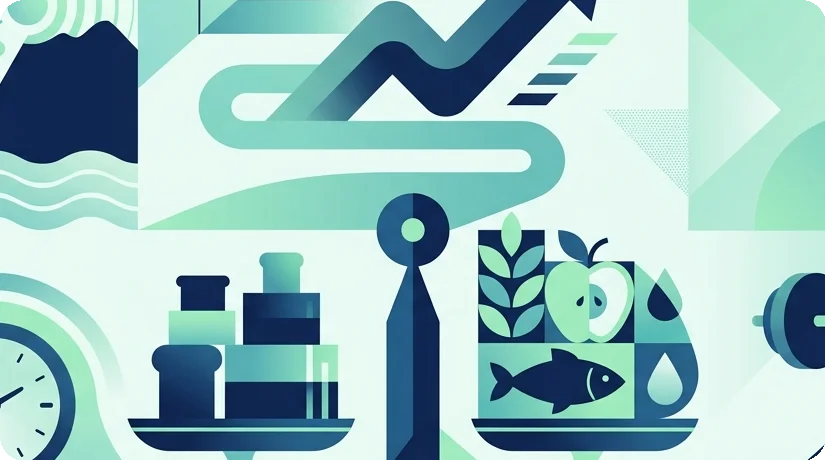
Losing weight after 40 for men requires a strategic approach addressing metabolic shifts, hormonal changes, and lifestyle factors through targeted nutrition, consistent exercise, and improved sleep. While it can feel more challenging than in younger years, with the right strategies and a commitment to sustainable habits, significant progress is absolutely achievable.
Understanding the unique physiological changes that occur in men after 40 is the first step toward developing an effective weight loss plan. This guide will provide actionable, evidence-based advice to help you navigate these changes and achieve your weight loss goals.
Why Does Weight Loss Get Harder for Men After 40?
As men enter their 40s and beyond, several physiological and lifestyle factors conspire to make weight management more difficult. Recognizing these challenges, particularly understanding how hormonal imbalances, particularly the decline in testosterone after 40, can significantly impact weight gain, is crucial for men developing an effective weight loss strategy.
Hormonal Shifts: The Role of Testosterone
One of the most significant changes is a gradual decline in testosterone levels, a process known as andropause. Testosterone plays a vital role in maintaining muscle mass, bone density, and regulating metabolism. Lower testosterone can lead to:
- Decreased Muscle Mass: Less muscle means a lower resting metabolic rate, as muscle tissue burns more calories than fat, even at rest.
- Increased Fat Storage: Especially around the abdomen (visceral fat), which is linked to various health risks.
- Reduced Energy and Motivation: Making it harder to stick to an exercise routine.
Metabolic Slowdown
Beyond hormonal changes, your metabolism naturally slows with age. This means your body burns fewer calories at rest than it did in your 20s or 30s. If your caloric intake remains the same while your metabolism decreases, weight gain is a likely outcome.
Lifestyle Factors and Stress
Life after 40 often comes with increased responsibilities and stress – career demands, family commitments, and financial pressures. Chronic stress can elevate cortisol levels, a hormone known to promote fat storage, particularly in the abdominal area. Furthermore, busy schedules can lead to:
- Less time for meal preparation, resulting in reliance on convenient, often unhealthy, processed foods.
- Reduced physical activity due to perceived lack of time or energy.
- Disrupted sleep patterns, which can negatively impact hunger hormones (ghrelin and leptin).
What Dietary Changes Are Most Effective for Men Over 40?
Nutrition is a cornerstone of weight loss at any age, but it becomes even more critical after 40. Focusing on whole, nutrient-dense foods and mindful eating practices can make a significant difference.
Prioritize Protein and Fiber
- Protein: Prioritizing adequate dietary protein intake (e.g., lean meats, fish, eggs, dairy, legumes) is vital for men over 40, as it helps preserve muscle mass, increases satiety, and supports a higher metabolic rate essential for weight loss.
- Fiber: Found in fruits, vegetables, whole grains, and legumes, fiber helps you feel full longer, aids digestion, and can help regulate blood sugar levels.
Focus on Whole, Unprocessed Foods
Minimize your intake of processed foods, sugary drinks, and refined carbohydrates. These items often contain empty calories, unhealthy fats, and added sugars that contribute to weight gain and inflammation. Instead, build your diet around:
- Lean proteins
- Plenty of colorful vegetables and fruits
- Healthy fats (avocado, nuts, seeds, olive oil)
- Complex carbohydrates (whole grains like oats, quinoa, brown rice)
Practice Calorie Awareness and Mindful Eating
While you don't necessarily need to count every calorie, being aware of your overall intake is vital. Your caloric needs are likely lower than they were previously. Tools like AI Weight Coach can help you track your intake, understand portion sizes, and identify areas where you might be consuming excess calories without realizing it. Mindful eating involves paying attention to your hunger and fullness cues, eating slowly, and savoring your meals.
How Can Exercise Help Men Over 40 Lose Weight?
Exercise is indispensable for weight loss and overall health, especially for men over 40. A balanced routine incorporating strength training and cardiovascular activity is most effective.
Embrace Strength Training
For men over 40 looking to lose weight, incorporating strength training workouts specifically designed for men over 40 is arguably the most critical form of exercise. This approach is crucial to counteract muscle loss, boost metabolism, and improve body composition. It helps to:
- Build and Preserve Muscle Mass: Counteracting age-related muscle loss and boosting your metabolism.
- Improve Bone Density: Reducing the risk of osteoporosis.
- Enhance Functional Strength: Making everyday tasks easier and reducing injury risk.
Aim for 2-3 full-body strength training sessions per week. Focus on compound movements like squats, deadlifts, presses, and rows.
Incorporate Cardiovascular Exercise
Cardio remains essential for heart health, calorie burning, and improving stamina. Aim for at least 150 minutes of moderate-intensity cardio (brisk walking, cycling, swimming) or 75 minutes of vigorous-intensity cardio (running, HIIT) per week.
Listen to Your Body and Prioritize Recovery
As you age, recovery becomes more important. Don't push through pain, and ensure you're getting adequate rest between workouts. Incorporate flexibility and mobility work to prevent injuries.
What Lifestyle Factors Support Weight Loss After 40?
Beyond diet and exercise, several lifestyle factors profoundly impact your ability to lose weight and maintain it.
Prioritize Quality Sleep
Insufficient sleep disrupts hormones that regulate hunger (ghrelin and leptin), leading to increased appetite and cravings for unhealthy foods. Aim for 7-9 hours of quality sleep per night. Establish a consistent sleep schedule and create a relaxing bedtime routine.
Manage Stress Effectively
Chronic stress elevates cortisol, which can sabotage weight loss efforts. Find healthy ways to manage stress, such as:
- Meditation or mindfulness
- Spending time in nature
- Hobbies and social connections
- Deep breathing exercises
Stay Hydrated
Drinking plenty of water throughout the day is crucial. Water can help you feel full, supports metabolic processes, and is essential for overall health. Often, thirst is mistaken for hunger.
Seek Accountability and Support
Having a support system can significantly boost your success. Whether it's a friend, family member, or a digital tool like AI Weight Coach, accountability can keep you motivated and on track. AI Weight Coach offers personalized insights and tracking to help you monitor your progress and make informed decisions.
Is Medical Intervention an Option for Weight Loss After 40?
For some men, particularly those with significant weight to lose or underlying health conditions, medical intervention might be a consideration. It's crucial to consult with a healthcare provider to discuss all options. Your doctor can assess your overall health, identify any medical reasons for weight gain, and recommend appropriate strategies.
In certain circumstances, a doctor might discuss pharmacotherapy options, such as GLP-1 receptor agonists, which can assist with weight management by affecting appetite and satiety. However, these are typically prescribed as part of a comprehensive plan that includes diet and exercise changes, and they always require ongoing medical supervision. They are not a standalone solution, and their suitability should be determined by a qualified medical professional.
Disclaimer:
The information provided in this article is for educational purposes only and is not intended as medical advice. Always consult with a qualified healthcare professional before making any significant changes to your diet, exercise routine, or health regimen, especially if you have existing medical conditions or are taking medications.