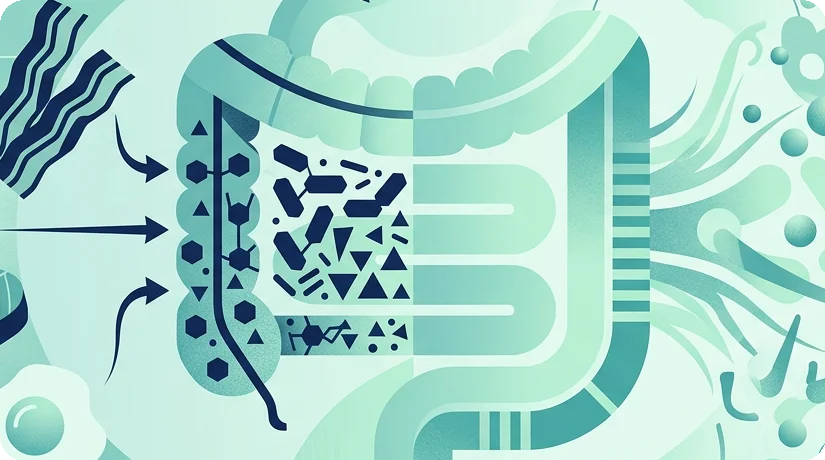
Is keto good for gut health? The ketogenic diet's impact on gut health is multifaceted and not universally positive or negative. While some individuals may experience improvements in certain digestive symptoms, keto primarily alters the gut microbiome by significantly reducing the intake of fermentable carbohydrates. Alongside the ketogenic diet, practices like intermittent fasting and gut health strategies are gaining attention for their potential to influence the microbiome and metabolic state, offering complementary approaches to digestive wellness. This shift can decrease the diversity of beneficial bacteria that thrive on these fibers, while potentially promoting the growth of other bacterial strains, leading to varied effects depending on an individual's unique physiology and diet adherence.
What is the Ketogenic Diet and How Does it Affect the Body?
The ketogenic diet is a very low-carbohydrate, high-fat, and moderate-protein eating plan. Its primary goal is to shift the body's metabolism from burning glucose (sugar) for energy to burning fat, producing compounds called ketones. While keto profoundly impacts gut health and shifts metabolism in this way, it's crucial to consider how various diets for metabolic health can influence overall well-being, including glucose regulation and energy production, offering diverse approaches to wellness. When the body enters this metabolic state, known as ketosis, ketones become the main fuel source for most cells, including those in the brain. This metabolic shift to burning fat for fuel is often a key strategy in understanding insulin resistance, a condition where gut health and microbial balance can play a significant modulating role.
Typical macronutrient ratios for a ketogenic diet often hover around 70-75% fat, 20-25% protein, and 5-10% carbohydrates. This drastic reduction in carbohydrate intake, often to less than 50 grams per day, means eliminating most grains, legumes, starchy vegetables, and many fruits. While effective for weight loss and sometimes therapeutic for certain medical conditions, this dietary shift has profound implications for the digestive system, particularly the gut microbiome, which relies heavily on dietary fiber for fuel.
How Does the Keto Diet Impact Gut Microbiome Diversity?
The gut microbiome, a complex ecosystem of trillions of microorganisms residing in our digestive tract, plays a critical role in digestion, immune function, and overall health. Its diversity and balance are key indicators of gut health. The ketogenic diet's effect on this ecosystem is one of its most debated aspects.
- Reduced Fiber Intake: A core principle of keto is severe carbohydrate restriction, which often translates to a significantly lower intake of dietary fiber. Fiber is the primary food source for many beneficial gut bacteria. A lack of fermentable fibers can lead to a decrease in the abundance and diversity of these bacteria, which are crucial for producing short-chain fatty acids (SCFAs) like butyrate, acetate, and propionate. SCFAs are vital for gut lining integrity, immune regulation, and anti-inflammatory processes.
- Shifts in Bacterial Populations: Research on keto's impact on the gut microbiome has shown mixed results. Some studies indicate a reduction in beneficial bacteria like Bifidobacterium and Lactobacillus species, which are known to be abundant in carbohydrate-rich diets. However, other studies suggest an increase in certain beneficial strains, such as Akkermansia muciniphila, which is associated with improved metabolic health and gut barrier function, or Faecalibacterium prausnitzii, a major butyrate producer. The specific changes often depend on the individual's baseline microbiome, the exact composition of the ketogenic diet (e.g., types of fats, amount of non-starchy vegetables), and the duration of the diet.
- Potential Anti-inflammatory Effects: While some bacterial populations may decrease, the ketogenic diet's overall anti-inflammatory properties, partly mediated by ketones, might indirectly benefit the gut by reducing systemic inflammation that could otherwise negatively impact the gut lining.
Can Keto Help with Gut-Related Issues Like IBS or Inflammation?
For some individuals, particularly those struggling with certain gut-related issues, the ketogenic diet might offer symptomatic relief, at least in the short term. Here's why:
- Reduction of Fermentable Carbohydrates (FODMAPs): Many high-carb foods, especially those high in FODMAPs (Fermentable Oligosaccharides, Disaccharides, Monosaccharides, and Polyols), can trigger symptoms in individuals with Irritable Bowel Syndrome (IBS). Since the keto diet drastically limits these carbohydrates, it can inadvertently act as a low-FODMAP diet, potentially reducing bloating, gas, and abdominal pain for sensitive individuals.
- Elimination of Potential Irritants: By cutting out grains, legumes, and processed foods, the keto diet also removes common dietary irritants such as gluten, refined sugars, and certain additives, which can contribute to gut inflammation and discomfort in susceptible people.
- Anti-inflammatory Effects: The metabolic state of ketosis itself has been linked to reduced inflammation throughout the body, including the gut. This could be beneficial for conditions characterized by chronic inflammation.
It's crucial to note that while anecdotal reports are common, scientific evidence for keto as a long-term solution for conditions like IBS is still emerging and often specific to individual cases. Consulting a healthcare professional is always recommended before using diet as a primary treatment for medical conditions.
What Are the Potential Downsides of Keto for Gut Health?
Despite potential benefits for some, the ketogenic diet also carries potential downsides for gut health that should be considered:
- Constipation: One of the most common complaints on keto is constipation, directly linked to the reduced intake of dietary fiber. Fiber adds bulk to stool and facilitates its passage through the intestines. Without adequate fiber, bowel movements can become infrequent and difficult.
- Reduced Microbial Diversity: While certain bacteria may thrive, the overall reduction in carbohydrate intake can lead to a less diverse microbiome over time. A diverse gut ecosystem is generally considered more resilient and capable of performing a wider range of beneficial functions. Long-term impacts of consistently low fiber on gut diversity are a subject of ongoing research.
- Nutrient Deficiencies: If not carefully planned, a ketogenic diet can lead to deficiencies in micronutrients often found in carbohydrate-rich foods, which can indirectly affect gut health and overall well-being. For example, certain B vitamins, magnesium, and potassium are vital for digestive function and can be harder to obtain.
- Initial Digestive Upset: During the initial adaptation phase to ketosis (often called the 'keto flu'), some individuals may experience gastrointestinal distress, including nausea, diarrhea, or exacerbated constipation, as their body adjusts to the drastic dietary change.
How Can You Support Gut Health While on a Ketogenic Diet?
If you choose to follow a ketogenic diet, you can take proactive steps to mitigate potential negative impacts on your gut health and support a thriving microbiome:
- Prioritize Fiber-Rich, Keto-Friendly Foods: Focus on non-starchy vegetables that are low in net carbs but high in fiber. Examples include leafy greens (spinach, kale), broccoli, cauliflower, asparagus, avocado, and Brussels sprouts. Nuts and seeds (chia seeds, flaxseeds, almonds) are also excellent sources of fiber and healthy fats.
- Stay Hydrated: Drinking plenty of water is crucial for preventing constipation, especially when fiber intake changes.
- Incorporate Fermented Foods: Keto-friendly fermented foods like sauerkraut, kimchi, and some full-fat unsweetened yogurts (if dairy is tolerated and carb counts are low) can introduce beneficial probiotics to your gut.
- Consider Prebiotic and Probiotic Supplements (with caution): If you struggle to get enough gut-supporting nutrients from food, discuss with your healthcare provider whether a targeted probiotic or prebiotic supplement (e.g., psyllium husk, chicory root fiber – check carb content) might be appropriate. Always consult a professional before adding supplements.
- Monitor Your Body's Response: Pay close attention to how your body reacts to the diet. Track digestive symptoms, energy levels, and overall well-being. Tools like AI Weight Coach can help you track your macro intake and ensure you're incorporating enough nutrient-dense, fiber-rich ketogenic foods to support overall well-being, including gut health, and monitor changes over time.
Is Keto Right for Everyone's Gut Health?
The question of whether keto is 'good' for gut health doesn't have a universal answer. Gut health is highly individualized, influenced by genetics, lifestyle, medication, and previous dietary patterns. What works wonderfully for one person might cause significant issues for another. Factors to consider include:
- Pre-existing Conditions: Individuals with certain digestive disorders, kidney issues, or gallbladder problems may find the ketogenic diet challenging or even detrimental.
- Long-term Sustainability: The long-term effects of chronic low fiber intake on the gut microbiome are still being researched. For some, maintaining a strict keto diet with adequate fiber can be difficult, leading to less optimal gut health over time. To make informed choices about its long-term viability and address common concerns, understanding common keto myths debunked can help clarify misconceptions about the diet's effects on the body, especially concerning nutrient deficiencies and overall health.
- Individual Variability: Some people's microbiomes are more resilient to dietary shifts, while others may be more sensitive. Understanding how your body responds to dietary changes is key, and tools like AI Weight Coach can help you monitor your symptoms and progress effectively.
Ultimately, a diet that supports gut health is one that is balanced, provides a variety of nutrients, and promotes microbial diversity. For many, this might mean a more moderate approach to carbohydrate restriction that still allows for ample intake of diverse plant fibers. Before making significant dietary changes, especially if you have pre-existing health conditions or concerns about your gut health, it is always best to consult with a qualified healthcare professional or a registered dietitian.
General Disclaimer:
The information provided in this article is for educational and informational purposes only and is not intended as medical advice. Always consult with a qualified healthcare professional or registered dietitian before making any significant changes to your diet or lifestyle, especially if you have underlying health conditions or are taking medications. Individual results with dietary changes may vary.