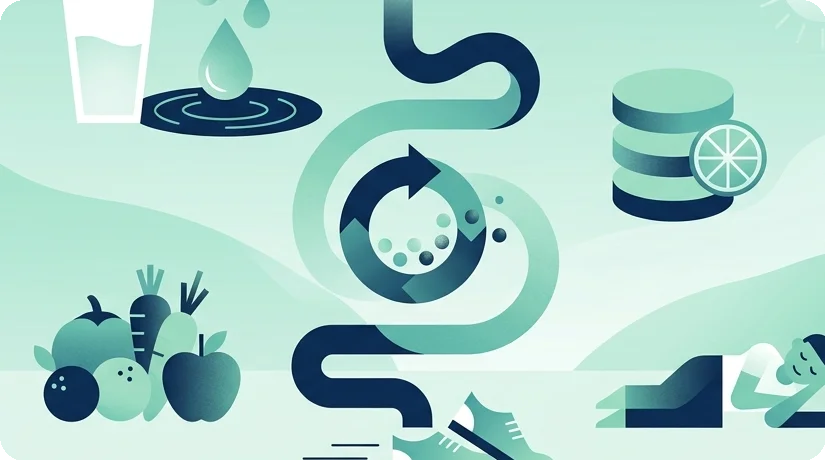
Holidays are a time for relaxation, indulgence, and creating memories, but for many, they can also bring the unwelcome guest of bloating. Whether it's from new foods, disrupted routines, or increased stress, feeling uncomfortably full can detract from your travel enjoyment. To reduce bloating on holiday, focus on mindful eating practices, staying consistently well-hydrated with water, making conscious choices about your food and drink, and actively managing any travel-related stress. Understanding the principles of anti-bloating diets can empower you to make informed food choices that keep your digestive system happy, even amidst holiday indulgence.
Why Do We Often Get Bloated on Holiday?
Bloating, that sensation of a full, tight, or distended abdomen, is a common complaint, especially when our routines are disrupted. Holidays often involve several factors that can contribute to this uncomfortable feeling:
- Dietary Changes: Trying new cuisines, eating richer foods, larger portions, or having more meals out can introduce unfamiliar ingredients or simply overload your digestive system. Foods high in sodium, sugar, or unhealthy fats are common culprits.
- Hydration Habits: While you might drink more, it could be more alcohol or sugary beverages, which can actually dehydrate you and lead to water retention and bloating. Reduced plain water intake is a significant factor.
- Travel Stress and Disruption: Travel itself can be stressful, disrupting sleep patterns and bowel regularity. Stress can impact gut motility and increase sensitivity to bloating.
- Sedentary Behavior: Long flights or car rides, followed by less physical activity than usual, can slow down digestion and contribute to gas buildup.
- Air Pressure Changes: During flights, changes in cabin pressure can cause gas in the intestines to expand, leading to temporary bloating.
What Foods and Drinks Contribute to Holiday Bloating?
Understanding which common holiday culprits might be causing your discomfort can help you make more informed choices:
- High-Sodium Foods: Restaurant meals, processed snacks, and many international dishes can be surprisingly high in sodium. Sodium causes your body to retain water, leading to a puffy, bloated feeling.
- Sugary Drinks and Alcohol: Sodas, fruit juices, and alcoholic beverages often contain high amounts of sugar or artificial sweeteners, which can feed gut bacteria and produce gas. Alcohol itself can be dehydrating and irritating to the digestive tract.
- High-Fat Meals: Rich, fatty foods take longer to digest, slowing gastric emptying and contributing to a feeling of fullness and bloating. Think heavy sauces, fried foods, and decadent desserts.
- Carbonated Beverages: The gas in sparkling water, sodas, and beer can get trapped in your digestive system, directly causing gas and bloating.
- Certain Fibrous Foods: While fiber is generally good, some high-fiber foods, especially certain vegetables (like broccoli, cabbage, beans) or whole grains, can produce gas during digestion, particularly if your body isn't used to them or you consume them in large quantities. This is often related to FODMAPs (Fermentable Oligosaccharides, Disaccharides, Monosaccharides, and Polyols) for sensitive individuals.
- Artificial Sweeteners: Sugar alcohols like sorbitol, xylitol, and mannitol, often found in 'sugar-free' products, are known to cause gas, bloating, and diarrhea in some people.
Practical Strategies to Minimize Bloating While Traveling
You don't have to sacrifice all holiday treats to avoid bloating. With a few smart strategies, you can enjoy your trip without discomfort:
Practice Mindful Eating
- Eat Slowly and Chew Thoroughly: Rushing meals and not fully chewing your food can lead to swallowing excess air, which causes gas. Savor your meals.
- Portion Control: Holidays often mean bigger plates. Try to be mindful of your serving sizes. AI Weight Coach can be an excellent tool here, even on holiday. While you might not track every single macro, simply logging your meals can make you more aware of how much you're consuming.
- Avoid Overeating: Stop eating when you feel satisfied, not stuffed.
Hydration is Your Best Friend
- Drink Plenty of Water: Aim for consistent water intake throughout the day. This helps your digestive system function smoothly and can prevent water retention caused by dehydration. Carry a reusable water bottle.
- Limit Sugary Drinks and Alcohol: Opt for water. Beyond plain water, certain herbal teas for digestion, such as peppermint or ginger, can be particularly soothing for your digestive system, actively working to calm inflammation and reduce discomfort caused by holiday bloating. You can also choose sparkling water with a squeeze of lemon or lime instead. If you do enjoy alcohol, alternate each alcoholic drink with a glass of water.
Make Smart Food Choices
- Focus on Lean Proteins and Non-Starchy Vegetables: These are generally easier to digest. Grilled fish, chicken, and salads (with light dressing) are great options.
- Be Wary of High-Sodium and Processed Foods: Choose fresh, whole foods whenever possible. If eating out, ask for sauces on the side or choose simpler preparations.
- Identify Personal Triggers: If you know certain foods consistently cause you bloating (e.g., dairy, specific grains, high FODMAP vegetables), try to limit them, especially when you're already in a new environment.
- Choose Digestive Aids Wisely: Over-the-counter remedies like simethicone (gas relief) or digestive enzymes might offer temporary relief for some. Always consult with a healthcare professional before taking any new supplements or medications.
Stay Active
Even when travel disrupts regular activity, incorporating gentle exercises for bloating relief, like short walks, can significantly aid digestion and alleviate bloating.
- Walk Whenever Possible: Explore your destination on foot. Light walking can stimulate bowel movements and help move gas through your digestive system.
- Incorporate Light Exercise: Even a short yoga session or a swim can make a big difference.
Manage Stress and Rest
- Prioritize Sleep: A well-rested body functions better, including digestion.
- Practice Relaxation: Deep breathing exercises, meditation, or simply taking time to unwind can help calm your nervous system, which has a direct link to gut health.
Consider Probiotics (with caution)
Some people find that taking a probiotic supplement can help maintain a healthy gut flora, especially when traveling. However, not all probiotics are created equal, and their effectiveness varies from person to person. It's always best to consult your doctor before starting any new supplement, particularly if you have underlying health conditions.
How Can AI Weight Coach Help You Stay on Track?
Even on holiday, maintaining a sense of control over your health goals can prevent post-vacation regrets. AI Weight Coach can be a helpful companion by:
- Promoting Awareness: The simple act of logging what you eat, even if not perfectly precise, can make you more mindful of your choices. This helps you identify patterns that might lead to bloating.
- Encouraging Hydration: Use the app to track your water intake and ensure you're meeting your daily goals.
- Facilitating Healthy Habits: By providing structure and accountability, AI Weight Coach can help you stick to your broader nutrition and wellness goals, making it easier to return to your routine post-holiday.
Enjoy Your Holiday Bloat-Free!
Holidays are meant for enjoyment, not discomfort. By implementing these practical strategies, you can significantly reduce the chances of experiencing bloating and ensure your focus remains on creating wonderful memories. Remember, it's about balance and mindful choices, not strict deprivation. Listen to your body, stay hydrated, and savor every moment.
Disclaimer: The information provided in this blog post is for general educational purposes only and is not intended as medical advice. Always consult with a qualified healthcare professional before making any decisions about your health or treatment.