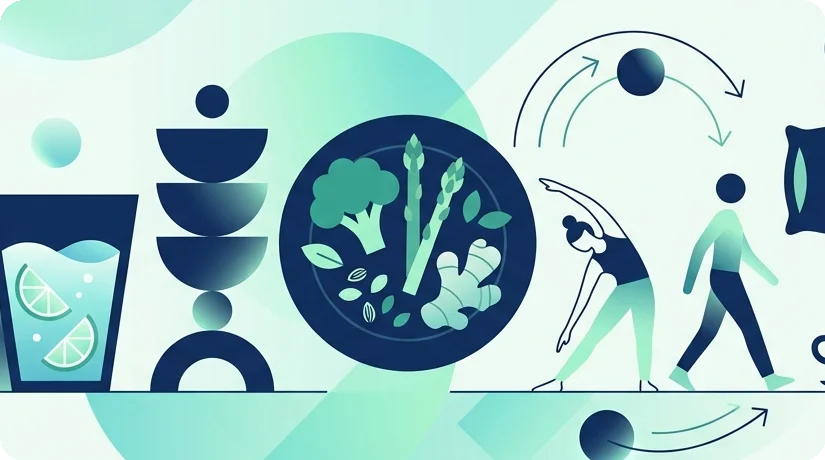
Experiencing bloating during your period is a common occurrence, affecting a significant number of individuals. This often uncomfortable sensation is typically caused by hormonal fluctuations that lead to increased fluid retention and changes in digestive patterns. Effectively reducing period bloat involves a combination of dietary adjustments, maintaining good hydration, and engaging in gentle physical activity to help manage fluid balance and support digestive health.
Why do we experience bloating during our period?
Period bloating, medically known as premenstrual bloating, is primarily linked to the hormonal shifts that occur throughout the menstrual cycle. As your period approaches, levels of estrogen and progesterone fluctuate significantly. High estrogen levels, common in the days leading up to menstruation, can cause the body to retain more water and sodium. This increased fluid retention is a primary cause of period bloating and can be linked to temporary water retention and weight gain. Progesterone, while vital for uterine lining development, also plays a role; its surge can relax smooth muscles in the digestive tract, potentially slowing digestion and leading to constipation and gas buildup, which contributes to the feeling of being bloated.
- Hormonal Fluctuations: Changes in estrogen and progesterone directly impact the body's fluid balance.
- Sodium and Water Retention: Higher estrogen levels can prompt the kidneys to retain more sodium, leading to increased water retention.
- Slower Digestion: Progesterone can relax the muscles of the gastrointestinal tract, slowing transit time and potentially causing constipation and gas.
- Prostaglandins: These hormone-like substances, released during menstruation, can also cause uterine contractions and sometimes affect nearby intestinal muscles, leading to digestive discomfort.
Understanding these underlying causes can empower you to make more informed choices to alleviate the discomfort.
What dietary changes can help reduce period bloating?
Your diet plays a crucial role in managing period bloating. Making mindful adjustments, often part of anti-bloating diets, can significantly impact how your body handles fluid retention and digestive processes during your menstrual cycle.
Reduce Sodium Intake
Sodium is a major culprit in water retention. Consuming high-sodium foods, such as processed snacks, canned soups, frozen meals, and fast food, can worsen bloating. Aim to reduce your intake of these items and opt for fresh, whole foods seasoned with herbs and spices instead of excessive salt. Reading food labels for sodium content can be very helpful.
Increase Potassium-Rich Foods
Potassium helps to balance sodium levels in the body and can act as a natural diuretic, encouraging the excretion of excess water. Incorporate foods like bananas, spinach, avocados, sweet potatoes, and oranges into your diet. These foods can help counteract the fluid-retaining effects of sodium and promote a healthier fluid balance.
Eat More Fiber
While some fiber-rich foods can initially cause gas, a consistent intake of dietary fiber is essential for maintaining regular bowel movements and preventing constipation, which is a common contributor to bloating. Focus on soluble and insoluble fibers found in fruits, vegetables, whole grains (oats, brown rice, quinoa), and legumes. Gradually increasing fiber intake and ensuring adequate hydration is key to avoiding new digestive discomfort.
Limit Processed Foods & Refined Carbs
Processed foods often contain high levels of sodium, unhealthy fats, and added sugars, all of which can contribute to inflammation and digestive upset. Refined carbohydrates, like white bread and pastries, can cause rapid blood sugar spikes and crashes, potentially leading to increased water retention. Prioritize whole, unprocessed foods to support overall health and reduce bloating.
Avoid Gas-Producing Foods (Temporarily)
For some individuals, certain foods can exacerbate gas and bloating. These commonly include beans, lentils, broccoli, cauliflower, cabbage, and carbonated beverages. While these foods are generally healthy, you might consider temporarily limiting them during the days leading up to and during your period if you notice they worsen your symptoms. Pay attention to your body's specific reactions.
Stay Hydrated
It might seem counterintuitive, but drinking plenty of water actually helps reduce water retention. When your body is dehydrated, it tends to hold onto water as a survival mechanism. Adequate hydration flushes out excess sodium and waste products, aiding in reducing bloat. Aim for at least 8 glasses of water a day, and consider specific drinks like herbal teas for digestion, such as peppermint or ginger, which can also soothe the digestive tract.
What lifestyle strategies can ease period bloating?
Beyond dietary adjustments, several lifestyle habits can significantly contribute to alleviating the discomfort of period bloating.
Engage in Regular Physical Activity
Even light to moderate exercise, particularly gentle exercises for bloating relief, can make a big difference. Physical activity helps improve circulation, which can reduce fluid retention, and also stimulates bowel movements, aiding in the release of trapped gas. Gentle activities like walking, yoga, cycling, or swimming are excellent choices. Regular movement, even a 30-minute walk, can help your body feel lighter and more comfortable.
Manage Stress Levels
Stress can have a profound impact on your digestive system and hormonal balance. When stressed, your body may produce more cortisol, which can influence fluid retention and digestive function. Incorporate stress-reduction techniques into your daily routine, such as meditation, deep breathing exercises, spending time in nature, or engaging in hobbies you enjoy. A calm mind can lead to a calmer gut.
Prioritize Adequate Sleep
Getting enough restorative sleep is crucial for overall health, including hormonal regulation and digestive well-being. Aim for 7-9 hours of quality sleep per night. Poor sleep can disrupt hormone balance, potentially exacerbating symptoms like bloating. Establishing a consistent sleep schedule can help regulate your body's natural rhythms.
Consider Magnesium Supplements (Consult a Professional)
Some research suggests that magnesium supplementation might help reduce premenstrual symptoms, including bloating and water retention. Magnesium can help relax smooth muscles, potentially easing digestive cramps, and may play a role in fluid balance. If you're considering a magnesium supplement, it is always best to consult with a healthcare provider to determine the appropriate dosage and ensure it's suitable for your individual needs.
Explore Over-the-Counter Remedies (General Guidance)
For temporary relief, some individuals find mild over-the-counter options helpful. These might include non-steroidal anti-inflammatory drugs (NSAIDs) for general discomfort, or mild diuretics containing ingredients like pamabrom. Always read labels carefully and follow dosage instructions. For persistent or severe bloating, or before trying new remedies, speak with your healthcare provider.
How can AI Weight Coach support managing period bloating?
Navigating the complexities of period bloating, especially while trying to maintain overall health and wellness goals, can be challenging. AI Weight Coach offers practical tools that can seamlessly integrate into your routine to help you manage these symptoms effectively.
- Personalized Meal Planning: Our app can help you identify and plan meals rich in potassium, fiber, and whole foods while guiding you to reduce high-sodium and processed items. This makes it easier to consistently make food choices that mitigate bloating.
- Hydration Tracking: AI Weight Coach includes features to track your water intake, sending gentle reminders throughout the day to ensure you stay adequately hydrated—a simple yet powerful strategy against water retention.
- Activity Monitoring: By tracking your gentle exercise, the app helps you stay consistent with physical activity, supporting improved circulation and digestion without overexertion.
- Pattern Identification: You can log your food intake and symptoms, helping you and AI Weight Coach identify potential dietary triggers that specifically worsen your bloating, leading to more personalized strategies.
By leveraging these features, AI Weight Coach empowers you to take a proactive and informed approach to manage period-related bloating, making your journey towards wellness smoother and more comfortable.
When Should You Consult a Doctor?
While period bloating is common, it's important to know when to seek professional medical advice. If your bloating is severe, persistent, accompanied by intense pain, unusual changes in bowel habits, or if it significantly interferes with your daily life, it's advisable to consult a healthcare provider. They can rule out underlying medical conditions and offer personalized treatment plans.
Disclaimer: This article provides general information and is not intended to be a substitute for professional medical advice, diagnosis, or treatment. Always seek the advice of your physician or other qualified health provider with any questions you may have regarding a medical condition.