Bloating after eating is a common and often uncomfortable sensation characterized by a feeling of fullness, tightness, or swelling in the abdomen. While usually harmless, it can significantly impact your comfort and quality of life. Fortunately, many effective strategies can help alleviate and prevent post-meal bloating, primarily focusing on dietary adjustments, mindful eating habits, and understanding your body's unique responses to different foods.
What Causes Bloating After Eating?
Understanding the root causes of bloating is the first step toward finding relief. Bloating often results from a combination of factors related to digestion and dietary choices. Here are some of the most common culprits:
- Gas Production: The primary reason for bloating is often an excessive accumulation of gas in the digestive tract. This gas can be a byproduct of bacteria fermenting undigested food in the colon, or it can be air swallowed during eating or drinking.
- Food Intolerances and Sensitivities: Certain foods can be difficult for some individuals to digest. Common examples include lactose (found in dairy products), gluten (a protein in wheat, barley, and rye), and certain types of carbohydrates known as FODMAPs (Fermentable Oligosaccharides, Disaccharides, Monosaccharides, and Polyols). When these foods aren't properly broken down, they can ferment in the gut, leading to gas and bloating.
- Eating Too Quickly or Overeating: When you eat rapidly, you tend to swallow more air, which can contribute to bloating. Similarly, consuming large meals can put a strain on your digestive system, slowing down the digestion process and leading to a feeling of uncomfortable fullness.
- Constipation: Irregular bowel movements can cause stool to back up in the colon, creating a feeling of pressure and bloating.
- Fluid Retention: High sodium intake can lead to the body retaining excess water, which can sometimes manifest as bloating. Hormonal fluctuations, especially in women, can also contribute to fluid retention.
- Underlying Digestive Conditions: In some cases, persistent bloating may be a symptom of a more serious underlying condition. For persistent or severe bloating, understanding underlying conditions such as Irritable Bowel Syndrome (IBS) is essential, as its symptoms often include chronic abdominal distension and discomfort. Other potential conditions include Small Intestinal Bacterial Overgrowth (SIBO), celiac disease, or Crohn's disease. If you suspect an underlying condition, always consult a healthcare professional.
Practical Strategies to Reduce Post-Meal Bloating
Implementing a few key strategies can significantly reduce bloating after eating. These tips focus on optimizing your eating habits, making smart dietary choices, and incorporating beneficial lifestyle adjustments.
Optimize Your Eating Habits
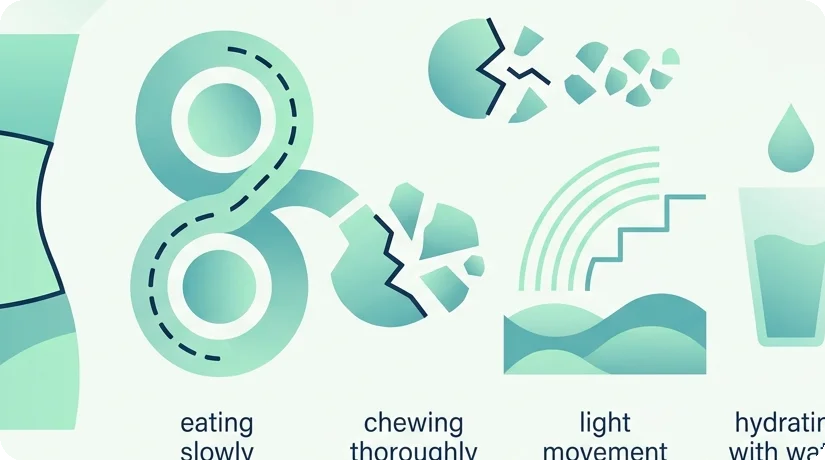
- Eat Slowly and Mindfully: This is perhaps one of the most effective and simplest changes you can make. Take your time with meals, chew your food thoroughly (aim for 20-30 chews per bite), and put your fork down between bites. This gives your digestive system time to process food efficiently and reduces the amount of air you swallow.
- Avoid Overeating: Eating until you're uncomfortably full strains your digestive system. Practice portion control and listen to your body's hunger and fullness cues. Eating smaller, more frequent meals can also help keep your digestive system from becoming overwhelmed.
- Don't Talk While Eating: Talking with your mouth full or engaging in extensive conversation during meals can lead to swallowing excess air, contributing to gas and bloating.
Smart Dietary Choices for a Happier Gut
- Identify and Limit Trigger Foods: Focusing on an anti-bloating diet can provide comprehensive strategies to identify and eliminate trigger foods that contribute to digestive discomfort and gas production. Pay attention to how your body reacts to different foods. Common bloating culprits include beans, lentils, broccoli, cabbage, onions, garlic, dairy, and artificial sweeteners (like sorbitol and xylitol). Keeping a food journal can be incredibly helpful for pinpointing these triggers. AI Weight Coach offers robust food tracking features that can help you log your meals and note how you feel afterward, allowing you to identify patterns and make informed adjustments to your diet.
- Reduce High-FODMAP Foods (If Sensitive): If common trigger foods don't fully explain your bloating, you might consider exploring a low-FODMAP diet under the guidance of a dietitian. This involves temporarily eliminating and then reintroducing certain carbohydrates to identify specific intolerances.
- Limit Carbonated Beverages: The bubbles in sodas, sparkling water, and beer can introduce significant amounts of gas into your digestive system, leading to bloating. Opt for plain water instead, or consider incorporating specific herbal teas for digestion into your routine; they can also aid digestion and soothe an upset stomach, providing natural relief from bloating after meals.
- Stay Adequately Hydrated: Drinking enough water throughout the day is crucial for digestion. It helps move food through your digestive tract and prevents constipation, a common cause of bloating. Aim for at least 8 glasses of water daily.
- Gradually Increase Fiber Intake: While fiber is essential for digestive health, increasing it too quickly can exacerbate bloating. Gradually incorporate both soluble fiber (oats, apples, carrots) and insoluble fiber (whole grains, nuts, seeds) into your diet.
- Consider Probiotics: Probiotics are beneficial bacteria that can help balance your gut microbiome and improve digestion. While not a guaranteed solution for everyone, some individuals find relief from bloating with probiotic supplements or fermented foods like yogurt, kefir, and sauerkraut. Always consult a healthcare provider before starting any new supplement regimen.
Lifestyle Adjustments for Digestive Comfort
- Gentle Movement After Meals: A short, leisurely walk after eating can stimulate digestion and help gas move through your system, reducing the feeling of being bloated.
- Manage Stress: The gut-brain axis is powerful. Stress and anxiety can significantly impact digestive function, often leading to symptoms like bloating. Incorporate stress-reduction techniques into your daily routine, such as meditation, deep breathing exercises, yoga, or spending time in nature.
- Ensure Adequate Sleep: Prioritizing 7-9 hours of quality sleep each night supports overall body function, including a healthy digestive system.
When Should You Be Concerned About Bloating?
While occasional bloating is usually benign, it's important to know when to seek medical advice. Consult a healthcare professional if your bloating is:
- Persistent or Severe: If bloating is constant, significantly painful, or doesn't respond to lifestyle changes.
- Accompanied by Other Symptoms: Especially if you experience unexplained weight loss, changes in bowel habits (diarrhea or constipation), blood in your stool, fever, severe abdominal pain, or recurrent vomiting.
- Interfering with Daily Life: If bloating is consistently disrupting your ability to eat, work, or engage in social activities.
These symptoms could indicate an underlying medical condition that requires professional diagnosis and treatment. Always err on the side of caution when it comes to your health.
Take Control of Your Digestive Comfort
Reducing bloating after eating often involves a holistic approach, combining mindful eating practices, strategic dietary choices, and supportive lifestyle habits. By understanding your body's signals and making gradual, sustainable changes, you can significantly improve your digestive comfort.
Remember, consistency is key. Tools like AI Weight Coach can empower you by helping you track your food intake, monitor symptoms, and discover patterns that lead to personalized strategies for better gut health and overall well-being. Start by implementing one or two changes today, and observe the positive impact on your digestion.
Disclaimer: This article is for informational purposes only and does not constitute medical advice. Always consult a qualified healthcare professional for any health concerns or before making any changes to your diet, exercise, or medical treatment.