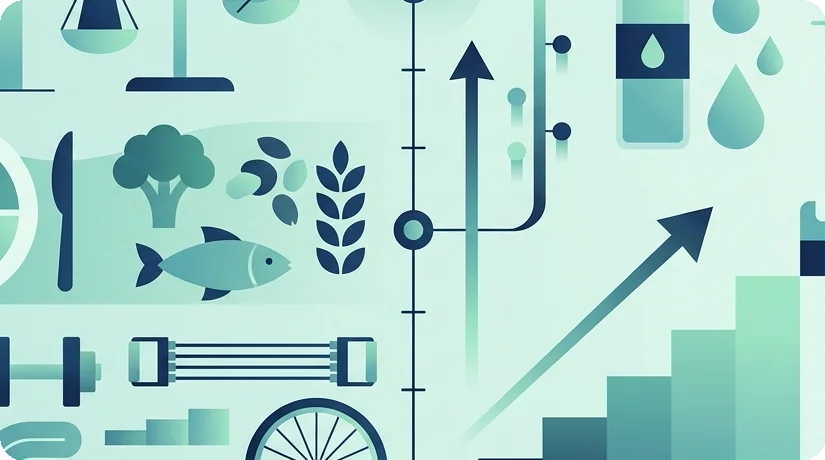
Losing weight at 40 for men often involves acknowledging age-related metabolic shifts and focusing on a holistic approach that combines smart nutrition, regular strength training, consistent cardiovascular activity, adequate sleep, and effective stress management. It's about optimizing lifestyle choices to counteract decreased muscle mass and a potentially slower metabolism, ensuring sustainable results and improved overall health.
Why Is It Harder to Lose Weight After 40 for Men?
As men enter their 40s, several physiological and lifestyle changes can make weight loss more challenging than in their younger years. Understanding these factors is the first step toward effective weight management:
- Metabolic Slowdown: The basal metabolic rate (BMR), the number of calories your body burns at rest, naturally decreases with age. This is often compounded by sarcopenia, the age-related loss of muscle mass, as muscle tissue burns more calories than fat tissue.
- Hormonal Changes: Testosterone levels, which peak in adolescence and early adulthood, begin a gradual decline around age 30. Lower testosterone can contribute to decreased muscle mass, increased body fat (especially around the abdomen), reduced energy, and lower libido, all of which can hinder weight loss efforts.
- Lifestyle Factors: The 40s often bring increased responsibilities, such as demanding careers and family commitments. This can lead to higher stress levels, less time for exercise, erratic eating patterns, and insufficient sleep, all of which impact weight.
- Increased Visceral Fat Tendency: Men over 40 are more prone to accumulating visceral fat, the type of fat stored deep within the abdominal cavity around organs. This type of fat is metabolically active and associated with higher risks of chronic diseases like heart disease and type 2 diabetes, making understanding its risks crucial for long-term health and effective weight management.
What Nutritional Strategies Are Best for Men Over 40?
Nutrition plays a pivotal role in weight loss at any age, but for men over 40, adopting a diet focused on metabolic health can help counteract age-related metabolic slowdown, improve overall energy levels, and make weight loss more achievable.
- Prioritize Protein: Aim for adequate protein intake (e.g., 0.7-1 gram per pound of body weight for active individuals) to help preserve muscle mass, increase satiety, and boost the thermic effect of food. Include lean meats, poultry, fish, eggs, dairy, legumes, and plant-based protein sources in every meal.
- Focus on Fiber-Rich Foods: Incorporate plenty of vegetables, fruits, whole grains, and legumes. Fiber promotes feelings of fullness, aids digestion, and helps regulate blood sugar levels, preventing energy crashes and cravings.
- Choose Healthy Fats: Don't shy away from healthy fats found in avocados, nuts, seeds, olive oil, and fatty fish. These are crucial for hormone production, nutrient absorption, and satiety.
- Control Portion Sizes and Calorie Intake: While quality of food is key, quantity still matters. Understanding your daily calorie needs and creating a moderate deficit (e.g., 300-500 calories below maintenance) is essential for weight loss. Tools like AI Weight Coach can simplify calorie and macro tracking, helping you stay on target without feeling deprived.
- Limit Processed Foods, Sugars, and Alcohol: These items often provide empty calories, contribute to inflammation, and can disrupt hormone balance. Reducing their intake can significantly improve your results.
How Can Exercise Support Weight Loss and Health for Men Over 40?
Exercise is non-negotiable for men seeking to lose weight and improve health in their 40s, with a strong emphasis on resistance training.
Strength Training is Crucial
Resistance training helps counteract sarcopenia, builds muscle mass, and boosts your metabolism. For men over 40, regular strength training is critical to counteract age-related muscle loss and boost a potentially slower metabolism, helping to burn more calories even at rest. Aim for 2-3 full-body strength training sessions per week, focusing on compound movements that work multiple muscle groups:
- Compound Exercises: Squats, deadlifts, bench presses, overhead presses, rows, and lunges are highly effective.
- Progressive Overload: Gradually increase the weight, reps, or sets over time to continually challenge your muscles.
- Consistency: Regularity is more important than intensity when starting. Form over heavy weight should be your priority to prevent injury.
Cardiovascular Exercise
While strength training is paramount, cardiovascular exercise complements it by improving heart health, burning calories, and enhancing endurance. Incorporating consistent cardiovascular activity, such as running, into a weekly routine can significantly boost calorie expenditure and improve heart health, crucial for men over 40 looking to lose weight. Aim for at least 150-300 minutes of moderate-intensity cardio per week (e.g., brisk walking, jogging, cycling, swimming) or 75-150 minutes of vigorous-intensity cardio.
Flexibility and Mobility
Incorporate stretching or yoga to maintain flexibility, improve range of motion, and reduce the risk of injury, which becomes increasingly important with age.
What Role Do Sleep and Stress Play in Weight Management?
Often overlooked, sleep and stress management are critical components of successful weight loss.
- Sleep Deprivation: Insufficient sleep (less than 7-9 hours per night) disrupts hormones that regulate appetite (ghrelin and leptin), leading to increased hunger and cravings for unhealthy foods. It also elevates cortisol, a stress hormone linked to belly fat storage.
- Chronic Stress: Persistent stress keeps cortisol levels high, promoting fat storage, particularly in the abdominal area. Stress can also lead to emotional eating and reduced motivation for healthy habits.
Prioritize 7-9 hours of quality sleep each night. Implement stress-reduction techniques such as mindfulness meditation, deep breathing exercises, spending time in nature, or engaging in hobbies you enjoy.
What Mindset Shifts Are Necessary for Sustainable Weight Loss?
Achieving and maintaining weight loss after 40 requires more than just diet and exercise; it demands a shift in perspective.
- Patience and Consistency: Sustainable weight loss is a marathon, not a sprint. Celebrate small victories and understand that progress isn't always linear. Consistency in your habits will yield results over time.
- Focus on Health, Not Just the Scale: Shift your focus from solely the number on the scale to broader health markers like increased energy, improved strength, better sleep, and reduced risk of chronic diseases. These non-scale victories can be incredibly motivating.
- Set Realistic Goals: Aim for gradual, sustainable weight loss (e.g., 1-2 pounds per week). Unrealistic goals can lead to frustration and burnout.
- Seek Support and Accountability: Don't go it alone. Share your goals with a supportive partner or friend, or consider using a structured program. Apps like AI Weight Coach provide personalized guidance, tracking tools, and accountability to help you navigate your weight loss journey effectively.
- Embrace Lifestyle Changes: View your efforts not as a temporary diet but as permanent lifestyle adjustments. This long-term perspective fosters habits that stick.
Disclaimer: This article provides general information and is not a substitute for professional medical advice. Always consult with a qualified healthcare provider or registered dietitian before making significant changes to your diet, exercise routine, or health regimen, especially if you have pre-existing health conditions.