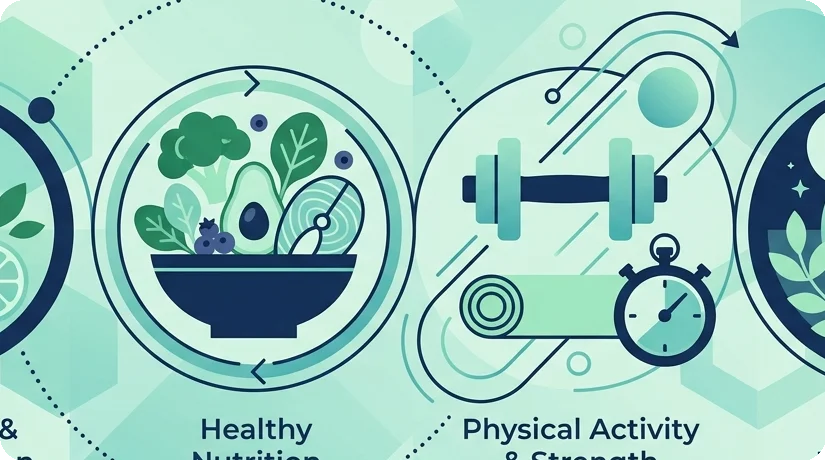
Losing belly fat for women involves a comprehensive strategy that prioritizes sustainable lifestyle changes rather than quick fixes. It's not about spot reduction, but rather a holistic approach combining a consistent calorie deficit, increased physical activity including strength training and cardiovascular exercise, effective stress management, and adequate sleep. Focusing on these pillars helps reduce overall body fat, including stubborn abdominal fat, leading to improved health and well-being.
Why is Belly Fat a Unique Concern for Women?
While excess fat anywhere on the body can impact health, abdominal fat, particularly visceral fat, poses significant risks. For women, several factors contribute to its accumulation:
- Hormonal Shifts: Estrogen levels fluctuate throughout a woman's life, especially during perimenopause and menopause. A decline in estrogen often leads to a redistribution of fat from the hips and thighs to the abdominal area.
- Visceral Fat vs. Subcutaneous Fat: Belly fat comes in two main types. Subcutaneous fat lies just under the skin and is visible. Understanding the difference between subcutaneous and visceral fat is crucial for women, as higher levels of metabolically active visceral fat surrounding internal organs are linked to increased health risks. Women tend to accumulate more visceral fat, especially post-menopause.
- Stress and Cortisol: Women are often predisposed to higher stress levels due to societal and biological factors. Chronic stress elevates cortisol, a hormone that promotes fat storage around the abdomen.
- Health Risks: High levels of visceral fat are linked to an increased risk of heart disease, type 2 diabetes, certain cancers, and metabolic syndrome, making its reduction a crucial health goal for women.
What Role Does Nutrition Play in Reducing Abdominal Fat?
Nutrition is arguably the most critical component in any fat loss journey, including targeting belly fat. A sustainable calorie deficit, achieved through mindful eating and smart food choices, is fundamental.
-
Focus on Whole, Unprocessed Foods
Prioritize nutrient-dense foods that support satiety and overall health:
- Lean Protein: Include sources like chicken breast, fish, eggs, beans, lentils, and tofu. Protein is crucial for muscle preservation, satiety, and has a higher thermic effect, meaning your body burns more calories digesting it.
- High Fiber Foods: Vegetables, fruits, whole grains (oats, quinoa, brown rice), and legumes are rich in fiber. Fiber promotes digestive health, helps you feel full longer, and stabilizes blood sugar, reducing cravings.
- Healthy Fats: Incorporate monounsaturated and polyunsaturated fats from avocados, nuts, seeds, and olive oil. These are essential for hormone production and nutrient absorption, and they contribute to satiety.
-
Limit Refined Carbs and Sugary Drinks
Foods high in refined sugars and carbohydrates (white bread, pastries, sodas, processed snacks) spike blood sugar and can contribute to increased fat storage, particularly in the abdominal region. Opt for complex carbohydrates and naturally sweet options.
-
Stay Hydrated
Drinking plenty of water supports metabolism, aids digestion, and can help differentiate between hunger and thirst signals. Sometimes, what feels like hunger is actually dehydration.
-
Practice Portion Control and Mindful Eating
Even healthy foods can lead to weight gain if consumed in excess. Pay attention to portion sizes and eat slowly, savoring your food, and listening to your body's hunger and fullness cues. Tools like AI Weight Coach can be incredibly helpful here, allowing you to track your intake, understand your calorie and macro needs, and make informed choices to achieve a sustainable calorie deficit without feeling deprived.
How Can Exercise Help Women Lose Belly Fat?
While diet is key for fat loss, exercise plays a vital role in sculpting your body, boosting metabolism, and improving overall health. No single exercise can "spot reduce" belly fat, but a combination of strength training and cardio is highly effective.
-
Embrace Strength Training
Incorporating strength training workouts is essential for women aiming to lose belly fat, as building muscle mass boosts metabolism and aids in sustainable fat loss. Muscle tissue is more metabolically active than fat tissue, meaning it burns more calories at rest. Incorporate full-body strength training 2-3 times per week, focusing on compound movements like squats, deadlifts, presses, and rows. This not only builds strength but also helps create a more favorable body composition.
-
Prioritize Cardiovascular Exercise
Regular cardio helps burn calories, improve heart health, and reduce overall body fat. Aim for at least 150 minutes of moderate-intensity cardio or 75 minutes of vigorous-intensity cardio per week. This could include brisk walking, jogging, cycling, swimming, or dancing. High-intensity interval training (HIIT) can also be effective for calorie burn and metabolic boost.
-
Incorporate Core-Strengthening Exercises
While crunches won't directly burn belly fat, exercises that strengthen your core muscles (planks, bicycle crunches, leg raises) improve posture, stabilize your spine, and contribute to a more toned appearance once fat is lost. Focus on functional core strength rather than just aesthetics.
Are Hormones and Stress Major Factors in Belly Fat Accumulation?
Absolutely. Hormonal imbalances and chronic stress are significant contributors to belly fat, particularly in women. Addressing these often-overlooked factors is essential for success.
-
Manage Stress Effectively
It's crucial to debunk common misconceptions like The Myth That Stress Doesn't Affect Weight Loss, as chronic stress significantly elevates cortisol, directly contributing to stubborn abdominal fat. When you're stressed, your body releases cortisol, which can lead to increased appetite and preferential storage of fat around the midsection. Incorporate stress-reducing activities into your daily routine: meditation, yoga, deep breathing exercises, spending time in nature, or engaging in hobbies you enjoy.
-
Prioritize Quality Sleep
Lack of sleep disrupts hormones that regulate appetite (ghrelin and leptin) and can increase cortisol levels. Aim for 7-9 hours of quality sleep per night. Establish a consistent sleep schedule and create a relaxing bedtime routine.
-
Understand Menopause's Impact
As mentioned, declining estrogen during menopause contributes to fat redistribution. While you can't stop hormonal changes, a proactive approach to diet, exercise, and stress management becomes even more critical during this life stage. Tailoring your nutrition with specific diets for menopause can help counteract hormonal shifts that often lead to increased abdominal fat accumulation in women. Consult with a healthcare provider to discuss strategies for managing menopausal symptoms and maintaining metabolic health.
What Lifestyle Changes Support Long-Term Belly Fat Loss?
Sustainable belly fat loss isn't about short-term deprivation; it's about adopting healthy habits that you can maintain indefinitely. Consistency and patience are key.
-
Set Realistic Goals
Focus on gradual, steady progress. Aim for a healthy rate of weight loss (typically 1-2 pounds per week) rather than drastic changes. Celebrate small victories along the way.
-
Seek Support and Accountability
Having a support system, whether it's friends, family, or a community, can make a huge difference. An app like AI Weight Coach can provide personalized coaching, track your progress, and help you build consistent habits, offering accountability and guidance on your journey.
-
Be Patient and Consistent
Losing belly fat takes time and consistent effort. There will be plateaus and setbacks, but staying committed to your healthy habits will yield results over time. Focus on the process and the health benefits, not just the scale.
-
Consider Professional Guidance
If you're struggling to make progress or have underlying health concerns, consult a healthcare provider, registered dietitian, or a certified personal trainer. They can offer personalized advice and rule out any medical conditions that might be hindering your efforts.
Disclaimer: This article provides general information and is not a substitute for professional medical advice. Always consult with a qualified healthcare provider before making any significant changes to your diet, exercise routine, or health regimen, especially if you have pre-existing medical conditions.