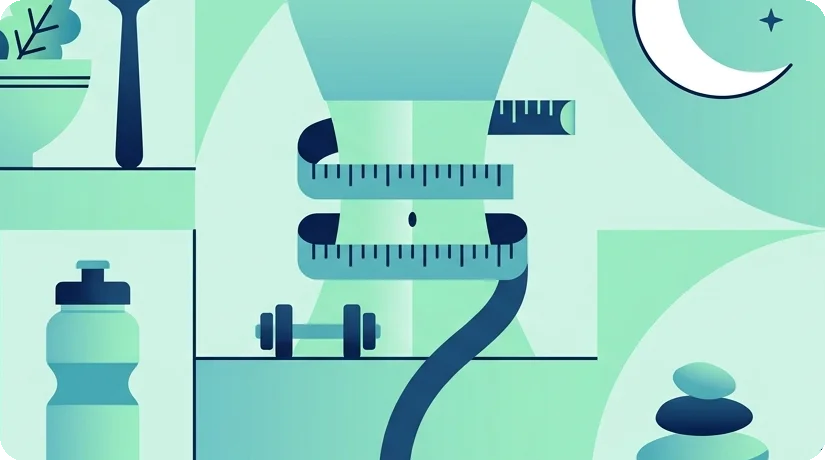
Many people dream of a flatter stomach, and the idea of achieving it in just two weeks is certainly appealing. While a dramatic transformation involving significant fat loss is generally not achievable in such a short timeframe, you can absolutely make noticeable improvements in how your stomach looks and feels within 14 days. The key lies in strategic adjustments to your diet, hydration, exercise, and lifestyle that primarily target bloating and water retention, rather than substantial fat reduction. This post will guide you through practical, evidence-based steps to help you on your journey towards a flatter-feeling stomach.
Is It Really Possible to Get a Flat Stomach in Just 2 Weeks?
Let's set realistic expectations upfront. True fat loss, particularly from specific areas like the stomach, requires a consistent calorie deficit over a longer period. It's crucial to understand that spot reduction, the idea of losing fat from one specific body part like the stomach, is a common myth. Therefore, while you won't magically shed a significant amount of belly fat in 14 days, you can absolutely achieve a flatter-looking and feeling stomach by:
- Reducing Bloating: This is often the biggest culprit for a protruding belly, and it can be addressed relatively quickly through dietary changes.
- Minimizing water retention: Influenced by factors like sodium intake, hydration levels, and hormonal factors, is key to achieving a flatter-looking and feeling stomach quickly.
- Improving Digestion: A healthy gut means less gas and discomfort.
- Core Strengthening Exercises: While not directly burning fat, strengthening your core muscles can improve posture, making your stomach appear tighter and more toned.
Focusing on these aspects will give you the most visible results in a short period, setting a positive foundation for long-term success.
What Dietary Changes Can Help Reduce Bloating and Improve Digestion Quickly?
Your diet plays a paramount role in how your stomach looks and feels. Strategic adjustments to your diet, focusing on anti-bloating principles, can significantly reduce discomfort and contribute to a flatter-feeling stomach in two weeks. To target bloating and promote better digestion in two weeks, consider these adjustments:
- Reduce Sodium Intake: High sodium consumption leads to water retention, which can make your stomach feel puffy. Limit processed foods, canned soups, frozen meals, and restaurant food, which are often high in sodium. Focus on fresh, whole ingredients.
- Increase Soluble Fiber Gradually: Found in foods like oats, apples, beans, and carrots, soluble fiber helps regulate digestion. However, increasing fiber too quickly can cause gas and bloating, so introduce it gradually and ensure adequate hydration.
- Limit Gas-Producing Foods: Some healthy foods can cause gas in certain individuals. Common culprits include cruciferous vegetables (broccoli, cabbage), beans, lentils, and carbonated drinks. You don't have to eliminate them entirely, but be mindful of portion sizes and preparation methods.
- Stay Hydrated: It might seem counterintuitive, but drinking enough water actually helps flush out excess sodium and reduces water retention. Aim for at least 8 glasses of water daily. Herbal teas can also be beneficial.
- Avoid Sugary Drinks and Artificial Sweeteners: Sodas, fruit juices with added sugar, and diet drinks often contribute to bloating and inflammation. Artificial sweeteners, especially sugar alcohols, can also cause digestive distress.
- Practice Mindful Eating: Eating too quickly can lead to swallowing air, causing gas and bloating. Slow down, chew your food thoroughly, and pay attention to your body's hunger and fullness cues.
- Limit Dairy and Gluten (If Sensitive): If you suspect you have sensitivities to dairy or gluten, temporarily reducing or eliminating them for two weeks can reveal if they are contributing to your bloating. Always consult a healthcare professional before making drastic dietary changes.
Using a tool like AI Weight Coach can be incredibly helpful here. Its meal planning features can assist you in identifying bloat-triggering foods and finding delicious, gut-friendly alternatives, making it easier to stick to your goals.
What Exercises Target the Abdominal Area and Support Overall Fat Loss?
While exercise won't spot-reduce belly fat, it's crucial for strengthening core muscles, improving posture, and contributing to overall calorie expenditure, which is essential for long-term fat loss.
For Core Strength & Posture:
- Planks: Engage your entire core, back, and shoulders. Hold for 30-60 seconds, repeating 3-5 times.
- Crunches & Reverse Crunches: Focus on controlled movements to engage the rectus abdominis.
- Russian Twists: Targets the obliques. Use a light weight for added challenge, keeping your back straight.
- Bicycle Crunches: Excellent for engaging both the rectus abdominis and obliques.
For Overall Fat Burning:
To reduce overall body fat, including belly fat, incorporate a mix of cardiovascular exercise and strength training:
- High-Intensity Interval Training (HIIT): Short bursts of intense exercise followed by brief recovery periods can be very effective for burning calories and improving metabolism. Examples include sprinting, burpees, and jumping jacks.
- Cardio (Moderate Intensity): Activities like brisk walking, jogging, cycling, or swimming for 30-60 minutes most days of the week.
- Strength Training: Compound exercises like squats, deadlifts, lunges, and push-ups work multiple muscle groups, burning more calories and building muscle, which boosts your metabolism.
Aim for at least 30 minutes of moderate-intensity exercise most days, and incorporate core-specific exercises 3-4 times a week.
How Does Hydration Impact Stomach Flatness and Overall Health?
Proper hydration is a cornerstone of overall health and plays a surprising role in achieving a flatter stomach. Many people mistakenly believe that drinking less water will reduce water retention, but the opposite is true. When your body is dehydrated, it tends to hold onto water as a survival mechanism, leading to puffiness and bloating.
Consistent water intake helps:
- Flush out Excess Sodium: By maintaining electrolyte balance, adequate water prevents your body from holding onto unnecessary sodium.
- Aid Digestion: Water helps break down food and move it through the digestive tract, preventing constipation and associated bloating.
- Boost Metabolism: Staying hydrated can support metabolic functions, which are vital for calorie burning.
- Promote Satiety: Drinking water before meals can help you feel fuller, potentially reducing overall calorie intake.
Carry a reusable water bottle and sip throughout the day. If plain water feels boring, infuse it with fruits like lemon, cucumber, or berries.
What Role Does Sleep and Stress Play in Belly Fat Accumulation?
Beyond diet and exercise, lifestyle factors like sleep and stress are significant contributors to belly fat, particularly stubborn visceral fat around the organs.
- Lack of Sleep: Insufficient sleep (less than 7-9 hours per night) disrupts hormones that regulate appetite (ghrelin and leptin) and increases cortisol levels. This can lead to increased cravings for high-calorie foods, greater fat storage around the abdomen, and reduced metabolism. Prioritizing consistent, quality sleep is crucial.
- Chronic Stress: When you're stressed, your body releases cortisol, the "stress hormone." Chronically elevated cortisol levels signal your body to store fat, especially in the abdominal region. Finding healthy ways to manage stress, such as meditation, deep breathing exercises, yoga, spending time in nature, or engaging in hobbies, can significantly impact your midsection.
Addressing these often-overlooked aspects of your health can provide profound benefits, not just for a flatter stomach but for your overall well-being.
Can AI Weight Coach Help Me on My Journey to a Flatter Stomach?
Absolutely! AI Weight Coach is designed to provide personalized support and tools to help you achieve your weight loss and body composition goals in a sustainable way. While a flat stomach in two weeks requires a highly focused effort, the app can be an invaluable partner:
- Personalized Meal Planning: Get tailored meal plans that are low in bloating foods and balanced in nutrients, helping you make smarter dietary choices effortlessly.
- Macro Tracking: Monitor your food intake to ensure you're in a healthy calorie range and getting the right balance of macronutrients, which can help manage hunger and energy.
- Exercise Guidance: Access a library of exercises and workout routines that can strengthen your core and contribute to overall fat loss.
- Behavioral Psychology: Learn strategies to manage stress, improve sleep, and build consistent healthy habits that are crucial for long-term success beyond the initial two weeks.
- Progress Tracking: Visualize your progress, stay motivated, and make data-driven adjustments to your plan.
By leveraging AI Weight Coach, you gain a powerful ally that helps you implement the strategies discussed here, turning good intentions into lasting results.
What Are Realistic Expectations for Long-Term Stomach Flattening?
While the initial two weeks can bring encouraging changes through reduced bloating and improved habits, it's vital to remember that true, sustainable stomach flattening through fat loss is a marathon, not a sprint. Factors like genetics, age, and hormones all play a role in how your body stores fat. Consistency is key.
Continue to focus on a balanced diet rich in whole foods, regular exercise combining strength and cardio, adequate hydration, sufficient sleep, and stress management. Celebrate small victories and understand that your body's journey is unique. Long-term success comes from adopting a holistic, healthy lifestyle that you can maintain.
Disclaimer: The information provided in this blog post is for educational and informational purposes only, and does not constitute medical advice. Always consult with a qualified healthcare professional or registered dietitian before making any significant changes to your diet, exercise routine, or lifestyle, especially if you have underlying health conditions.