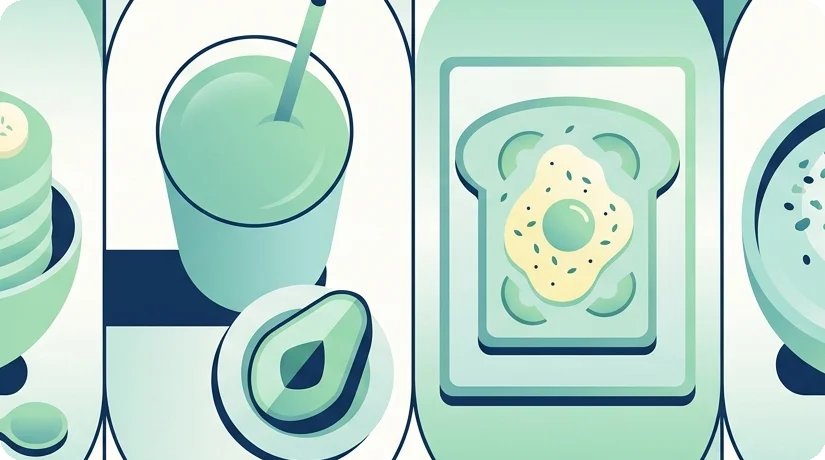
A healthy breakfast is fundamental for toddlers, providing the essential energy and nutrients they need for rapid growth, active play, and cognitive development. Nutrient-dense options like whole-grain pancakes with fruit, oatmeal with berries and finely ground seeds, scrambled eggs with finely diced vegetables, and full-fat plain yogurt with soft fruit are excellent choices to start their day right, laying the groundwork for sustained energy and healthy habits. For even more variety and detailed instructions, parents can explore a range of easy and healthy breakfast recipes specifically designed for kids. While a healthy breakfast is a cornerstone, fostering comprehensive healthy eating habits for children is key to their long-term well-being and development, influencing their entire dietary pattern.
Toddlers are in a critical period of development, making every meal an opportunity to fuel their bodies and minds. Breakfast, in particular, sets the tone for the day, influencing their energy levels, mood, and ability to learn and explore. As an expert health and nutrition SEO writer for AI Weight Coach, we understand the profound importance of balanced nutrition for all ages, and guiding parents through healthy choices for their little ones is a top priority.
Why is a Healthy Breakfast So Important for Toddlers?
For toddlers, breakfast is far more than just "the first meal of the day." It's a foundational pillar for their overall well-being and development. Their small bodies and rapidly developing brains require a constant supply of energy and a wide array of nutrients to support their incredible growth spurts, relentless curiosity, and endless capacity for learning and play.
- Sustained Energy for Play and Learning: Toddlers are naturally incredibly energetic, constantly moving, exploring, and engaging with their environment. A breakfast rich in complex carbohydrates, healthy fats, and protein provides a steady, sustained release of energy throughout the morning. This crucial fuel helps prevent the common mid-morning slumps that can lead to increased fussiness, irritability, or difficulty concentrating on play and learning activities.
- Essential Nutrients for Rapid Growth: This developmental stage is characterized by astonishing physical growth and significant brain development. A well-balanced breakfast ensures toddlers receive vital vitamins, essential minerals (such as iron for cognitive development and blood health, and calcium for strong bones and teeth), and macronutrients crucial for building and repairing tissues, supporting bone development, enhancing muscle growth, and optimizing cognitive function.
- Improved Concentration and Mood Regulation: Just like adults, toddlers can experience a significant dip in blood sugar if they skip breakfast or consume only sugary, nutrient-poor options. This can manifest as increased "hanger," irritability, and difficulty focusing. A balanced breakfast helps to stabilize blood sugar levels, leading to better mood regulation, enhanced attention span, and a more cooperative and happier demeanor throughout their morning activities.
- Establishing Positive Eating Habits: Offering a variety of nutritious foods at breakfast from an early age helps introduce toddlers to diverse tastes, textures, and food groups. This exposure is vital for fostering a positive and adventurous relationship with food, expanding their palate, and reducing pickiness in the long run. It's an excellent opportunity for parents to model healthy eating habits that can positively influence their child's dietary choices for life.
- Support for a Healthy Metabolism: Starting the day with a nourishing meal kickstarts a toddler's metabolism, setting the stage for efficient energy utilization throughout the day. This is a fundamental aspect of promoting healthy growth and maintaining a healthy weight as they grow.
What Makes a Breakfast "Healthy" for a Toddler?
When planning a toddler's breakfast, it's not simply about providing food, but consciously selecting options that offer maximum nutritional value, appropriate portion sizes, and crucially, minimize choking hazards. A truly healthy breakfast for a toddler should embody these key characteristics:
- Nutrient-Dense Choices: Prioritize whole, unprocessed foods that pack a significant amount of nutrition into relatively small servings. Focus on ingredients like whole grains, lean proteins, a wide variety of colorful fruits, and finely chopped or pureed vegetables. These foods provide a wealth of vitamins, minerals, and antioxidants essential for growth.
- Balanced Macronutrients: Aim for a strategic combination of complex carbohydrates, lean protein, and healthy fats. Complex carbohydrates (from whole grains, fruits, and certain vegetables) provide the primary source of sustained energy. Protein (from eggs, yogurt, dairy, or plant-based alternatives) is vital for growth and helps toddlers feel full and satisfied. Healthy fats (from avocado, finely ground seeds, or full-fat dairy) are essential for brain development, hormone production, and the absorption of fat-soluble vitamins.
- Rich in Dietary Fiber: Fiber, found abundantly in whole grains, fruits with their skins (where appropriate and safe), and vegetables, is crucial for digestive health. It helps regulate bowel movements, preventing common toddler issues like constipation, and contributes to satiety.
- Low in Added Sugars: Many commercial toddler foods, breakfast cereals, and flavored yogurts can be surprisingly high in added sugars. These provide empty calories, contribute to sugar crashes, and can negatively impact dental health. Opt for unsweetened options whenever possible and rely on natural sweetness from fresh or frozen fruits.
- Appropriate Texture and Size for Safety: This is a paramount consideration. Foods must be carefully prepared to minimize choking hazards. This involves cutting all foods into small, bite-sized pieces (no larger than a chickpea), mashing, or pureeing as needed. Avoid giving toddlers whole grapes, nuts, large chunks of meat, or sticky candies.
Always remember that toddlers have smaller stomachs but incredibly high energy and nutrient needs due to their rapid development. Therefore, offering frequent, smaller meals and, to maintain sustained energy between meals, supplementing a nutritious breakfast with healthy snacks for toddlers throughout the day is often more effective than trying to get them to eat three large meals.
Easy & Nutritious Breakfast Ideas for Busy Mornings
Whipping up a healthy breakfast doesn't have to be a complicated or time-consuming affair, even on the busiest of mornings. Here are some practical, toddler-friendly ideas that are packed with the nutrition your little one needs:
Grain-Based Goodness
- Whole-Grain Oatmeal or Porridge:
Prepare with milk (dairy or fortified plant-based such as almond or soy milk) or water. Stir in a teaspoon of finely ground flaxseeds or chia seeds for an extra boost of omega-3 fatty acids and fiber. Top with soft, diced fruits like ripe banana, cooked and mashed apple, or mashed berries. Avoid adding refined sugar; the fruit provides plenty of natural sweetness. This can often be prepared in advance and reheated gently.
Choking Hazard Alert: Ensure oats are thoroughly cooked to a soft consistency and not too thick or gloopy. Any seeds must be very finely ground.
- Whole-Grain Toast with Healthy Toppings:
Choose 100% whole-wheat bread for its fiber content. Top with thin smears of various healthy options:
- Mashed Avocado: A source of healthy fats and potassium.
- Thin Layer of Unsweetened Nut Butter: (e.g., peanut, almond butter). Always check for potential allergens and ensure it's spread very thinly to prevent it from sticking to the roof of the mouth, which can be a choking hazard.
- Low-Sugar Fruit Spread or Mashed Berries: Choose spreads with minimal added sugar.
- Cottage Cheese and Finely Diced Cucumber: A savory option providing protein and hydration.
Choking Hazard Alert: Cut toast into small, manageable strips or bite-sized squares. Ensure nut butter is spread thinly.
- Mini Whole-Grain Pancakes or Waffles:
These are excellent for meal prep! Make a batch over the weekend and freeze individual portions. Reheat quickly in the toaster or microwave. Serve with a dollop of plain full-fat yogurt and soft berries (always sliced into quarters) or mashed fruit. Look for recipes that use whole wheat flour and minimal or no added sugar, relying on fruit for sweetness.
Choking Hazard Alert: Always cut pancakes or waffles into small, easily chewable, bite-sized pieces.
Protein Powerhouses
- Scrambled Eggs with Finely Diced Veggies:
Eggs are a fantastic, easily digestible source of high-quality protein, essential amino acids, and choline, which is vital for brain development. Scramble with a tiny splash of milk and incorporate very finely diced, well-cooked vegetables like spinach, grated carrots, or bell peppers. Serve alongside a few pieces of soft, cut-up fruit for a complete meal.
Choking Hazard Alert: Ensure all vegetables are cooked until very soft and diced extremely finely.
- Full-Fat Plain Yogurt with Fruit:
Plain, full-fat yogurt provides crucial calcium for bone development and beneficial probiotics for gut health, all without the unnecessary added sugars found in flavored yogurts. Stir in mashed or finely diced soft fruits such as peaches, berries (quartered lengthwise), kiwi, or mango. A tiny sprinkle of finely ground cinnamon can add a delightful flavor without sugar.
Choking Hazard Alert: Always cut round fruits like grapes and blueberries into quarters lengthwise to prevent choking.
- Cottage Cheese with Fruit or Veggies:
Similar to yogurt, cottage cheese is an excellent source of protein and calcium. Offer it plain with finely diced, soft fruit, or mix in a tiny amount of mashed avocado or very finely grated cucumber or carrot. The soft texture is generally well-tolerated by toddlers.
Fruity & Veggie Delights
- Nutrient-Packed Toddler Smoothies:
Smoothies are a brilliant way to pack multiple food groups into one easy-to-consume meal. Blend full-fat milk or plain yogurt with a handful of spinach (which often goes undetected by picky eaters!), half a ripe banana, and some mixed berries. For an extra boost, you can add a tablespoon of finely ground oats. This is a quick and versatile way to deliver essential nutrients.
Choking Hazard Alert: Ensure the smoothie is not overly thick, which can be difficult for toddlers to swallow. Use an age-appropriate cup or a wide, short straw if desired.
- Colorful Fruit Salad:
A simple yet vibrant bowl of soft, safely cut-up fruits like melon cubes, berries (always quartered), sliced banana, and cooked pear or apple chunks. This offers a wide array of vitamins, minerals, and natural sweetness.
Choking Hazard Alert: Reinforcing again – remember to quarter all grapes and cherry tomatoes lengthwise. Carefully remove any seeds from fruits.
- Savory Vegetable Fritters or Muffins:
Prepare small, toddler-sized fritters or muffins using grated zucchini, carrots, or sweet potato mixed with an egg, a little whole-wheat flour, and a touch of cheese. Bake or lightly pan-fry until they are soft and easily chewable. These can be made in advance and served warm or at room temperature.
Tips for Toddler Breakfast Success
Beyond the specific food ideas, implementing certain strategies can significantly help in making breakfast a positive, nutritious, and stress-free experience for your toddler and for you:
- Offer Variety Consistently: Rotate through different food options throughout the week. This not only ensures a broader spectrum of nutrients but also keeps your toddler engaged and interested in trying new things, which is crucial for developing an adventurous palate and reducing pickiness. Beyond individual meal ideas, establishing a routine with weekly breakfast meal plans can greatly simplify mornings and ensure consistent nutrient intake for your toddler.
- Involve Them in Preparation: Even very young toddlers can help with simple, age-appropriate tasks like washing soft fruits, stirring ingredients in a bowl (with close supervision), or choosing which fruit they'd like in their yogurt. This fosters a sense of independence and ownership, often making them more likely to eat what they helped prepare.
- Lead by Example: Toddlers are master imitators. Sit down and eat your own healthy breakfast with them. Show genuine enthusiasm for nutritious foods and demonstrate healthy eating habits. Your actions speak louder than any words or encouragement.
- Avoid Mealtime Pressure: Toddlers have fluctuating appetites, which is completely normal. Avoid pressuring them to "clean their plate," bribing them with treats, or making mealtimes a battleground. Offer healthy options and let them decide how much to eat. Trust their innate ability to regulate their hunger and satiety.
- Mind Portion Sizes: Toddler portions are considerably smaller than adult portions. Start with very small amounts on their plate to avoid overwhelming them. You can always offer more if they seem hungry. Too much food can be intimidating and lead to waste.
- Diligently Address Choking Hazards: This guideline cannot be overstressed. Always supervise your toddler while they are eating. Every single bite of food should be considered for its texture and shape. Cut all round, firm foods (such as whole grapes, cherry tomatoes, hot dogs, nuts, and large berries) into quarters lengthwise. Slice meat and cheese into thin, small strips. Completely avoid offering whole nuts, large seeds, popcorn, sticky candies, and large, raw chunks of hard vegetables.
- Prioritize Hydration: Always offer water alongside their breakfast. Avoid sugary juices, which contribute to dental decay, provide empty calories, and can displace more nutritious foods and drinks. Water is the best choice for toddlers.
- Make it Fun and Engaging: Use colorful plates, cut food into fun shapes (e.g., toast cut with cookie cutters), or arrange food in a playful way. A positive mealtime environment can significantly influence a toddler's willingness to eat.
For parents juggling their own health goals with the demands of family life, tools like AI Weight Coach can be invaluable. While primarily designed for adult weight management through principles of balanced nutrition, mindful eating, and sustainable habits, the app's emphasis on sensible meal planning and practical healthy eating strategies can empower parents to make healthier choices for themselves, which naturally extends to creating a more nutritious and well-planned eating environment for their toddlers and the entire family.
Important Disclaimer:
The information provided in this blog post is for general educational purposes only and is not intended as medical advice. It is crucial to always consult with your pediatrician or a qualified healthcare professional regarding your toddler's specific dietary needs, any known or suspected allergies, or any other health concerns. They can provide personalized guidance tailored to your child's individual health profile and developmental stage.