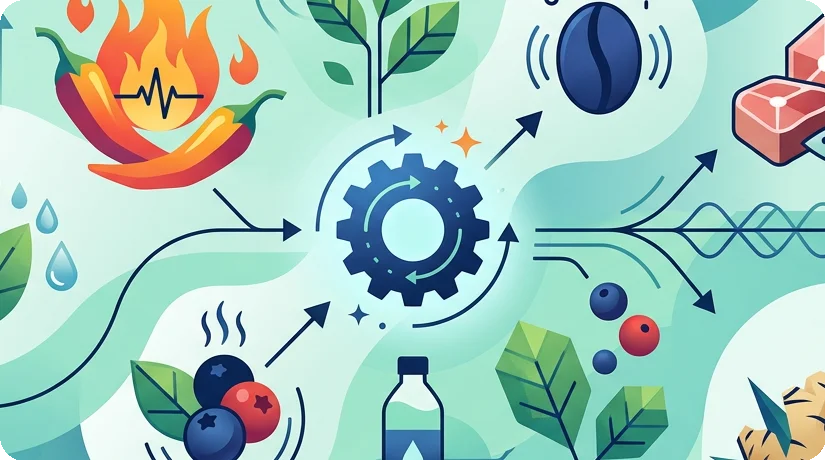
In the quest for effective weight management, the term "metabolism" frequently comes up. Often misunderstood, a healthy metabolism is crucial for overall well-being, influencing everything from energy levels to body composition. While there are no magic foods that will drastically overhaul your metabolic rate overnight, incorporating certain nutrient-dense whole foods into your diet can naturally and subtly support and enhance your body's energy-burning processes. While specific foods can help, adopting comprehensive diets for metabolic health can provide a more holistic approach to sustaining your body's energy-burning processes. These foods primarily work by increasing the energy required for their digestion and absorption, providing essential nutrients, or containing compounds that mildly stimulate metabolic activity.
What is Metabolism, and Why Does it Matter for Weight Loss?
Before diving into specific foods, it’s essential to understand what metabolism is. Simply put, metabolism refers to all the chemical processes that occur continuously inside your body to keep you alive and functioning. Understanding your metabolism also involves recognizing factors like metabolic adaptation, where your body adjusts to calorie restriction, which can impact weight loss efforts. These processes convert the food and drinks you consume into energy. Even when you’re at rest, your body needs energy for all its "hidden" functions, such as breathing, circulating blood, adjusting hormone levels, and growing and repairing cells. The number of calories your body uses to carry out these basic functions is known as your Basal Metabolic Rate (BMR).
However, your metabolism isn't just about your BMR. It also includes the calories burned through physical activity, non-exercise activity thermogenesis (NEAT – everyday movements like fidgeting or standing), and perhaps most relevant to our topic, the Thermic Effect of Food (TEF). TEF is the energy your body uses to digest, absorb, and process the nutrients from the food you eat. Certain foods require more energy to break down, thus slightly increasing your metabolic rate during digestion. A healthy metabolism is vital for weight loss because it directly correlates with how efficiently your body utilizes the calories you consume. A more active metabolism means your body is burning more energy, even at rest, making it easier to manage your weight.
How Can Certain Foods Influence Your Metabolic Rate?
While no single food acts as a "magic pill" to dramatically transform your metabolism overnight, incorporating certain nutrient-dense foods into your diet can provide a gentle, natural boost. This influence primarily comes through a few mechanisms:
- Thermic Effect of Food (TEF): As mentioned, different macronutrients have varying TEFs. Protein has the highest TEF, meaning your body expends more energy to digest and metabolize it compared to carbohydrates or fats. This is one of the key reasons protein is often highlighted in weight management strategies.
- Micronutrient Support: Vitamins and minerals play crucial roles as cofactors and regulators in metabolic pathways. Deficiencies in certain micronutrients can impair metabolic function and efficiency.
- Satiety and Energy Levels: Foods that promote satiety can help manage overall calorie intake, while sustained energy levels can encourage more physical activity, both indirectly supporting metabolic health.
- Specific Compounds: Some foods contain unique compounds (like capsaicin or EGCG) that have been shown in studies to mildly stimulate fat oxidation or energy expenditure.
Which Foods Are Best for a Natural Metabolic Boost?
Here’s a look at specific food categories and ingredients that can naturally support and slightly enhance your metabolism:
Protein-Rich Foods
Protein is king when it comes to the thermic effect of food. Including affordable protein sources in your diet is crucial, as protein has a higher thermic effect than fats or carbohydrates, meaning your body burns more calories digesting it. Your body uses significantly more energy to digest, absorb, and assimilate protein compared to fats or carbohydrates. This means a protein-rich meal will temporarily elevate your metabolism more than a meal of equal calories from other macronutrients. Furthermore, protein is crucial for building and maintaining muscle mass, and muscle tissue burns more calories at rest than fat tissue, contributing to a higher Basal Metabolic Rate.
- Lean Meats: Chicken breast, turkey, lean beef, and pork are excellent sources of protein.
- Fish and Seafood: Salmon, tuna, cod, shrimp, and other seafood provide high-quality protein and often healthy fats (like omega-3s in salmon) that support overall health.
- Eggs: A complete protein, eggs are versatile and pack a metabolic punch, supplying essential amino acids.
- Legumes: Lentils, beans (black beans, kidney beans, chickpeas), and peas are plant-based protein powerhouses, also rich in fiber, which adds to their metabolic benefits.
- Dairy: Greek yogurt, cottage cheese, and milk offer protein and calcium, which may also play a role in fat metabolism and bone health.
Fiber-Rich Whole Grains, Fruits, and Vegetables
While fiber itself isn't digested and thus doesn't contribute calories, it plays a vital role in digestive health and satiety. Foods high in fiber often have a lower glycemic index, leading to more stable blood sugar levels and preventing energy crashes that can lead to unhealthy snacking. The sustained energy from complex carbohydrates (often found with fiber) supports consistent energy expenditure throughout the day. Fiber also feeds beneficial gut bacteria, which are increasingly understood to influence metabolism.
- Whole Grains: Oats, quinoa, brown rice, barley, and whole-wheat bread provide sustained energy and a good source of fiber.
- Fruits: Berries, apples, pears, and citrus fruits are packed with fiber, vitamins, and antioxidants.
- Vegetables: Broccoli, spinach, kale, bell peppers, and other non-starchy vegetables offer high nutrient density with minimal calories, supporting overall health and satiety.
Capsaicin-Containing Foods
The compound capsaicin, found in chili peppers, has been shown to temporarily increase metabolic rate and fat oxidation. It can also slightly reduce appetite, contributing to overall calorie management.
- Chili Peppers: Jalapeños, habaneros, cayenne pepper, and other spicy varieties can add a metabolic kick to your meals.
Green Tea and Coffee
Both green tea and coffee contain compounds known to have mild metabolic-boosting effects.
- Green Tea: Contains catechins, particularly epigallocatechin gallate (EGCG), which, in combination with its caffeine content, may slightly increase fat oxidation and energy expenditure.
- Coffee: Caffeine is a well-known stimulant that can temporarily increase metabolic rate and enhance fat burning by stimulating the central nervous system.
It's important to consume these in moderation, especially if sensitive to caffeine, as excessive intake can lead to adverse effects like jitters, anxiety, or sleep disturbances.
Water
Staying well-hydrated is fundamental for all bodily functions, including metabolism. Research suggests that drinking enough water can temporarily increase resting energy expenditure, a phenomenon sometimes called water-induced thermogenesis. Cold water, in particular, may require your body to expend a small amount of energy to warm it to body temperature, offering a very subtle additional metabolic boost.
Foods Rich in Iron and B Vitamins
Iron is crucial for transporting oxygen in your blood, a process vital for energy production. When iron levels are low, your body's ability to use energy efficiently decreases, affecting metabolism. B vitamins are essential coenzymes in various metabolic pathways that convert food into energy, ensuring that your body can properly utilize macronutrients.
- Iron: Lean red meat, spinach, lentils, fortified cereals, and seafood are good sources.
- B Vitamins: Whole grains, eggs, dairy products, leafy greens, lean meats, and nuts provide a range of B vitamins.
Are There Other Natural Ways to Support a Healthy Metabolism?
While diet plays a significant role, a truly healthy metabolism is supported by a holistic lifestyle. Integrating these practices alongside your dietary choices can amplify your efforts:
- Strength Training: Building muscle mass is perhaps the most effective way to increase your resting metabolic rate (RMR), as muscle tissue burns significantly more calories at rest than fat tissue. Incorporating resistance exercises a few times a week can make a substantial difference.
- Regular Physical Activity: Beyond structured exercise, boosting non-exercise activity (NEAT) throughout your day, through daily movement like walking more, taking the stairs, or doing household chores, can contribute significantly to your overall daily calorie expenditure and metabolic health.
- Adequate Sleep: Chronic sleep deprivation can negatively impact hormones that regulate metabolism and appetite, such as ghrelin (which increases appetite) and leptin (which signals satiety). It can also lead to insulin resistance, further impairing metabolic health. Aim for 7-9 hours of quality sleep per night.
- Stress Management: Chronic stress elevates cortisol levels, which can promote fat storage, particularly around the abdomen, and negatively affect metabolic health by influencing blood sugar regulation and insulin sensitivity. Practicing mindfulness, yoga, or spending time in nature can help manage stress.
- Consistent Eating Patterns: Eating regular, balanced meals helps stabilize blood sugar and ensures your body has a continuous supply of energy to fuel its metabolic processes, preventing metabolic slowdowns that can occur during prolonged fasting or erratic eating.
AI Weight Coach understands that sustainable weight loss and metabolic health involve more than just food choices. Our app helps you track your nutrition, integrate beneficial exercise, and develop healthy habits for holistic well-being. By providing personalized guidance and accountability, AI Weight Coach empowers you to make informed decisions that naturally support your body's metabolic function and overall health.
Key Takeaways for a Naturally Boosted Metabolism
Embracing foods that naturally boost metabolism is about making smarter, more nutrient-dense choices that support your body's fundamental processes. Focus on a diet rich in protein, fiber, and plenty of fruits and vegetables, while ensuring adequate hydration. Remember that these foods offer a subtle enhancement to your metabolism, and the most significant impact comes from a consistent, balanced diet combined with a healthy, active lifestyle. Prioritizing strength training, sufficient sleep, and stress management will create the most robust foundation for a thriving metabolism.
Consistency, patience, and a holistic approach are far more effective than seeking quick fixes. Consult with a healthcare professional or registered dietitian for personalized advice, especially if you have underlying health conditions or specific dietary needs. This blog post is for informational purposes only and does not constitute medical advice.