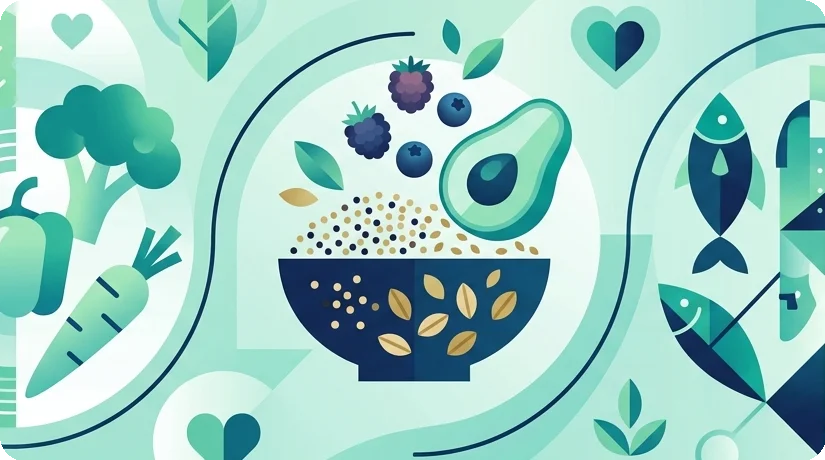
Navigating the vast world of nutrition for weight loss can feel overwhelming, especially for women who often face unique physiological considerations. The good news is that certain foods consistently prove to be powerful allies in a healthy weight loss journey by promoting satiety, providing essential nutrients, and supporting a healthy metabolism. Understanding how different diets for metabolic health can influence energy expenditure and fat storage provides women with a powerful framework for making effective food choices. The best foods for weight loss for women include a variety of lean proteins, fiber-rich fruits and non-starchy vegetables, nutrient-dense whole grains, and healthy fats. These foods work synergistically to keep you feeling full, energized, and satisfied, reducing the likelihood of overeating and supporting sustainable progress.
Why Are Certain Foods More Effective for Weight Loss in Women?
Women's bodies experience different hormonal fluctuations and metabolic rates compared to men, which can influence appetite, fat storage, and energy expenditure. Given that hormonal imbalance and weight gain are often interconnected in women, selecting foods that help regulate hormones can be a key strategy for sustainable weight management. Foods that support satiety, stabilize blood sugar, and provide a high nutrient-to-calorie ratio are particularly beneficial. These foods help manage cravings, prevent energy crashes, and provide the building blocks for lean muscle, which in turn boosts metabolism. By choosing nutrient-dense options, women can ensure they're meeting their micronutrient needs while effectively managing calorie intake.
The Role of Satiety and Nutrient Density
- Satiety: Foods high in protein and fiber keep you feeling fuller for longer, reducing overall calorie consumption throughout the day.
- Nutrient Density: Opting for foods packed with vitamins, minerals, and antioxidants ensures your body gets the necessary nutrients even when consuming fewer calories, preventing deficiencies that can impact energy levels and mood.
- Blood Sugar Regulation: Foods with a low glycemic index prevent rapid spikes and crashes in blood sugar, which helps control hunger and energy levels.
What Are the Best Lean Protein Sources for Women Aiming for Weight Loss?
Protein is a cornerstone of any successful weight loss plan, especially for women. Incorporating adequate protein is crucial, as dietary protein for weight loss has been shown to boost metabolism, increase satiety, and preserve lean muscle mass, all vital factors for women's health. It helps preserve lean muscle mass during calorie restriction, which is vital for maintaining a healthy metabolism. Protein also has a higher thermic effect of food (TEF) compared to fats and carbohydrates, meaning your body burns more calories digesting it. Furthermore, protein is incredibly satiating, helping to curb hunger and reduce overall calorie intake.
Excellent lean protein sources include:
- Chicken Breast and Lean Turkey: Versatile and low in fat, these poultry options are packed with protein.
- Fish (e.g., Salmon, Cod, Tuna): Salmon is not only high in protein but also rich in omega-3 fatty acids, which have anti-inflammatory benefits and can support overall health. Cod and tuna are leaner options.
- Eggs: A complete protein source, eggs are affordable, versatile, and provide essential vitamins and minerals.
- Greek Yogurt: High in protein and often probiotics, Greek yogurt can support gut health and satiety. Opt for plain, unsweetened varieties.
- Legumes (Lentils, Beans, Chickpeas): Excellent plant-based protein sources also rich in fiber, contributing to both satiety and digestive health.
- Tofu and Tempeh: Plant-based options that are complete proteins and can be incorporated into a wide variety of meals.
Which Fiber-Rich Fruits and Vegetables Should Women Prioritize?
Fruits and vegetables are nutrient powerhouses, low in calories, and high in fiber and water content, making them essential for weight loss. Fiber adds bulk to your diet without adding many calories, promoting fullness and aiding digestion. The vitamins and minerals they provide are crucial for bodily functions, energy production, and overall well-being.
Non-Starchy Vegetables:
- Leafy Greens (Spinach, Kale, Romaine): Extremely low in calories but packed with vitamins, minerals, and fiber.
- Broccoli, Cauliflower, Brussels Sprouts: Cruciferous vegetables that offer fiber, vitamins C and K, and potential anti-cancer properties.
- Bell Peppers: Rich in Vitamin C and antioxidants, adding vibrant color and crunch to meals.
- Zucchini and Cucumber: High water content helps with hydration and fullness.
Fiber-Rich Fruits:
- Berries (Strawberries, Blueberries, Raspberries): Low in sugar and high in fiber and antioxidants.
- Apples and Pears: Excellent sources of soluble fiber, which can help regulate blood sugar and cholesterol.
- Oranges and Grapefruit: Hydrating and rich in Vitamin C and fiber.
What Whole Grains Are Beneficial for Weight Management?
While often debated, whole grains can be a valuable part of a weight loss diet for women when chosen wisely and consumed in moderation. Unlike refined grains, whole grains retain all parts of the grain kernel – the bran, germ, and endosperm – providing more fiber, vitamins, and minerals. This fiber helps regulate blood sugar, provides sustained energy, and contributes to satiety.
Beneficial whole grains include:
- Oats: Especially steel-cut or rolled oats, which are rich in soluble fiber (beta-glucan), known for lowering cholesterol and promoting fullness.
- Quinoa: A complete protein and excellent source of fiber, iron, and magnesium.
- Brown Rice: A better alternative to white rice, providing more fiber and nutrients.
- Whole Wheat Bread/Pasta: Look for products clearly labeled as "100% whole wheat" or "whole grain."
How Do Healthy Fats Contribute to a Woman's Weight Loss Journey?
Despite being calorie-dense, healthy fats are crucial for satiety, nutrient absorption, and overall hormonal balance. They slow down digestion, keeping you feeling satisfied and preventing overeating. Healthy fats also play a role in the absorption of fat-soluble vitamins (A, D, E, K) and are essential for various bodily functions.
Include these healthy fat sources in moderation:
- Avocado: Rich in monounsaturated fats, fiber, and potassium, promoting fullness and heart health.
- Nuts and Seeds (Almonds, Walnuts, Chia Seeds, Flax Seeds): Provide healthy fats, protein, and fiber. Portion control is key due to their calorie density.
- Olive Oil: A staple in Mediterranean diets, excellent for cooking and salad dressings.
- Fatty Fish (e.g., Salmon, Mackerel): As mentioned, these are great for omega-3s.
Are There Specific Foods Women Should Limit or Avoid for Weight Loss?
To maximize weight loss efforts, it's equally important to be mindful of foods that can hinder progress. These typically include:
- Sugary Drinks: Sodas, sweetened teas, and fruit juices add empty calories and contribute to blood sugar spikes.
- Processed Foods: Often high in unhealthy fats, added sugars, and sodium, and low in nutrients.
- Refined Grains: White bread, pastries, and white pasta offer little fiber and can lead to quick energy crashes and increased hunger.
- Excessive Unhealthy Fats: Trans fats (found in many processed foods) and excessive saturated fats should be limited.
How Can AI Weight Coach Help Women Incorporate These Foods Into Their Diet?
Making sustainable dietary changes requires planning and consistent effort. AI Weight Coach is designed to simplify this process, helping women integrate these beneficial foods into their daily routines. Beyond simply knowing which foods are beneficial, having a collection of healthy weight loss recipes makes incorporating these nutrient-dense options into daily meals both practical and enjoyable. Our app offers personalized meal plans and recipe suggestions that prioritize lean proteins, fiber-rich produce, whole grains, and healthy fats, tailored to your calorie goals and dietary preferences. With AI Weight Coach, you can easily track your food intake, discover new healthy recipes, and get actionable insights to optimize your nutrition for effective and sustainable weight loss.
Focusing on these nutrient-dense foods not only supports weight loss but also contributes to overall health, energy, and vitality. Consistency and a balanced approach are key to achieving and maintaining your desired weight.
Disclaimer: This article provides general health and nutrition information and is not intended to be medical advice. Always consult with a qualified healthcare professional or registered dietitian before making significant changes to your diet or lifestyle, especially if you have underlying health conditions or are taking medications.